2 hrs ago
WMO Warns Heatwaves and Wildfires Are Worsening Air Quality
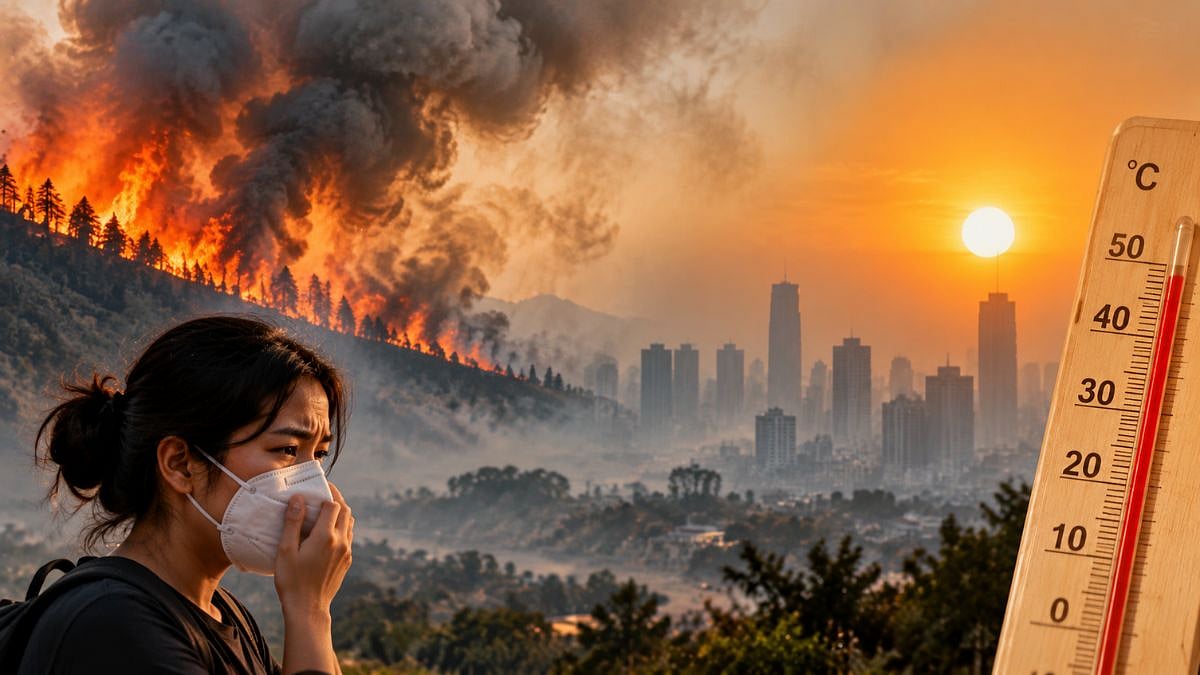
The World Meteorological Organization says climate change is making some air pollution problems worse.
Hotter and longer heatwaves can create more ground-level ozone, a gas that can hurt the lungs.
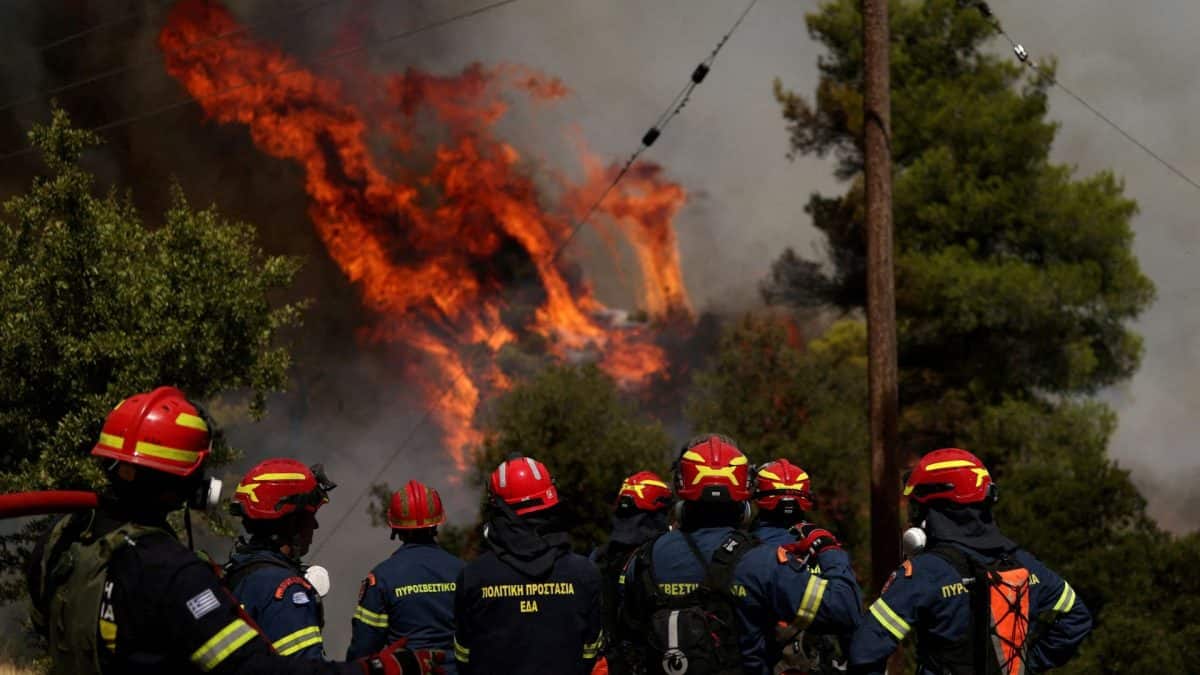
More severe wildfires also send smoke and tiny particles into the air.
These particles can travel far and may cause breathing problems and other health effects.
Very small particles called PM2.5 can enter deep into the lungs and bloodstream.
Soot from fires can land on snow and ice, making them absorb more sunlight and melt faster.
This creates a cycle in which warming causes more fires, and fires help increase warming.
The organization says air pollution and climate change should be tackled together.
Cutting fossil-fuel use and greenhouse-gas emissions could help address both problems.

The World Meteorological Organization says wildfires and heatwaves are worsening air quality and increasing health risks worldwide.
Wildfire smoke contains fine particles linked to asthma attacks, COPD hospitalizations, respiratory medication use, mental-health effects and birth-outcome impacts.
A study cited by the WMO found that wildfires tripled since the 1990s and contributed to nearly 100,000 deaths annually between 2010 and 2018.
Prolonged heatwaves increase ground-level ozone, which can inflame lung tissue and contribute to circulatory and heart problems.
The WMO says reducing fossil-fuel use and greenhouse-gas emissions can improve air quality while addressing climate change.
- Who
- The World Meteorological Organization, with comments from scientific officer Lorenzo Labrador.
- What
- The WMO warned that worsening wildfires and heatwaves are damaging air quality and increasing public-health risks.
- Where
- Worldwide, including regions affected by wildfire smoke and Europe, which experienced severe heatwaves.
- When
- The report was discussed on September 7, 2026, and was published to coincide with the United Nations’ International Day of Clean Air.
- Why
- Climate change is intensifying fire-conducive weather and heatwaves, increasing wildfire smoke, ozone pollution and climate feedback effects.
Key facts
- Reporting date
- September 7, 2026
- Reporting organization
- World Meteorological Organization
- Main pollutants
- Wildfire smoke, ground-level ozone, PM2.5 and black carbon
- Wildfire finding
- A study cited by the WMO linked a tripling of wildfires since the 1990s to nearly 100,000 deaths annually from 2010 to 2018.
- Ozone risk
- In heavily polluted regions, about one in five COPD deaths is attributed to long-term ozone exposure, according to the report.
- Climate feedback
- Soot deposited on snow and ice darkens surfaces, reduces reflectivity and accelerates melting.
- Recommended response
- The WMO advocates reducing greenhouse-gas emissions and fossil-fuel burning to address climate and air-quality problems together.
Quotes
Lorenzo Labrador
Scientific officer at the World Meteorological Organization
“Ozone is a very powerful oxidant. So once it gets to the lung, it essentially oxidises lung tissue and causes inflammation and circulatory problems, and eventually heart problems.”
 freepressjournal.in
“And that leads me to the best solution that there is, which is a general abatement of global greenhouse gas emissions and fossil fuel burning.”
freepressjournal.in
Sources
Related news
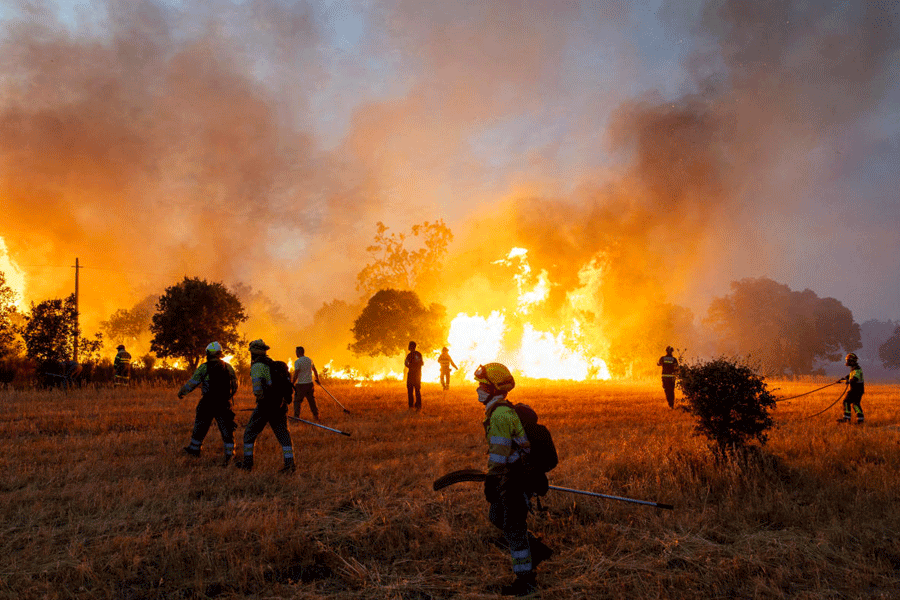
Wildfires and heat waves threaten global air-quality gains
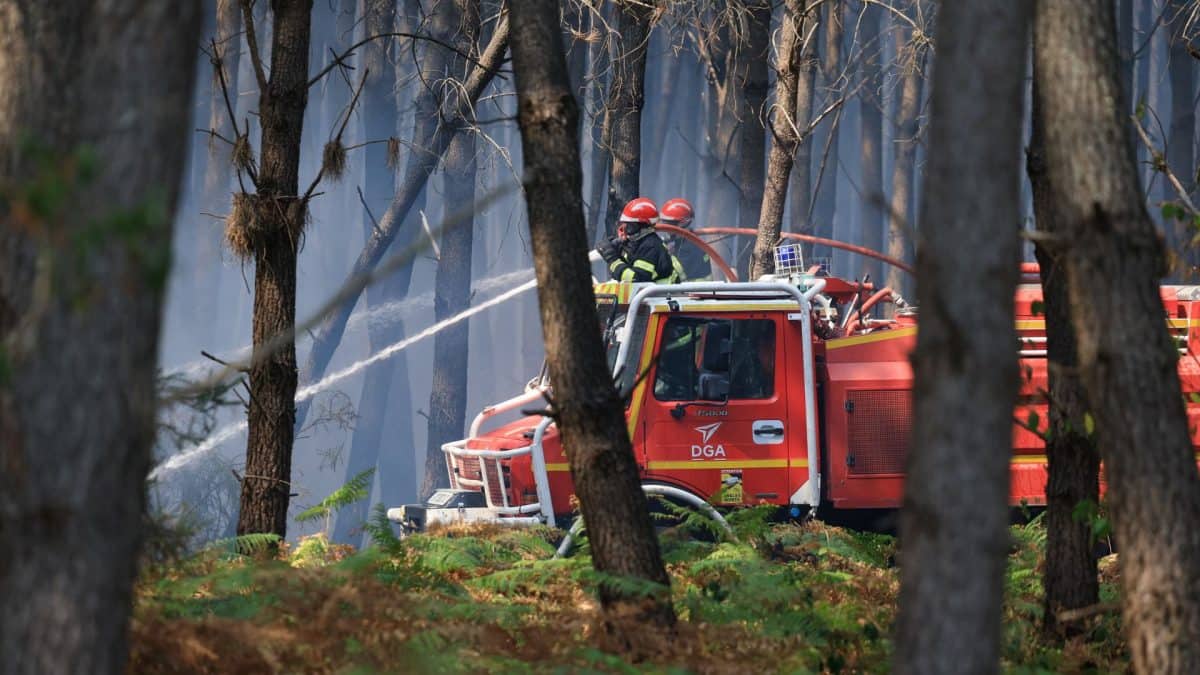
Europe's 2026 summer: burning, drying out, struggling to adapt

Fifth Heat Wave of Summer Peaks in London on Thursday
Europe battles wildfires as record heat and drought fuel blazes

Europe’s Deadly Summer Heat Linked to Over 30,000 Deaths

Europe’s Earlier Harvests Expose Rising Climate Risks for Crops
Lavrov Says Russia-Ukraine War Must End Without Nazism

Jaipur Robotics Raises €4.3 Million, Plans India Expansion
India Fills Europe’s Diesel Gap as Russian Supplies Falter