6 hrs ago
Pakistan-Saudi-Turkey Nuclear Ambiguity Raises Regional Security Fears
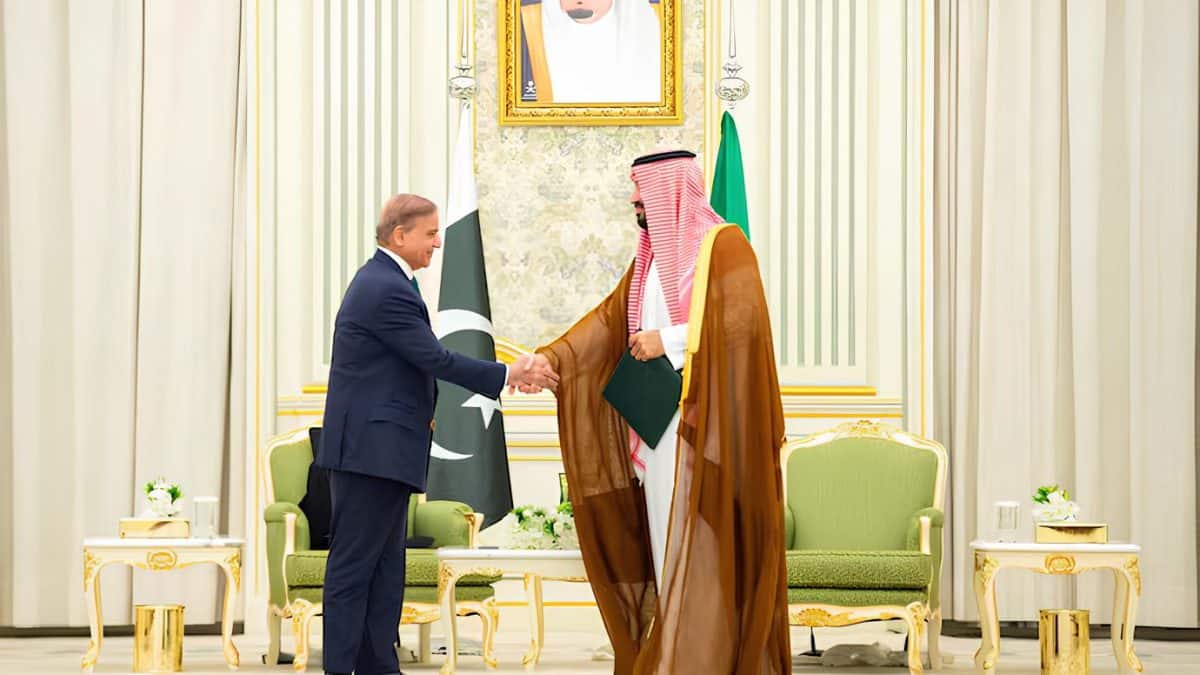
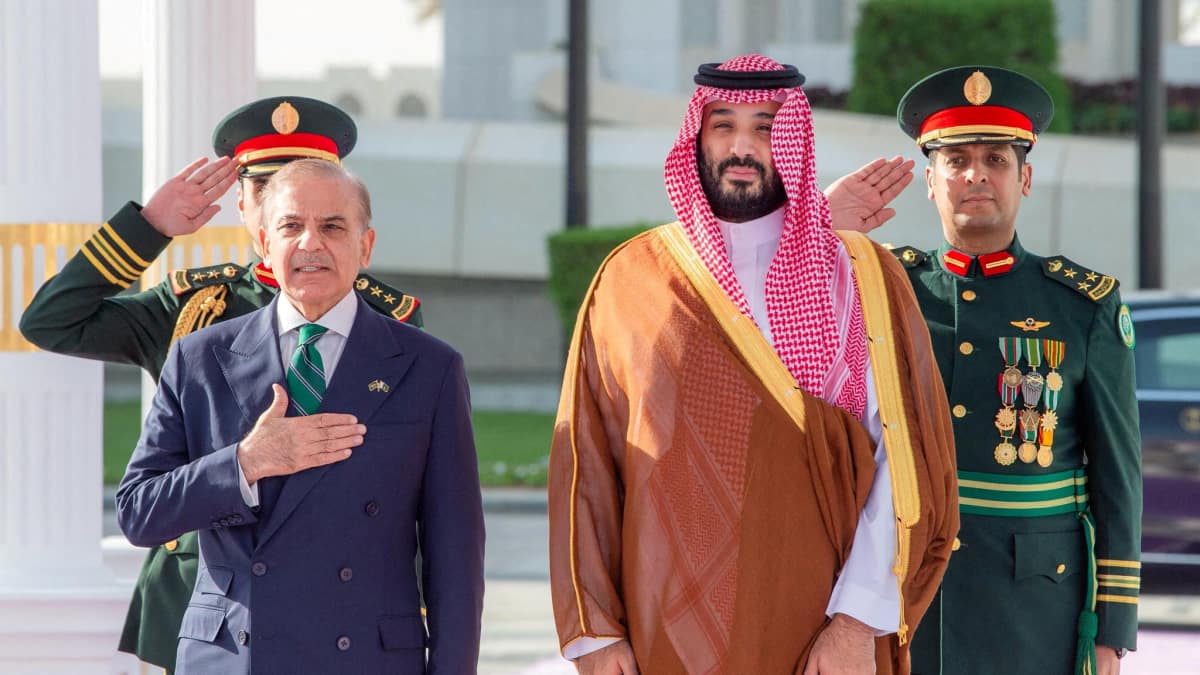
Pakistan and Saudi Arabia made a military agreement in September 2025.
It says that an attack on one country would be treated as an attack on both.
Some officials described the agreement as covering all military abilities, and one Pakistani minister called it nuclear sharing before taking that back.
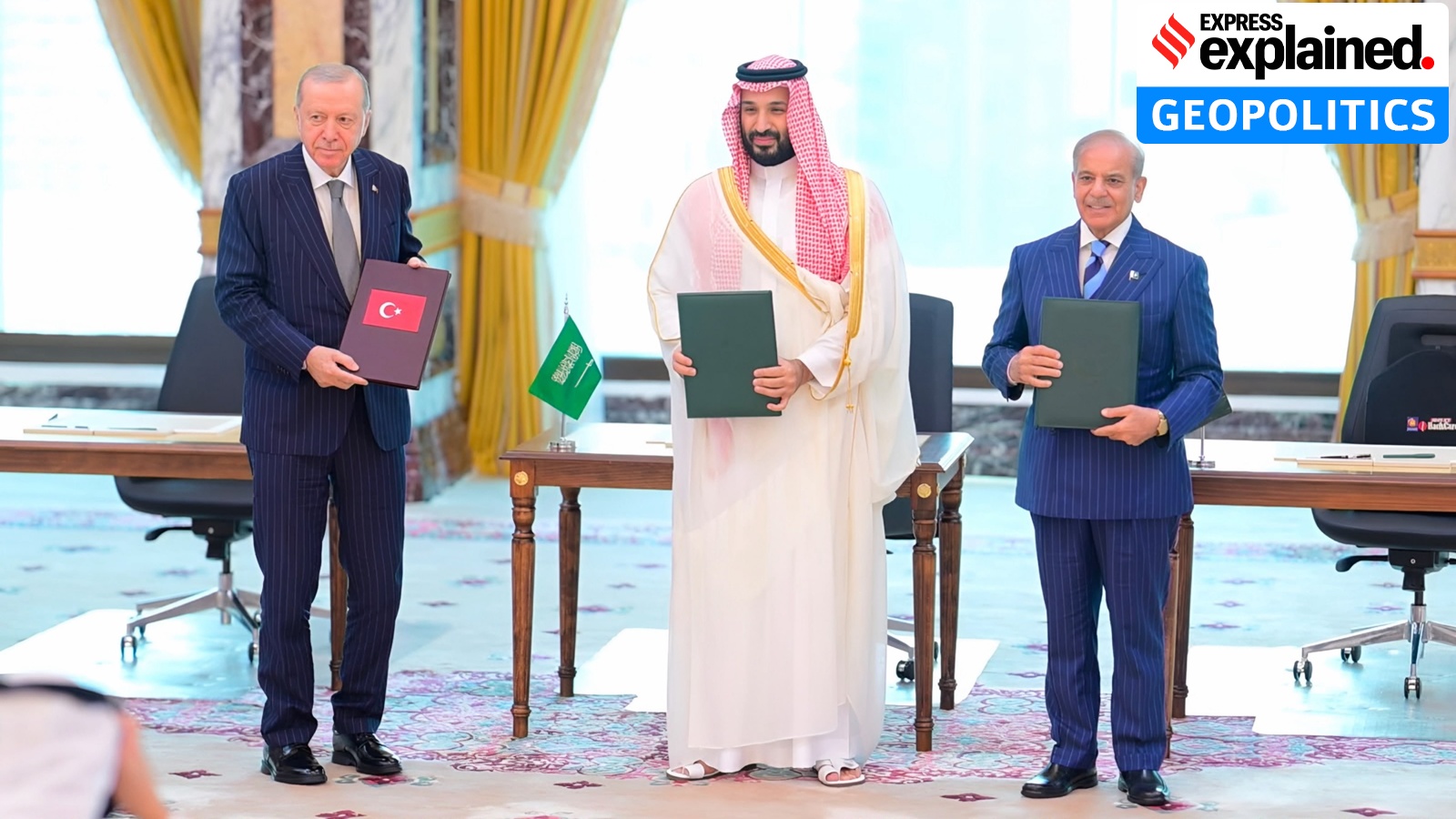
Pakistan and Saudi Arabia later joined Turkey in another defence agreement.
Pakistan is the only country in this group known from the article to have nuclear weapons.
The countries have not said that Pakistani nuclear weapons will protect Saudi Arabia or Turkey.
However, the author says other countries may worry simply because they think such protection could exist.
This uncertainty could affect Israel, the United States, Iran, and international efforts to prevent the spread of nuclear weapons.

Pakistan and Saudi Arabia signed a mutual defence agreement in September 2025 treating aggression against one as aggression against both.
Officials gave conflicting descriptions of whether the agreement includes nuclear sharing, while Pakistan and Saudi Arabia have denied such an arrangement.
The Mecca Joint Defence Agreement with Turkey is modelled on NATO’s Article 5, with Saudi Arabia funding it and Turkey providing defence technology.
The agreement could create an ambiguous deterrence relationship involving Pakistan’s nuclear capabilities without placing missiles in Saudi Arabia or Turkey.
The author argues that the arrangement could challenge Israel’s deterrence strategy, increase US pressure, and weaken the global non-proliferation system.
- Who
- Pakistan, Saudi Arabia, and Turkey are the principal parties; Israel, the United States, Iran, and China are discussed as affected or relevant powers.
- What
- A mutual defence agreement and a broader Mecca Joint Defence Agreement have raised questions about whether Pakistan’s nuclear deterrence could indirectly protect Saudi Arabia and Turkey.
- Where
- The bilateral agreement was signed at Al-Yamamah Palace in Riyadh; the wider arrangement connects Saudi Arabia, Pakistan, and Turkey.
- When
- The Pakistan-Saudi Arabia agreement was signed in September 2025; the article says the dispute over its implications remained unresolved one year later.
- Why
- The agreements are intended to strengthen mutual defence, but their vague language has prompted concerns about nuclear ambiguity, regional deterrence, and non-proliferation.
Those warning of strategic nuclear ambiguity
Those rejecting a nuclear-sharing interpretation
Meaning of the defence agreement
Those warning of strategic nuclear ambiguity
The author argues that the agreement’s ambiguity could make rivals and the wider Muslim public believe Pakistan offers Saudi Arabia and Turkey a nuclear umbrella, even without formally declaring one.
Those rejecting a nuclear-sharing interpretation
Cautious analysts cited in the article say the agreement’s language falls well short of nuclear sharing, and Pakistan’s declaratory policy has not promised nuclear protection for non-allied, non-contiguous states.
Effect on Israel
Those warning of strategic nuclear ambiguity
The author says a Saudi-Turkish-Pakistani arrangement with possible nuclear backing could undermine Israel’s regional psychological deterrence and create potential direct nuclear threats.
Those rejecting a nuclear-sharing interpretation
The article does not present an Israeli government response and notes that no missiles are being placed in Saudi Arabia or Turkey.
Effect on non-proliferation
Those warning of strategic nuclear ambiguity
The author argues that ambiguous deterrence could pressure the United States, challenge the existing Gulf security architecture, and contribute to erosion of the Non-Proliferation Treaty.
Those rejecting a nuclear-sharing interpretation
Pakistan’s military and diplomats have reasons to preserve the distinction between conventional defence cooperation and nuclear sharing, while research institutions such as the Belfer Center and Chatham House reportedly reject interpreting the agreement as nuclear sharing.
Key facts
- Bilateral agreement
- Signed by Saudi Crown Prince Mohammed bin Salman and Pakistani Prime Minister Shehbaz Sharif in September 2025.
- Agreement language
- Aggression against either country would be considered aggression against both.
- Nuclear-sharing dispute
- A Saudi official referred to coverage of all military capabilities; a Pakistani minister called it nuclear sharing and later retracted the statement.
- Mecca pact
- The Saudi-Turkish-Pakistani defence agreement is modelled on NATO’s Article 5.
- Division of roles
- Saudi Arabia funds the arrangement, Turkey provides defence technologies, and Pakistan provides labour, according to the article.
- Nuclear infrastructure
- The article says China built Pakistan’s Chashma nuclear complex, whose eighth reactor is under construction and expected to become operational by 2030.
- Official denials
- Pakistan and Saudi Arabia have denied that the arrangement constitutes nuclear sharing.
Sources
Related news
Pakistan seeks Mecca pact front against Israel and India
Saudi Arabia, Turkey, Pakistan Sign Mecca Joint Defence Agreement
Mecca Defence Pact Needn't Scare India, Editorial Says
Pakistan, Turkey, Saudi Arabia Pact Is Hedge Against Israel

Saudi Arabia, Turkey, Pakistan Sign Mecca Defence Agreement