2 weeks ago
Why Astrologers Opposed August 15 as India Independence Day
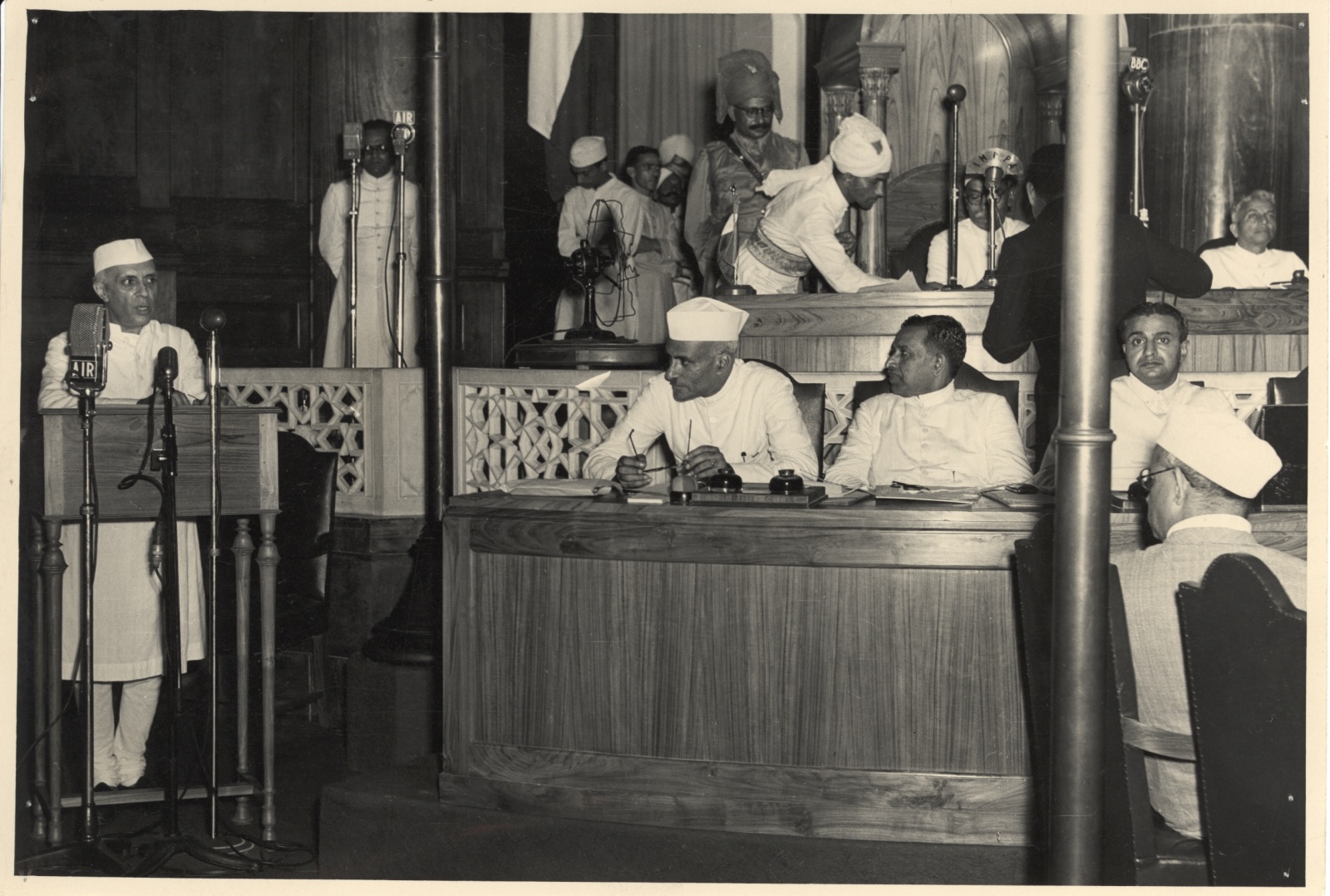
A long time ago, in 1947, India became a free country after being ruled by Britain for many years.
The British leader in charge, Lord Mountbatten, chose August 15 as the day India would become independent.
But some astrologers, people who study stars and planets, said August 15 was not a lucky day.
Astrologers in the holy city of Varanasi and in southern India said this.
The leaders made a compromise, which means both sides gave a little.
They kept the date, August 15, but changed the time.
Instead of holding the big meeting during the day, they started the special meeting on August 14 and let it go past midnight.
So at the stroke of midnight, India became free.
Mountbatten chose that date because it was the same day Japan surrendered in World War II, two years earlier.
He thought it was a good symbol of a new, free Asia beginning.

Lord Mountbatten announced August 15, 1947 as India's independence date, advancing the original June 1948 deadline.
Astrologers in Varanasi and several in southern India declared August 15 inauspicious.
A compromise kept the date but changed the hour, making midnight central to India's freedom.
The Constituent Assembly's special session began August 14 and carried into midnight.
The date marked the second anniversary of Japan's surrender, which Mountbatten saw as symbolizing the birth of democratic Asia.
- Who
- Lord Louis Mountbatten, the last Viceroy of India, chose the date while astrologers in Varanasi and southern India opposed it.
- What
- Astrologers deemed August 15 inauspicious, leading to a compromise to keep the date but change the hour so India's independence began at midnight.
- Where
- India, particularly the holy city of Varanasi and parts of southern India.
- When
- August 15, 1947 (announced as Independence Day, replacing the original June 1948 deadline).
- Why
- Mountbatten chose the date as the second anniversary of Japan's surrender, symbolizing the end of one Asian era and the birth of democratic Asia, while astrologers opposed it on astrological grounds.
Leaders' choice of the date
Astrologers' objections
Choosing the Independence Day date
Leaders' choice of the date
Mountbatten and Indian leaders kept August 15, which the Viceroy valued as the second anniversary of Japan's surrender, symbolizing the end of one Asian era and the birth of democratic Asia.
Astrologers' objections
Astrologers in Varanasi and southern India declared August 15 inauspicious and opposed holding Independence Day on that date.
Key facts
- Independence date
- August 15, 1947
- Original deadline
- June 1948
- Date announced by
- Lord Louis Mountbatten
- Astrologers' objection
- August 15 deemed inauspicious in Varanasi and southern India
- Compromise
- Kept the date but changed the hour to midnight
- Constituent Assembly session
- Began August 14, carried into midnight
- Symbolic significance
- Second anniversary of Japan's surrender in World War II
- Source
- Freedom at Midnight by Larry Collins and Dominique Lapierre
Sources
Related news
Why India Celebrates Independence Day on August 15

Why India and Pakistan Celebrate Independence Day One Day Apart
Gandhi, Nehru, Jinnah And Faiz On India's Independence Day
Why Two MP Temples Celebrated Independence Day Four Days Early

Japan Cricket Boss Defends Asian Games Facilities Against Concerns

Mitsubishi Revives Pajero With 201PS Fifth-Generation SUV

Europe's Bond Selloff Deepens as Middle East Tensions Lift Oil

Uday Kotak Warns Global Bond Markets Face Roller-Coaster Volatility
Global Bond Sell-Off Pushes Japan Yields To 30-Year High