2 weeks ago
Why Two MP Temples Celebrated Independence Day Four Days Early
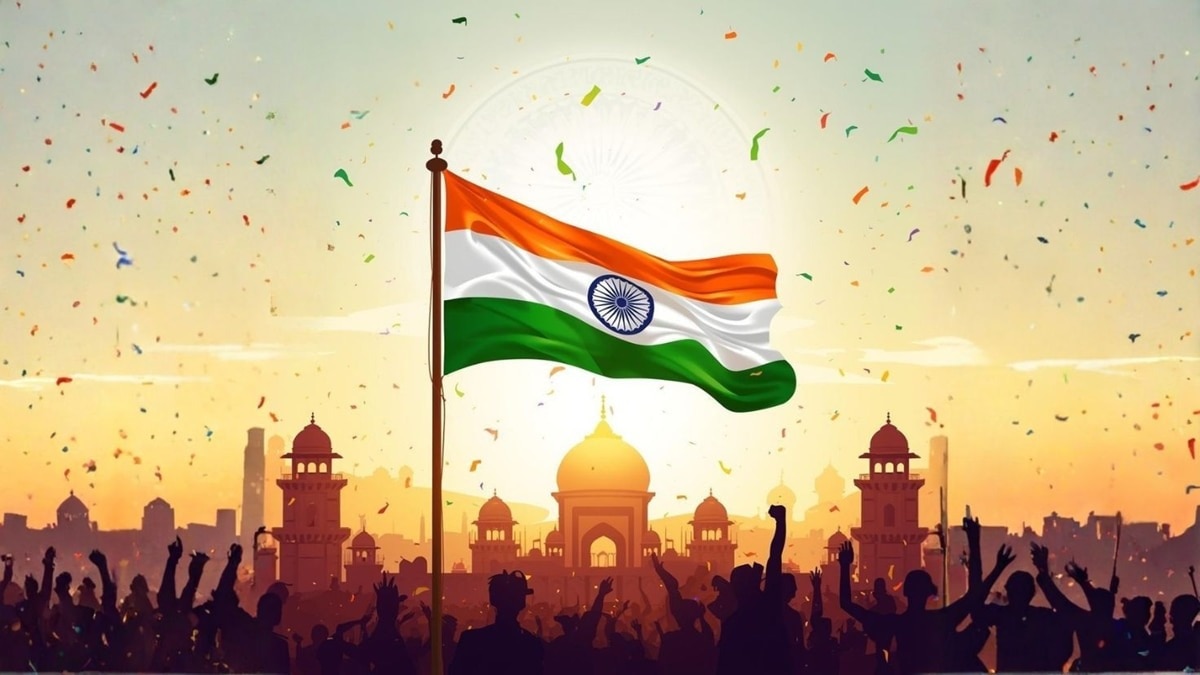
Every year on August 15, people across India celebrate Independence Day, because on August 15, 1947, India became a free country.
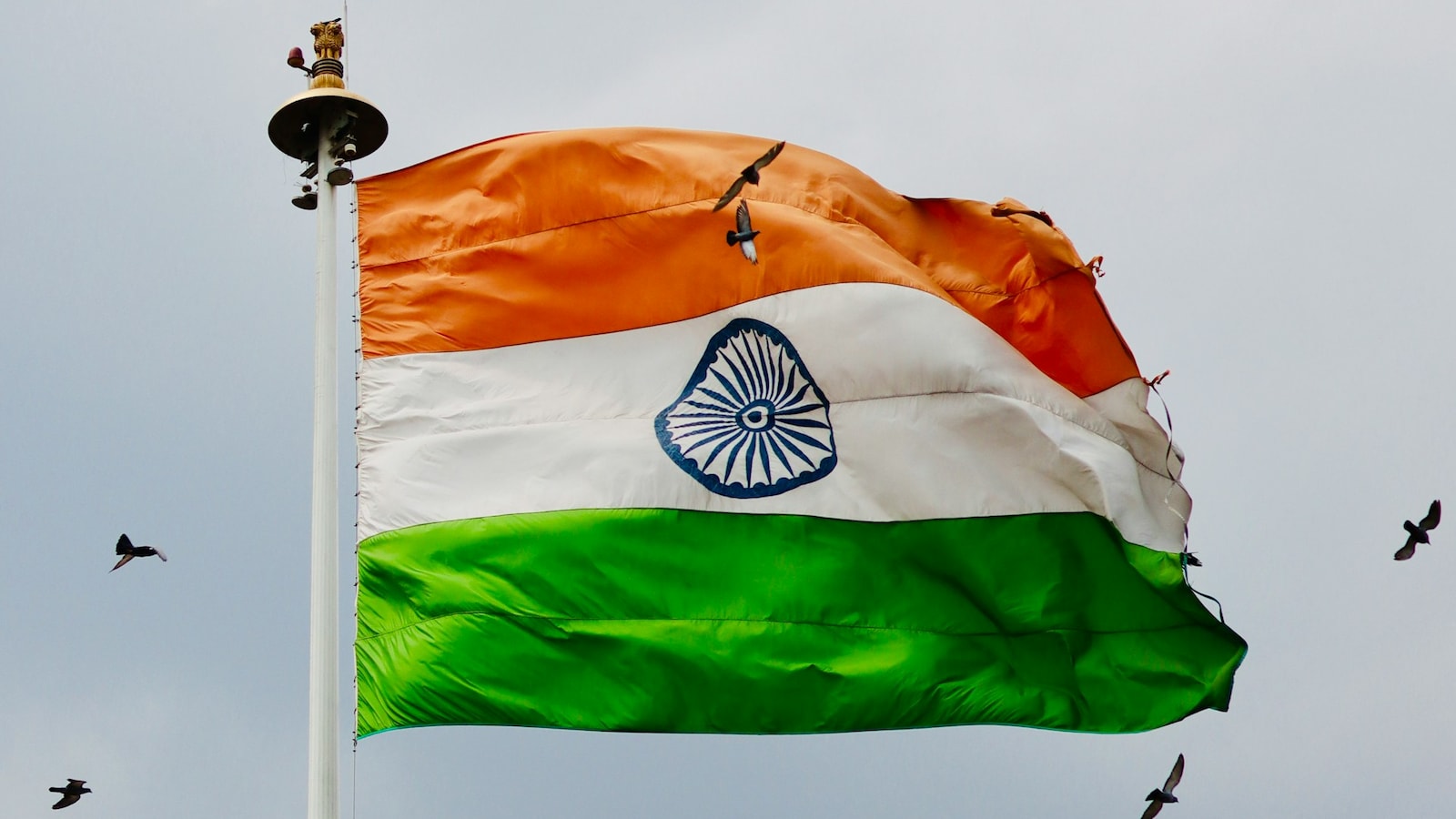
This year, India is celebrating its 80th Independence Day.
But two special temples in the state of Madhya Pradesh celebrated it on August 11 instead, four days early.
These temples follow the Hindu calendar, and in that calendar the day India became free fell on a date called Shravan Krishna Chaturdashi.
This year, that date came on August 11.
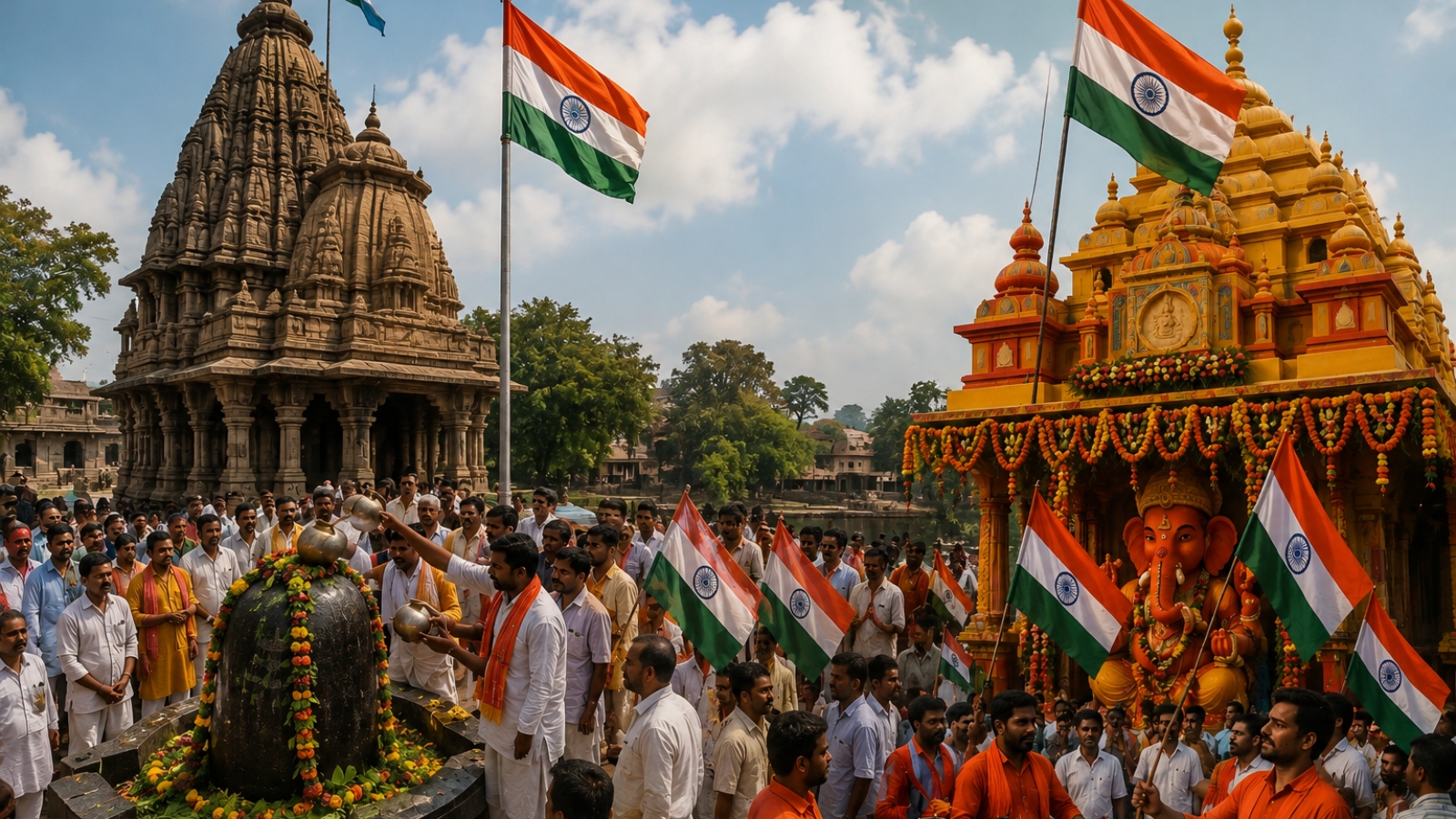
The Pashupatinath Temple in Mandsaur and the Bade Ganesh Temple in Ujjain held special prayers, flag-hoisting ceremonies and a Tiranga Yatra.
They washed the holy Shivling with water containing special durva grass and performed a grand aarti.
About 250 devotees attended the programme at the Mandsaur temple, and sweets called prasad were shared.
Everyone prayed for India to become a developed nation by 2047.

The Pashupatinath Temple in Mandsaur and the Bade Ganesh Temple in Ujjain celebrated Independence Day on August 11, four days before the national date of August 15.
The early observance follows a unique tradition of marking Independence Day on Shravan Krishna Chaturdashi, the Hindu calendar date that corresponded to August 15, 1947.
Celebrations included an abhishek of the eight-faced Shivling with water containing durva grass, flag hoisting, a Tiranga Yatra and a maha aarti at both temples.
The Pashupatinath Temple has followed the tradition since 1985, while the Bade Ganesh Temple follows a decades-old practice of observing national festivals by the Hindu calendar.
Priests and devotees prayed for India to become a developed nation by 2047.
- Who
- Priests and devotees of the Pashupatinath Temple in Mandsaur and the Bade Ganesh Temple in Ujjain, including Umesh Joshi, president of the Jyotish and Karmakand Parishad, and priest Akshat Vyas.
- What
- Celebrated India's Independence Day four days early with special religious rituals, including an abhishek of the eight-faced Shivling with durva grass, flag hoisting, a maha aarti and a Tiranga Yatra.
- Where
- Pashupatinath Temple in Mandsaur, on the banks of the Shivna river, and Bade Ganesh Temple in Ujjain, in Madhya Pradesh, India.
- When
- August 11, four days before the national Independence Day on August 15.
- Why
- Because August 15, 1947, when India gained independence from British rule, corresponded to Shravan Krishna Chaturdashi in the Hindu calendar, and that date fell on August 11 this year.
Key facts
- National Independence Day
- August 15 (the 80th)
- Celebration date at the two temples
- August 11
- Hindu calendar date
- Shravan Krishna Chaturdashi
- Temples
- Pashupatinath Temple (Mandsaur), Bade Ganesh Temple (Ujjain)
- Tradition observed since
- 1985 at Pashupatinath Temple
- Rituals performed
- Abhishek with durva grass, maha aarti, flag hoisting, Tiranga Yatra
- Devotees at Pashupatinath Temple
- About 250
- Location detail
- Mandsaur temple is about 250 km from Indore, on the banks of the Shivna river
Quotes
Umesh Joshi
President of the Jyotish and Karmakand Parishad, an organization of temple priests and devotees
“We performed an abhishek of the Shivling with water containing durva, a special type of grass used in worship, while chanting Vedic hymns. We prayed for India to become a developed nation by 2047.”
 thehansindia.com
 rediff.com
“After offering the national flag to Lord Ganesh on Independence Day, a special maha aarti (grand worship ritual) was performed. The tricolour was then hoisted on the temple's main spire.”
rediff.com
Sources


Related news

India to Celebrate 80th Independence Day on August 15, 2026

Madhya Pradesh Celebrates 80th Independence Day; CM Yadav Hoists Tricolour

Hindu Festivals and Rituals Scheduled Across September 2026
Why India and Pakistan Celebrate Independence Day One Day Apart
Why India Celebrates Independence Day on August 15
Pregnant Twin-Bearing Woman Dies Amid Alleged Ambulance Delay in Mandla

Ratlam Road Deaths Rise 29% as 171 Die

Delhi High Court Orders Madhya Pradesh to Pay Advocate Dues
Delhi Police Bust Interstate Arms Racket, Arrest Two

Raisen Jail Guard Shot; Superintendent Suspended Amid Security Probe