2 weeks ago
Why India Celebrates Independence Day on August 15
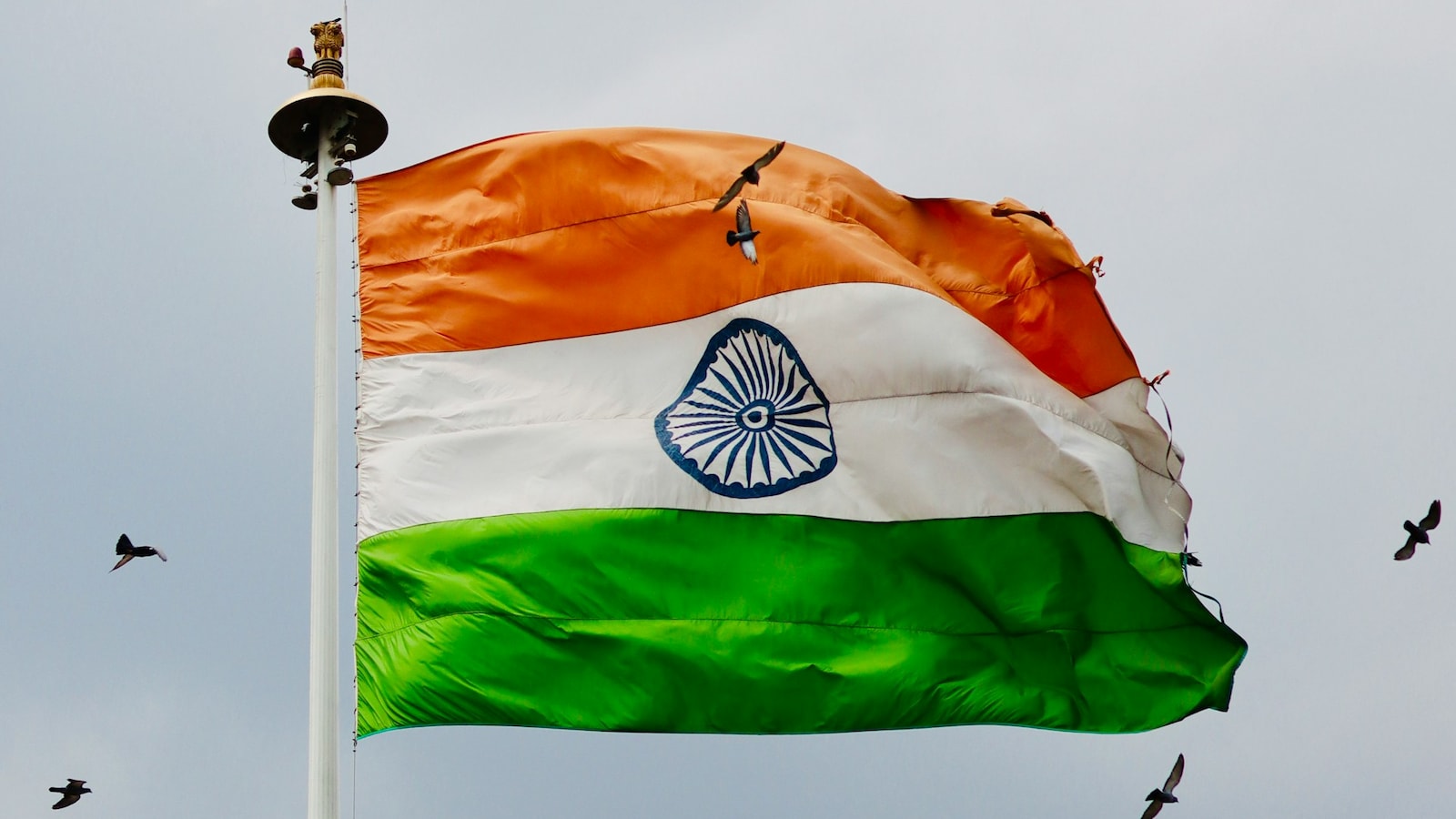
India has a very special holiday every year on August 15.
On that day, many years ago, India became free from British rule.
Before that, a man named Lord Mountbatten was in charge of giving India its freedom.
He picked August 15 as the special day.
He chose that date because it was the day Japan's emperor gave up in World War II.
On the very first Independence Day, Prime Minister Jawaharlal Nehru raised the Indian flag at the Red Fort in Delhi.
He gave a famous speech called 'Tryst with Destiny'.
Ever since, every prime minister raises the flag at the Red Fort and talks to the people.
People all over India celebrate with music, dance, helping others, and lighting up famous buildings to remember the freedom fighters.

India marks its Independence Day on August 15 every year, commemorating freedom from British colonial rule in 1947.
Lord Mountbatten, appointed India's last viceroy in February 1947, brought the transfer of power forward from June 1948 to August 1947 as the political situation deteriorated.
August 15 was chosen partly because it was the date of Japan's emperor's surrender to the Allies, which ended World War II in 1945.
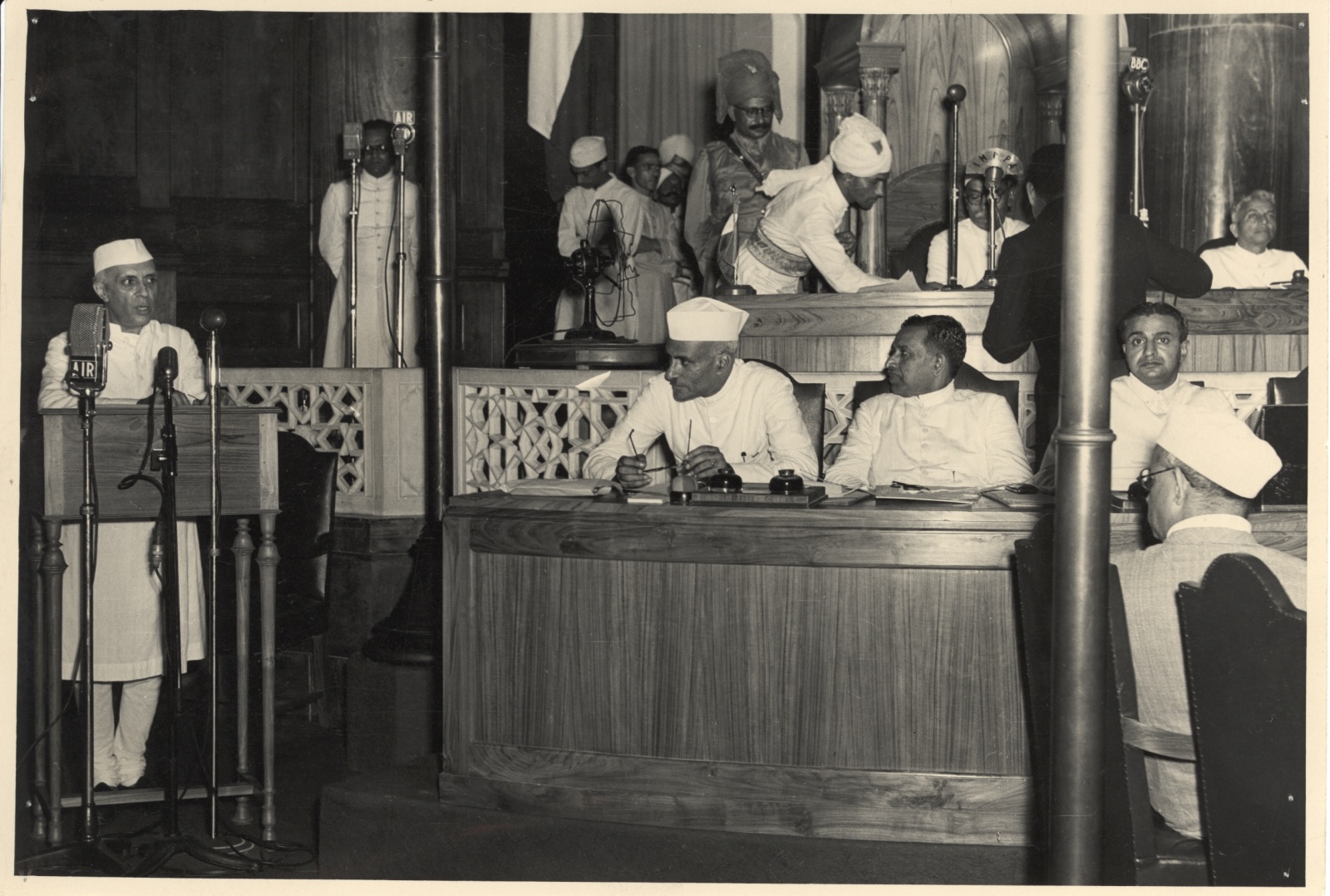
On August 15, 1947, Prime Minister Jawaharlal Nehru hoisted the tricolour from the ramparts of the Red Fort in Delhi and delivered his 'Tryst with Destiny' speech.
The hasty transfer of power and the partition led to extreme bloodshed and widespread migration, while today's celebrations include cultural programmes, social service activities and illumination of national monuments.
- Who
- India's sitting prime minister, who unfurls the tricolour and addresses the nation; historically Jawaharlal Nehru and Lord Mountbatten were central figures.
- What
- India celebrates Independence Day, marking its freedom from British colonial rule, with flag hoisting, cultural programmes and tributes to freedom fighters.
- Where
- The main celebration is held at the Red Fort in Delhi, with events across the country.
- When
- August 15 every year, beginning with the first Independence Day on August 15, 1947.
- Why
- August 15 was chosen because Mountbatten moved up the transfer of power and selected a date signifying Britain's World War II triumph, matching Japan's surrender date.
Key facts
- Independence Day
- August 15, observed annually in India
- Year of independence
- 1947
- First celebration
- August 15, 1947, with flag hoisting by Jawaharlal Nehru at the Red Fort
- Main venue
- Red Fort, Delhi
- Mountbatten appointed viceroy
- February 1947
- Original power-transfer deadline
- June 1948
- Japan's WWII surrender
- August 15, 1945
- Celebration activities
- Cultural programmes, social service activities, monument illumination, tributes to freedom fighters
Sources
Related news
Why India and Pakistan Celebrate Independence Day One Day Apart
Why Astrologers Opposed August 15 as India Independence Day
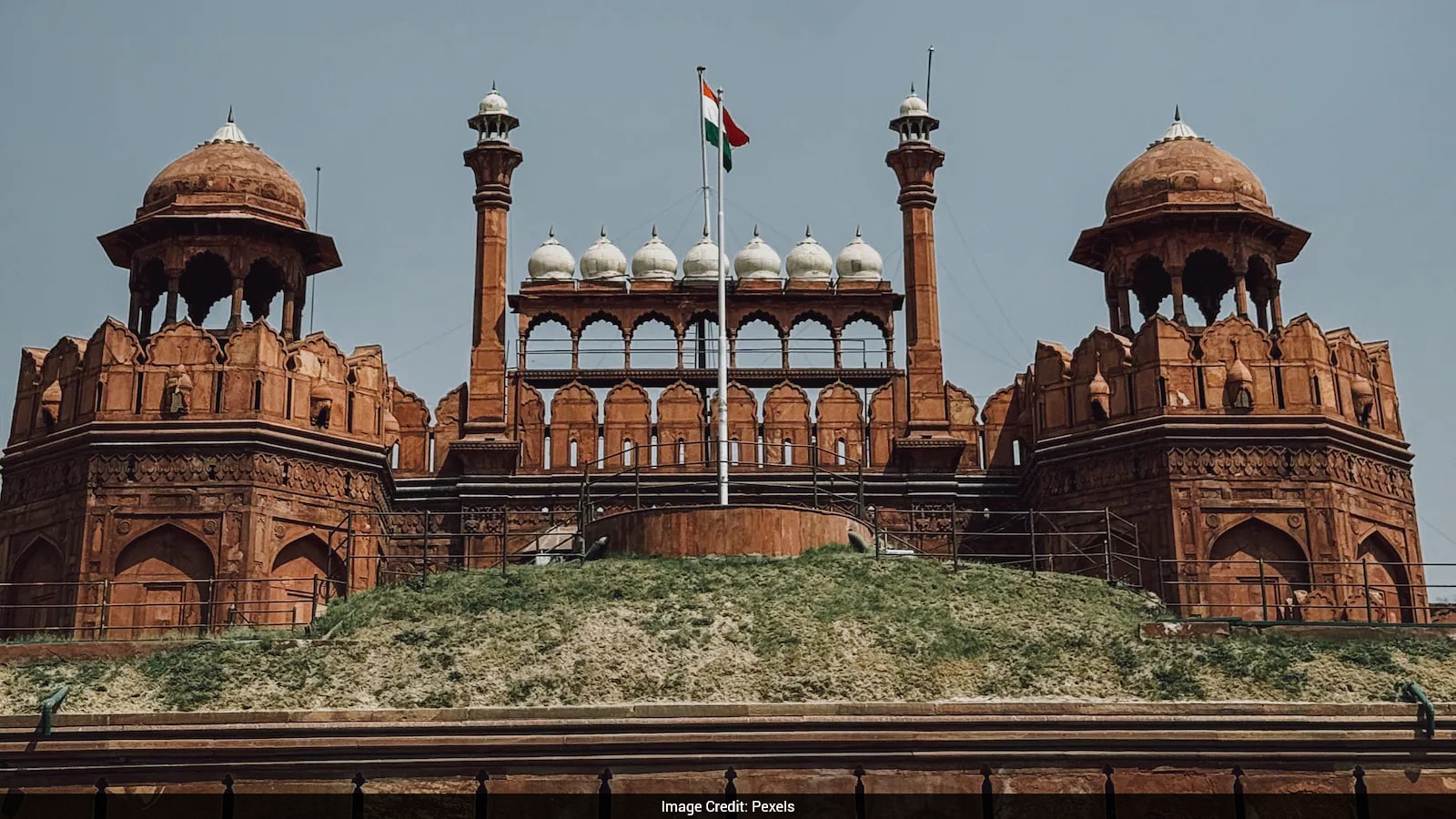
Why Independence Day Is Celebrated At The Red Fort

India to Celebrate 80th Independence Day on August 15, 2026
India Marks 80th Independence Day with Yuva Shakti Theme

Bengal’s Lost Commercial Heritage Revisited Through Historical Fiction
How British Artists Made India Exotic for Colonial Rule
Actress Phyllida Law, Mother of Emma and Sophie Thompson, Dies

'The Revolutionaries' gets September 11 premiere on Prime Video