

1 hr ago
Wood pulp traffic shifts from road to rail
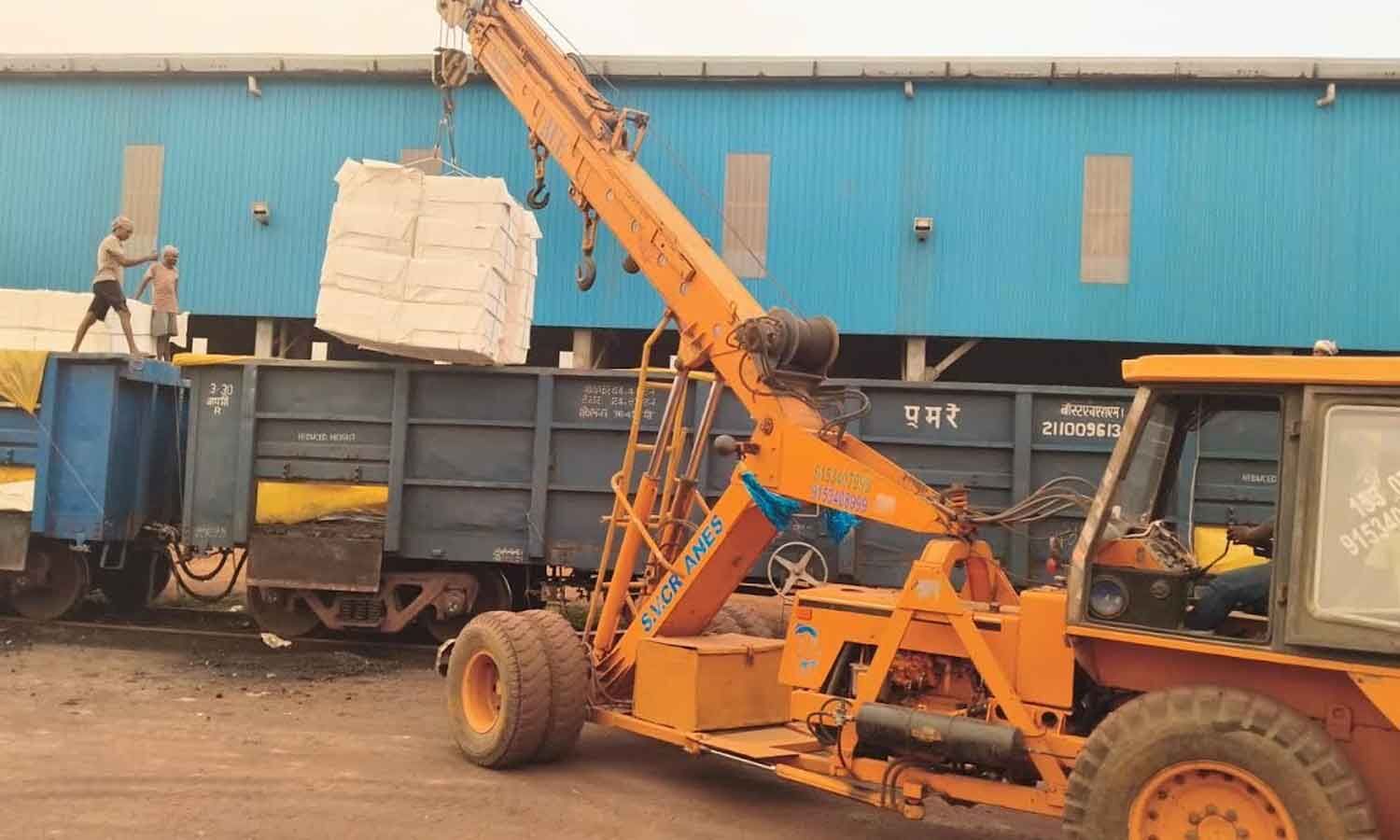
South Coast Railway has started moving imported wood pulp by train instead of trucks.
For 15 years, the pulp traveled by road from Kakinada to paper factories in Maharashtra.
Trains had been more expensive because the railway charged for more weight than the wagons could actually carry.
Railway officials worked with companies to find a better pricing system.
The Railway Board placed wood pulp in a cheaper tariff category called class-110.
This made trains more competitive with trucks.
The first train carrying the pulp left Kakinada for Bhigwan on Saturday.
The railway expects this change to bring in more cargo and revenue each year.

South Coast Railway diverted imported wood pulp traffic from road to rail.
The 1,061-kilometre shipment route runs from Kakinada to Bhigwan in Maharashtra.
Wood pulp was added to the goods tariff under class-110, reducing freight charges.
The first BOST rake was loaded at Kakinada and began moving on Saturday.
South Coast Railway expects 1.5 lakh tonnes of additional annual loading and about Rs 20 crore in yearly revenue.
- Who
- South Coast Railway, industry representatives, and the Railway Board.
- What
- Imported wood pulp traffic has been shifted from road transport to rail.
- Where
- The traffic is moving from Kakinada to Bhigwan in Maharashtra, a distance of 1,061 kilometres.
- When
- The tariff proposal was submitted in July, and the first rake was loaded on Saturday.
- Why
- A revised tariff reduced freight charges and made rail transport more competitive than road transport.
Key facts
- Commodity
- Imported wood pulp
- Route
- Kakinada to Bhigwan, Maharashtra
- Distance
- 1,061 kilometres
- New tariff classification
- Class-110
- Freight per rake
- Approximately Rs 40 lakh
- Expected annual loading
- Approximately 1.5 lakh tonnes
- Expected annual revenue
- Approximately Rs 20 crore
Sources
Related news

Western Railway's Bardoli Shed Begins First Outward Piecemeal Loading
Indian Railways Moves 360 TEUs in First Double-Stack Long-Haul Train

Concor’s Double-Stack Freight Milestone Supports Broker’s ₹540 Target Price

Indian Railways Operates First Double-Stack Long-Haul Container Train
Railways Commissions 150 Gati Shakti Cargo Terminals Nationwide

India’s Freight Corridor Gains Spur Push for National Grid

Bombay High Court Confirms Co-operative Courts Can Hear Redevelopment Disputes

Bombay HC Quashes Separate Society in Integrated Redevelopment

RBI Removes Maharashtra Minister From Latur Bank Board

Electrocution Deaths Raise Safety Concerns Over Kawal Tiger Translocation
