

2 hrs ago
Supreme Court Strikes Down Maharashtra Methanol Rules

The Supreme Court examined Maharashtra’s rules for controlling methanol, a chemical that can make liquor deadly when misused.
The rules limited who could buy or possess methanol.
They also required certain substances to be added before methanol was sold to some manufacturers.
The court said these rules did not stop methanol from being diverted through illegal channels.
It therefore cancelled the two rules.
The court still said preventing deaths from poisonous liquor is an important public-health goal.
It warned that complete alcohol bans can sometimes push liquor sales underground.
The court suggested stronger teamwork among police, transport, industry and excise departments.
It also recommended checking licences, tracking stocks and securing methanol during transport.

The Supreme Court quashed Maharashtra’s Rules 18A and 18B governing methanol purchases and possession.
The rules required colourants and bitterants to be added to methanol sold to non-drug manufacturers.
The court said the provisions did not prevent diversion and pilferage through illegal and unlicensed channels.
It warned that alcohol prohibition can push liquor markets underground and increase lethal, unregulated brews.
The court recommended coordinated surveillance, stricter licensing, stock monitoring and controls on methanol transport and storage.
- Who
- A bench of the Supreme Court comprising Justice J.B. Pardiwala and Justice K. Vinod Chandran.
- What
- The court quashed Maharashtra’s Rules 18A and 18B of the Maharashtra Poisons Rules, 1972, while recommending stronger controls against methanol-adulterated liquor.
- Where
- Maharashtra, with the court also discussing Gujarat’s prohibition experience and measures for states and Union territories.
- When
- The rules were introduced through a 2011 notification; the article does not state the date of the verdict.
- Why
- The court found that the methanol requirements failed to address diversion and pilferage through illegal and unlicensed channels and violated Articles 14 and 19(1)(g) of the Constitution.
Public-Health Restrictions
Court’s Legal and Enforcement Concerns
Methanol controls
Public-Health Restrictions
Restrictions on purchasing and possessing methanol, along with colourants and bitterants, were introduced after a major hooch tragedy to help prevent misuse.
Court’s Legal and Enforcement Concerns
The court held that the requirements did not address diversion and pilferage through illegal and unlicensed channels and therefore violated constitutional protections.
Alcohol prohibition
Public-Health Restrictions
A complete ban is intended to prevent alcohol-related deaths and protect public health, including deaths from methanol-adulterated liquor.
Court’s Legal and Enforcement Concerns
The court said prohibition can drive liquor trade underground, encourage unregulated lethal brews and produce revenue losses, high enforcement costs, corruption, illegal distillation and a drug menace.
Best enforcement approach
Public-Health Restrictions
Rules targeting methanol sales can serve as a direct safeguard against poisonous liquor.
Court’s Legal and Enforcement Concerns
The court recommended a coordinated approach involving police, transport, prohibition, excise and industries departments, including licensing checks, stock records and surveillance of illegal breweries.
Key facts
- Rules struck down
- Rules 18A and 18B of the Maharashtra Poisons Rules, 1972
- Rules introduced
- Through a 2011 notification after a major hooch tragedy in Mumbai
- Gujarat prohibition
- In force since 1960, according to the court
- Reported hooch tragedies
- At least 10 major tragedies in Gujarat, causing more than 600 deaths
- Constitutional provisions
- Articles 14 and 19(1)(g)
- Court’s public-health concern
- Deaths caused by methanol-adulterated liquor
- Recommended controls
- Stricter licensing, stock reconciliation, border surveillance, dedicated tankers and tamper-evident seals
Quotes
Justice J.B. Pardiwala
Supreme Court judge who authored the verdict
“History bears eloquent testimony to the fact that a complete alcohol ban often drives the liquor trade underground, increasing the prevalence of unregulated, lethal brews.”
 deccanchronicle.com
Sources
Related news
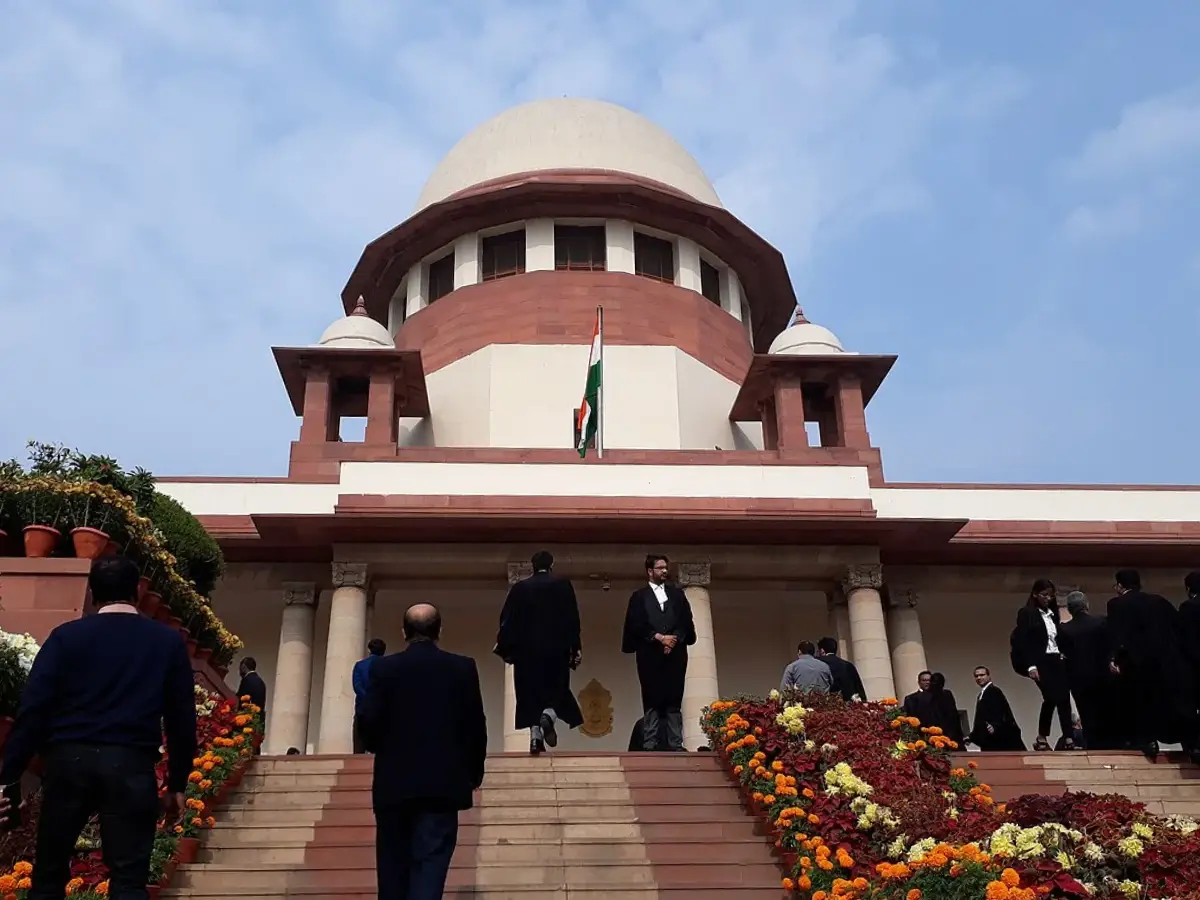
Supreme Court Questions Prohibition, Strikes Down Maharashtra Methanol Rules
Gujarat Methanol-Laced Liquor Death Toll Rises to 13
Gujarat Warns of Toxic Liquor Bottles After Seven Deaths

Bombay High Court Forces Pune To Scale Back Festival Alcohol Ban
Bhavnagar Spurious Liquor Deaths Leave Eight Dead, 25 Hospitalised
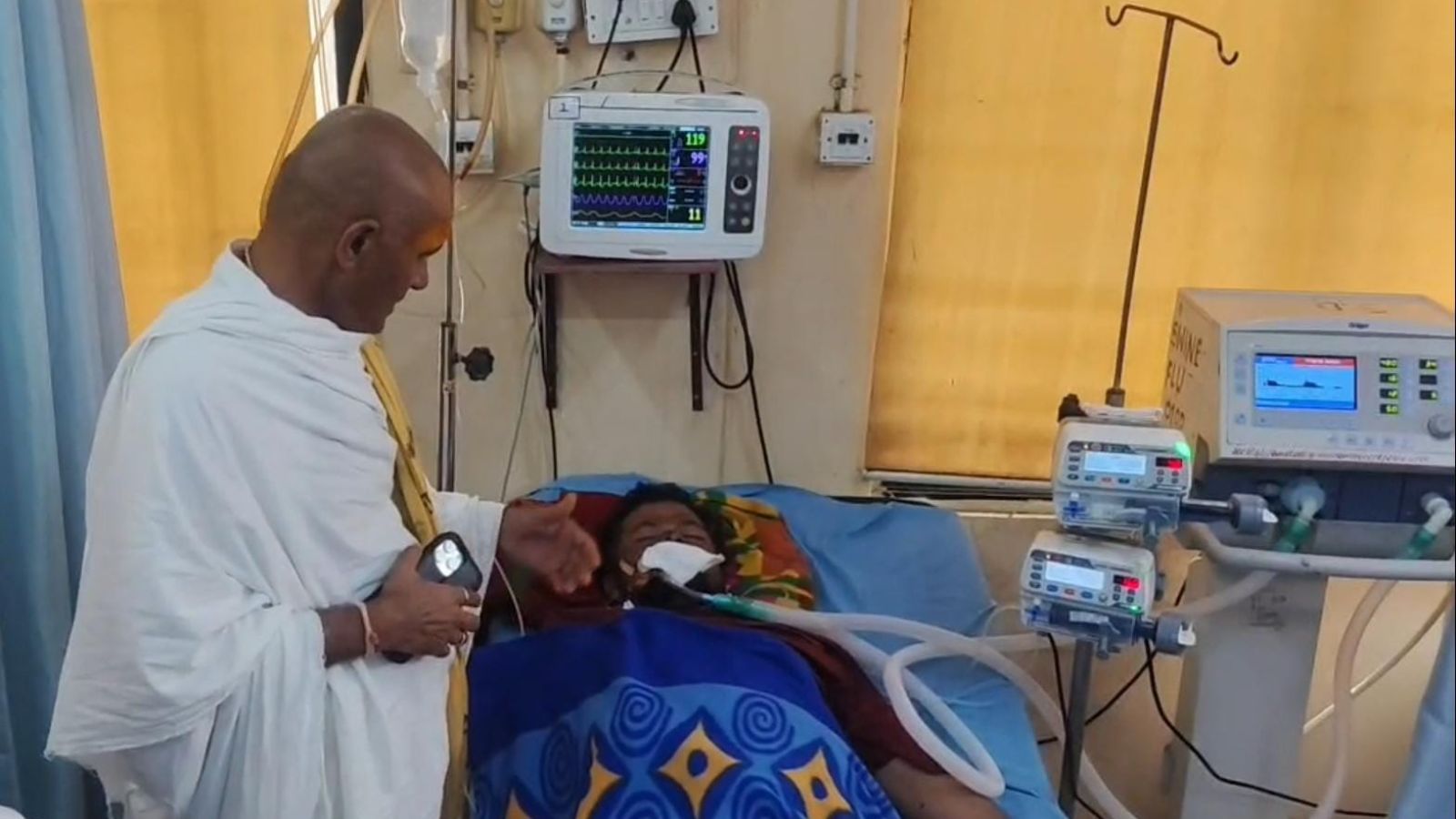
Gujarat Doctors Race Against Time After Toxic Liquor Tragedy

Supreme Court Approves NSE-SEBI Co-Location Settlement

Supreme Court Stays Ruling Against Income Tax Section 147A

Supreme Court Names Former Patna HC Judge Bihar Cricket Administrator
Supreme Court Seeks Clarity on Front-of-Pack Food Labels
