

3 hrs ago
Bombay High Court Confirms Co-operative Courts Can Hear Redevelopment Disputes
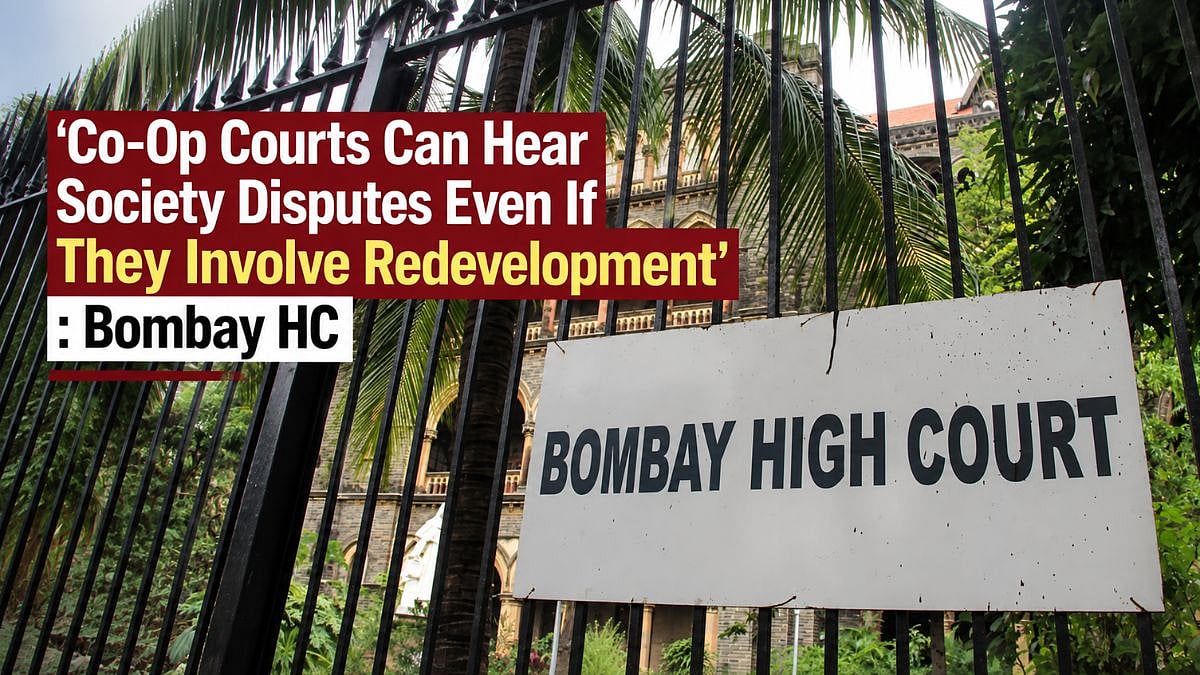
A housing society had disagreements about meetings and plans to redevelop its building.
Some members said the meetings were not properly called and that their rules were broken.
They brought the dispute to a Co-operative Court.
That court initially said a Civil Court should hear it.
Another co-operative appeals court disagreed and returned the case to the Co-operative Court.
The Bombay High Court supported the appeals court.
It said redevelopment does not automatically mean that a Civil Court must hear the case.
The important question was whether the dispute was about the society’s internal rules and meetings.
The High Court said the Co-operative Court could decide those issues.

The Bombay High Court upheld Co-operative Court jurisdiction over internal housing society governance disputes linked to redevelopment.
Justice N. J. Jamadar dismissed writ petitions filed by office bearers and members of Everard Co-operative Housing Society in Sion.
The dispute concerned notices and resolutions for Special General Body Meetings held in 2022 and 2024.
The court said redevelopment alone does not determine whether a dispute belongs before a Civil Court.
Because the challenges focused on meeting procedures and alleged statutory violations before any development agreement or third-party rights, the Co-operative Court could hear them.
- Who
- The Bombay High Court, Justice N. J. Jamadar, and members and office bearers of Everard Co-operative Housing Society Ltd.
- What
- The court ruled that Co-operative Courts can hear internal society governance disputes even when they involve redevelopment resolutions.
- Where
- The Bombay High Court heard the matter involving Everard Co-operative Housing Society in Sion, Mumbai.
- When
- The order was reported on September 19, 2026; the challenged society resolutions dated from 2022 and 2024.
- Why
- The court found that the main issues concerned meeting procedures and alleged statutory and bye-law violations, rather than redevelopment alone.
Co-operative Court Jurisdiction
Civil Court Referral
Effect of redevelopment
Co-operative Court Jurisdiction
The Maharashtra State Co-operative Appellate Court and the High Court held that redevelopment alone does not remove a dispute from Co-operative Court jurisdiction.
Civil Court Referral
The Co-operative Court initially reasoned that redevelopment fell outside the society’s business under established legal precedent and returned the disputes for presentation before a Civil Court.
Nature of the dispute
Co-operative Court Jurisdiction
The High Court viewed the challenges as internal governance matters involving meeting notices, resolutions, statutory requirements, and bye-laws.
Civil Court Referral
The petitioners sought to have the disputes treated as matters that could not be decided under Section 91 because of their connection to redevelopment.
Key facts
- Court
- Bombay High Court
- Judge
- Justice N. J. Jamadar
- Society
- Everard Co-operative Housing Society Ltd., Sion
- Membership
- Approximately 230 members
- Challenged meetings
- Special General Body Meetings held in 2022 and 2024
- Legal provision
- Section 91 of the Maharashtra Co-operative Societies Act, 1960
- Outcome
- Writ petitions were dismissed and the disputes were restored to the Co-operative Court
Quotes
Justice NJ Jamadar
Bombay High Court judge who issued the ruling
“No straitjacket formula of universal application can be laid down. The mere fact that the Resolutions passed by the society pertain to redevelopment, by itself, cannot be the sole determinative factor.”
 freepressjournal.in
“the learned Member, Appellate Court was justified in interfering with the orders passed by the Co-operative Court and restoring the Disputes to the file of the Co-operative Court.”
freepressjournal.in
Sources
Related news
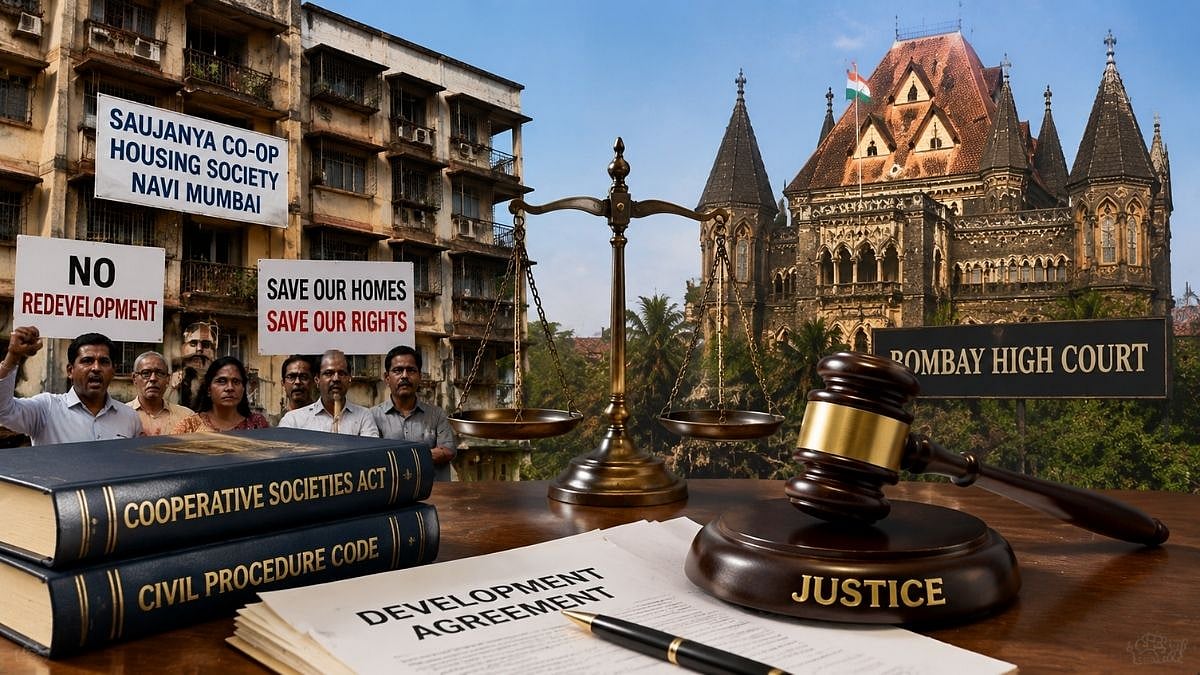
Bombay High Court Rejects Split Legal Challenges to Redevelopment

Bombay HC Quashes Separate Society in Integrated Redevelopment

Maharashtra’s 2026 Cooperative Rules Aim to Cut Housing Litigation

Karnataka Tribunal Says Landless Society Is Not RERA Promoter

Bombay High Court Exempts Urgent Suits From Pre-Litigation Mediation
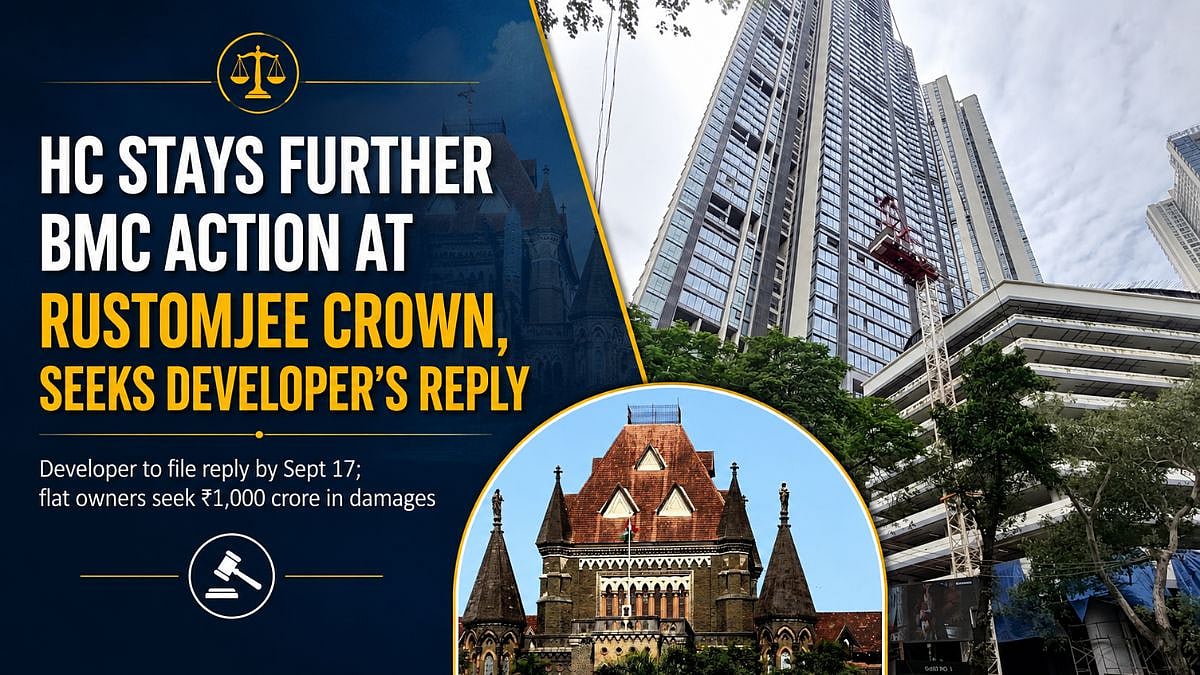
Bombay High Court Stays BMC Action at Rustomjee Crown
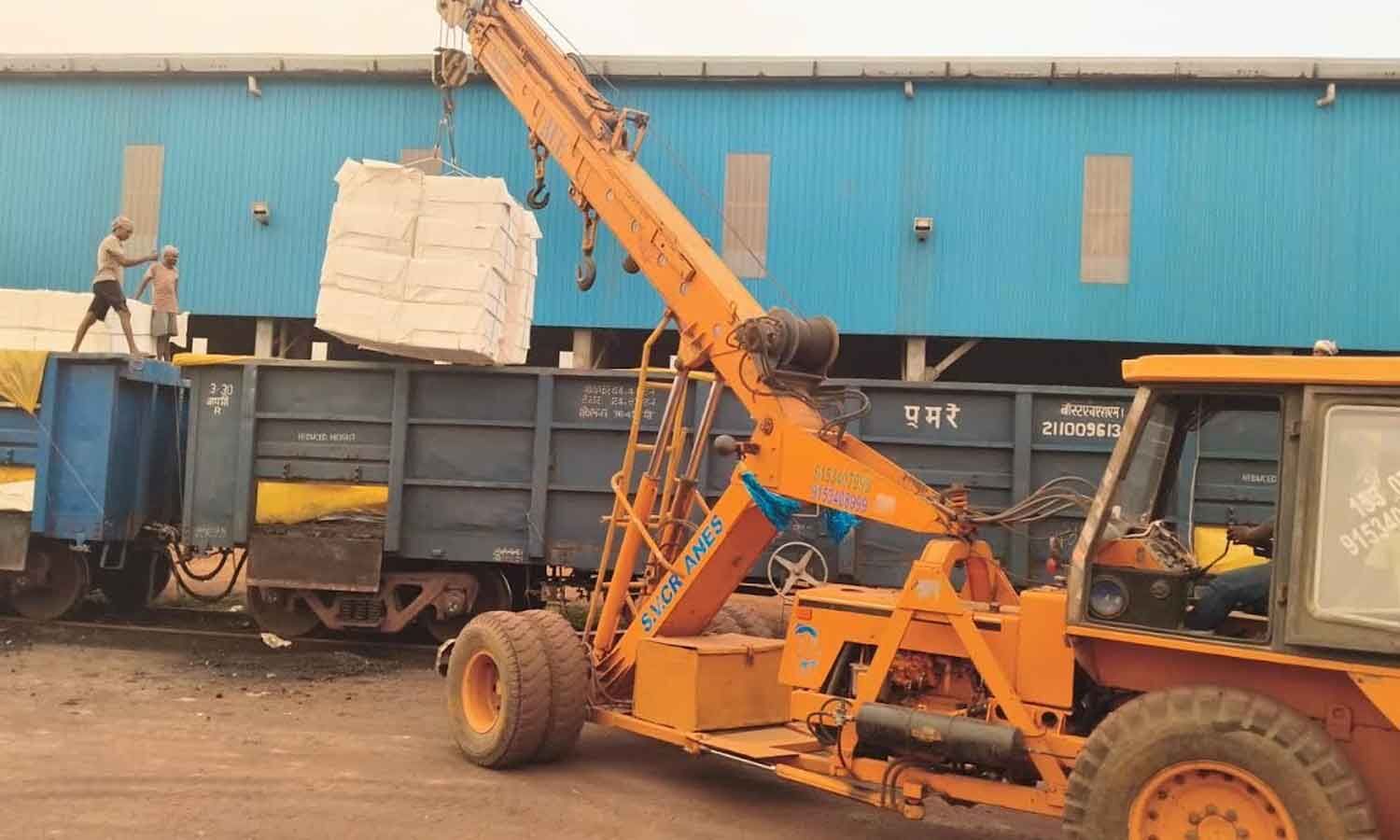
Wood pulp traffic shifts from road to rail

RBI Removes Maharashtra Minister From Latur Bank Board

Electrocution Deaths Raise Safety Concerns Over Kawal Tiger Translocation
