

3 weeks ago
Delhi NCR rains: roads turn into rivers, traffic collapses
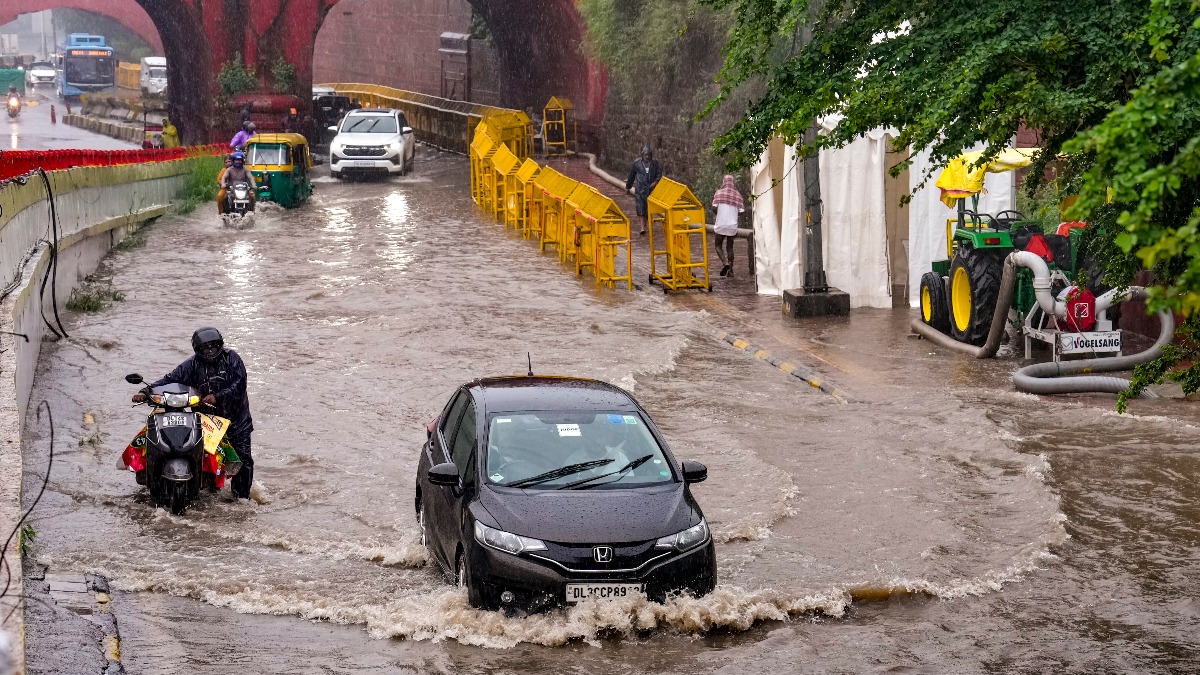
It rained very heavily for 12 hours in Delhi and nearby cities like Gurugram and Noida.
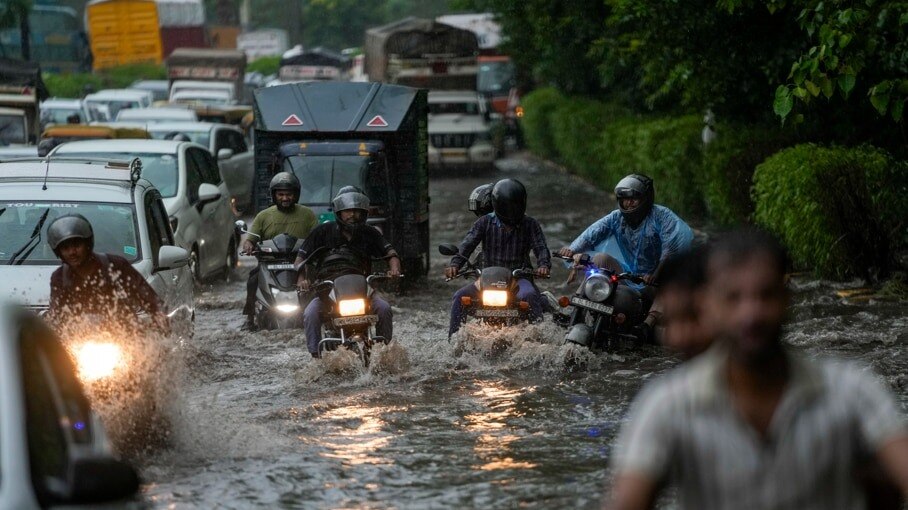
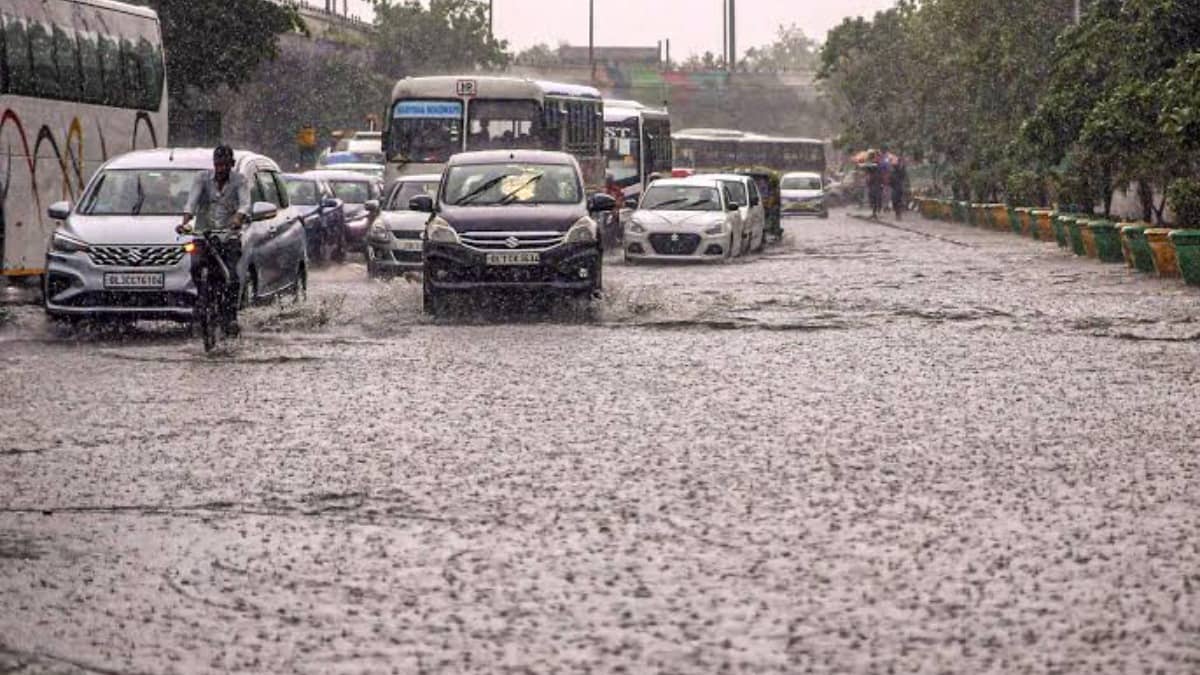
So much water fell that roads turned into rivers and traffic completely stopped.
Water got into houses, a hospital and even a metro station entrance.
In some areas the water was waist-deep, and children had to be carried across flooded lanes.
Two people sadly died when a building collapsed in Gurugram.
Many people said their short commutes took hours because of the water.
The weather office said an active monsoon trough caused the heavy rain.
Some residents said this flooding happens every year because drains are clogged and poorly maintained.
The minister in charge said the city is now better prepared and most flooded areas were in villages.
The rain is expected to ease from Saturday.

Delhi's Safdarjung station recorded 127 mm of rain by Friday morning, pushing the August total to 204.1 mm — about 90% of the month's normal rainfall.
Severe waterlogging hit MB Road, Kapashera, Safdarjung Hospital and Greater Kailash metro station, with roads turning into rivers across the city.
Two people were killed in a building collapse in Gurugram, which faced its third consecutive day of major flooding.
Noida and Greater Noida saw flooded roads, submerged underpasses and severe traffic snarls.
Residents blamed clogged drains and poor infrastructure, while minister Parvesh Verma defended preparations, saying major hotspots were cleared.
- Who
- Residents and commuters across Delhi NCR, the India Meteorological Department, and Delhi public works department minister Parvesh Verma
- What
- A 12-hour heavy downpour caused widespread waterlogging, traffic collapse, flooding of hospitals and metro stations, and disruption of power supply
- Where
- Delhi and the National Capital Region, including Gurugram, Noida and Greater Noida
- When
- Friday, after 12 hours of continuous rain; Gurugram faced its third consecutive day of major flooding
- Why
- An active monsoon trough brought the rainfall; residents also cited poor sewage and drainage infrastructure
Residents
Authorities
Cause of waterlogging
Residents
Flooding is due to poor sewage and drainage infrastructure, clogged drains, poor road design and years of inaction; complaints have repeatedly gone unheard.
Authorities
The heavy rain triggered the flooding; minister Parvesh Verma said preparation has changed and inundation was mainly in villages and rural areas where drainage projects are still underway.
Effectiveness of response
Residents
Even ambulances were stuck, main and arterial roads were waterlogged, power cuts worsened conditions, and complaints over multiple years fell on deaf ears.
Authorities
Waterlogging at major hotspots was resolved, and Verma posted that monsoon in Delhi no longer means waterlogging but is becoming synonymous with better management.
Key facts
- Rain at Safdarjung, Delhi
- 127 mm till 8:30 am Friday, plus 77.1 mm through the day
- Delhi August rain total
- 204.1 mm by 8:30 pm (~90% of normal monthly rainfall)
- Gurugram rainfall
- 172 mm over 72 hours till Friday
- Noida rainfall
- 39 mm in 24 hours till 8:30 am Friday
- Fatalities
- 2 people killed in a building collapse in Gurugram
- Complaints received
- Around 90 involving waterlogging, fallen trees, wall collapses and power outages
- Cause
- Active monsoon trough (per IMD)
- Forecast
- Rainfall expected to decline from Saturday, with light rain likely over the following two days
Quotes
Anantmala Potdar
Saket RWA president
“"Despite everyone being aware that waterlogging is an annual problem, our complaints over multiple years have fallen on deaf ears. Today again it has been a very big problem, with multiple main and arterial roads waterlogged."”
 businesstoday.in
“"Even ambulances were stuck. What usually takes me an hour to get to work took me at least three today. When I returned home, I realised my lane and my house were flooded."”
businesstoday.in
Sources
Related news

Delhi-NCR Flooded After Record Monsoon Rains Submerge Roads, Hospitals
Delhi Rain Floods Streets, Halts Traffic; IMD Issues Red Alert
Rain Chokes Delhi Roads: 81 Waterlogging Calls, 32 Fallen Trees
Delhi Records Wettest First Week of August in 15 Years
Delhi NCR Heavy Rains Cause Waterlogging as Gurugram Faces Gridlock
Heavy Rain Causes Waterlogging and Traffic Chaos Across South Delhi
Indian Courts and Officials Face Detention, Speech Controversies

Films Raise Awareness of Violence but Cannot End It
Teen Allegedly Gangraped on Moving Delhi Bus; Two Arrested
Allahabad High Court Quashes NSA Detention in Noida Protest Case

Noida Intensifies Bus Checks After Gang-Rape; Delhi, RTO Absent
