2 weeks ago
President Murmu Approves Tax and Payment Settlement System Amendments
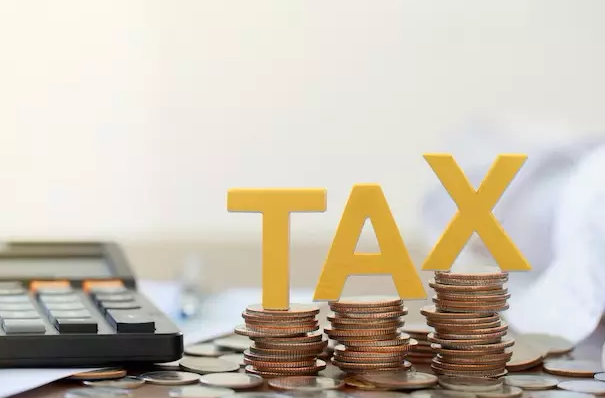
In India, the President, Droupadi Murmu, signed two new laws.
One law is about taxes.
It gives tax breaks to foreign companies that help make electronics like phones and laptops in India.
It also makes it easier for foreign companies to keep their money and use Indian data centres.
The other law is about digital payments, like paying with a phone.
In India, people use a system called UPI to send money without paying extra fees.
The new law lets the government decide which payments stay free.
The government says UPI will stay free for regular people.
Only some shop payments might have a small fee in the future.
This is meant to help more businesses and factories grow in India.

President Droupadi Murmu gave her assent to the Taxation and Other Laws (Amendment) Act, 2026, and an amendment to the Payment and Settlement Systems Act, 2007, on August 17, 2026.
Both bills were passed by Parliament on August 10, 2026.
The taxation Act aims to attract foreign capital, promote domestic electronics manufacturing, and provide process certainty for foreign cloud companies using Indian data centres.
The payments amendment gives the government legal backing to modify the zero-MDR framework on UPI and RuPay transactions through notifications.
Finance Minister Nirmala Sitharaman said UPI payments will remain free for consumers, with any future MDR applying only to certain merchant transaction categories.
- Who
- President Droupadi Murmu, who signed the Acts; Finance Minister Nirmala Sitharaman; Parliament; and the NPCI-headed UPI and Services Steering Committee.
- What
- Presidential assent to the Taxation and Other Laws (Amendment) Act, 2026, and an Act amending the Payment and Settlement Systems Act, 2007.
- Where
- India, with the assent announced in a gazette notification from New Delhi.
- When
- Assent was given on August 17, 2026; the bills were passed by Parliament on August 10, 2026.
- Why
- To attract foreign capital, promote domestic electronics manufacturing, provide process certainty for foreign cloud companies, and give legal backing to modify the zero-MDR framework on UPI and RuPay.
Key facts
- Assent Date
- August 17, 2026
- Parliament Passage
- August 10, 2026
- Key Legislation
- Taxation and Other Laws (Amendment) Act, 2026; Payment and Settlement Systems Act, 2007 amendment
- Policy Aims
- Attract foreign capital, promote domestic electronics manufacturing, process certainty for foreign cloud companies
- MDR Framework
- Government can notify which UPI/RuPay payment modes remain free of MDR charges; UPI stays free for consumers
- Electronics Tax Exemption
- Extended to 2040-41 for foreign companies using contract manufacturers in India
- Eligible Electronic Items
- Mobile phones, laptops, personal computers, tablets, servers and their key parts and accessories
- FPI Exemption
- Income tax exemption on interest income and capital gains from G-Secs; replaces the June 5 ordinance
Quotes
Finance Minister Nirmala Sitharaman
India's Finance Minister
“UPI payments will remain free for consumers, and any future merchant discount rate (MDR) will apply only to certain categories of merchant transactions.”
 deccanchronicle.com
Sources
Related news

India Tax Bill 2026 Reworks UPI Fees, Courts Foreign Capital

Taxation Amendment Bill 2026: UPI MDR Return, FDI Incentives Proposed

Lok Sabha passes Bill allowing UPI charges and tax breaks
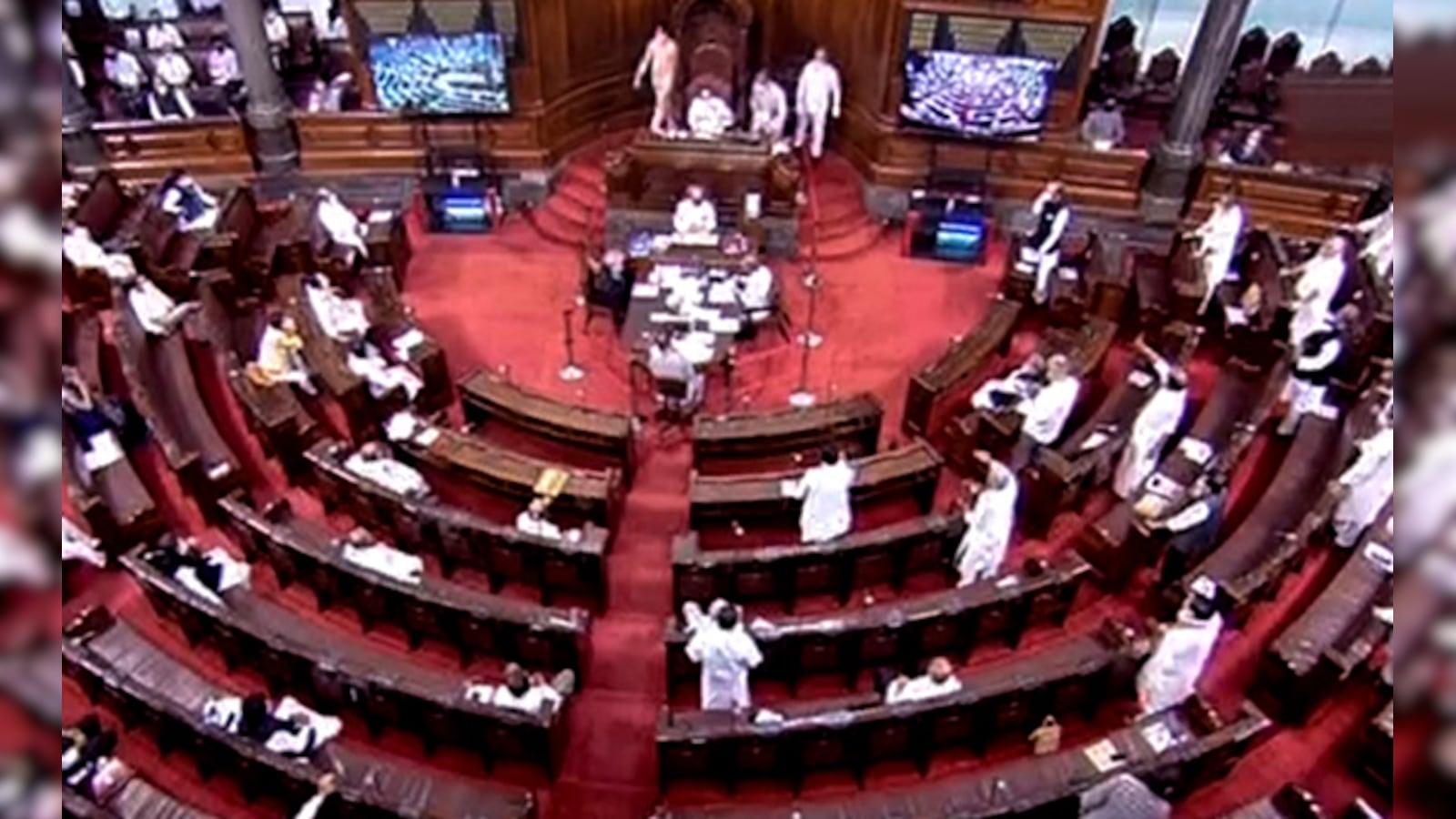
Parliament clears taxation bill; Sitharaman says UPI remains free
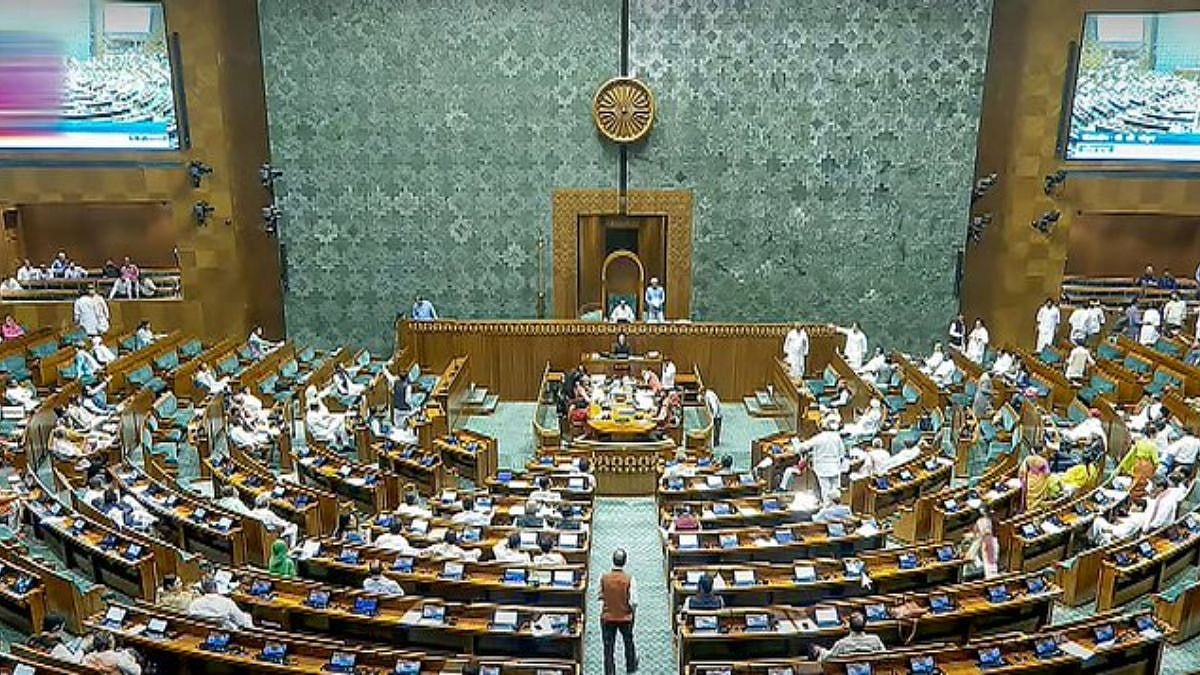
Lok Sabha passes Taxation and Other Laws Bill without debate
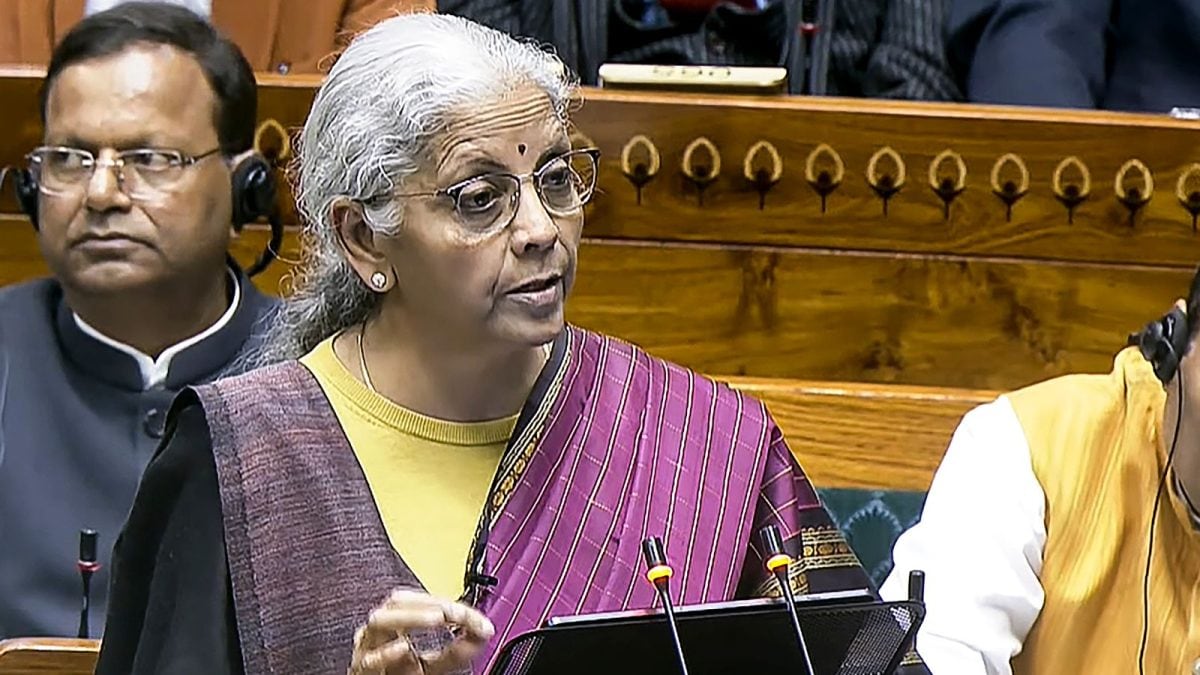
Lok Sabha Passes Taxation and Other Laws (Amendment) Bill, 2026

President Murmu to Present 2024 Adventure Awards Alongside Sports Honours

Retired Air Marshal Jeetendra Mishra Named Ram Mandir CEO

President Murmu Meets Over 90 Ganjam Folk Artistes

Farmers Detained in Tiruchirappalli Over Cauvery Water Dispute

Amit Thackeray Booked After Modi Portrait Removed In Pune