

3 weeks ago
Parliament clears taxation bill; Sitharaman says UPI remains free
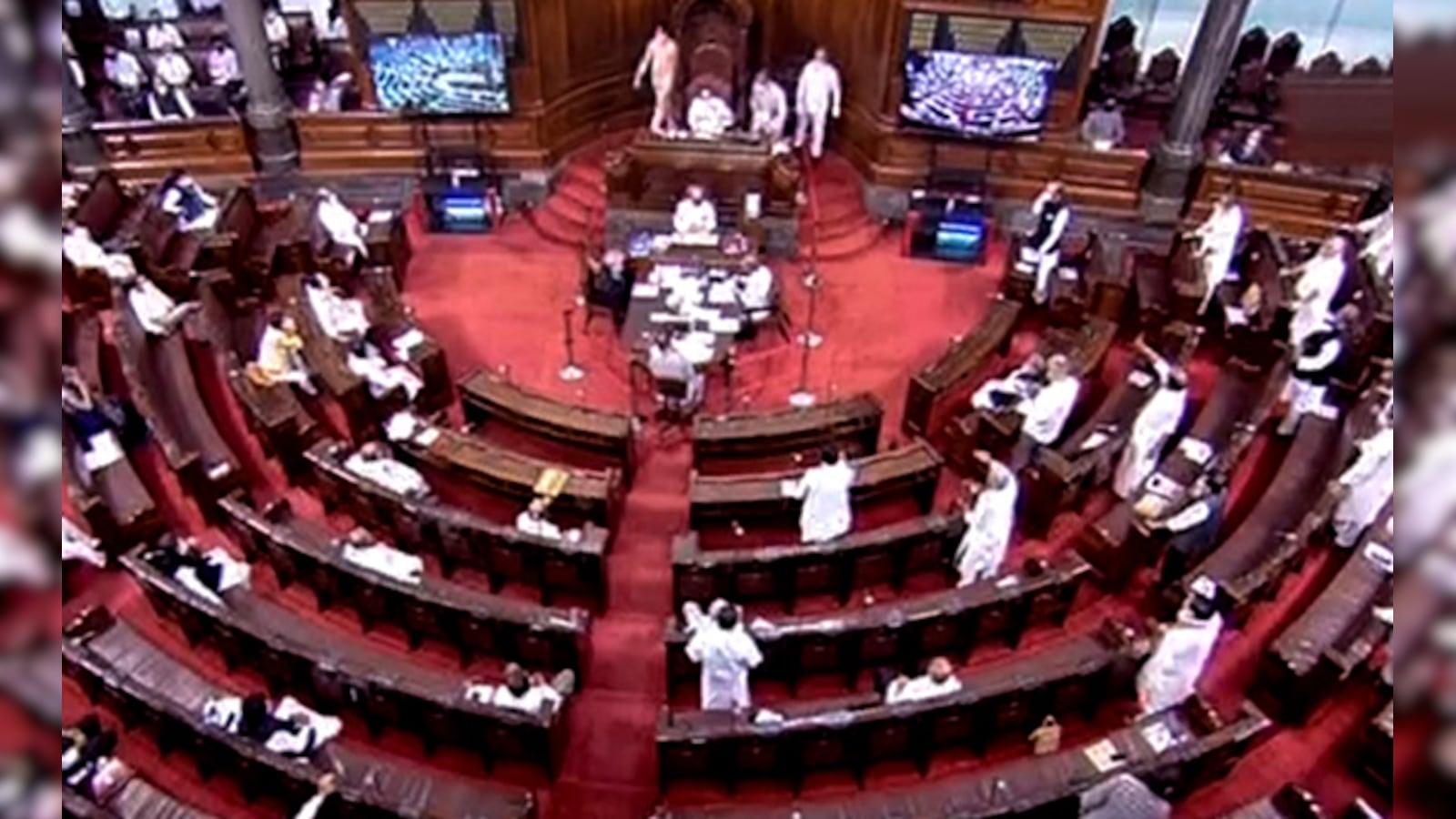
Parliament is the group of elected leaders in India who make laws for their country.
They just passed a new law called the Taxation and Other Laws (Amendment) Bill, 2026.
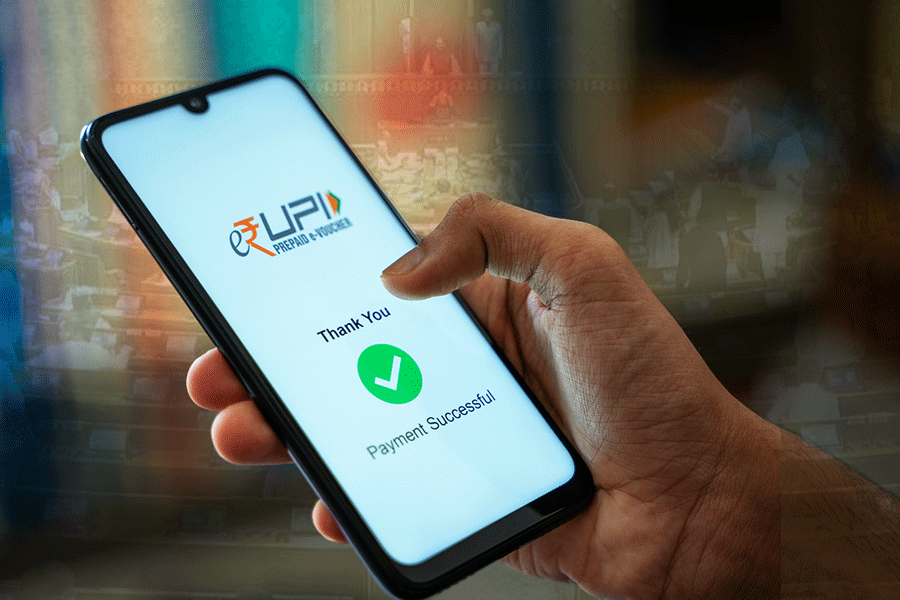
Some people were worried this law would make them pay money every time they use UPI, the phone-based system that lets people send money instantly.
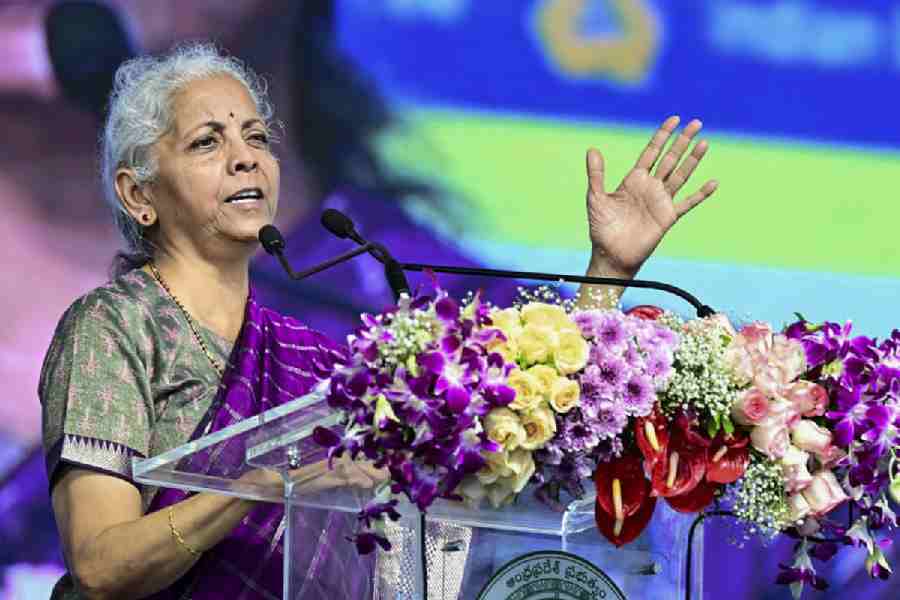
The Finance Minister, Nirmala Sitharaman, said not to worry — using UPI will stay free for everyone, just like it has been since it was launched.
There is also a fee called MDR that shops sometimes pay when processing digital payments, and the government has not decided whether to introduce it for UPI.
She promised that small shops and merchants will not be charged this fee either.
A committee led by the National Payments Corporation of India will discuss that question later.
The law also tries to bring more foreign money and businesses to India, such as making it easier for overseas companies to use Indian data centres.
So for now, sending money with UPI remains completely free for consumers and small merchants.

Parliament passed the Taxation and Other Laws (Amendment) Bill, 2026, after the Rajya Sabha cleared it by a voice vote on Monday (10 August).
Finance Minister Nirmala Sitharaman said the Bill imposes no tax or transaction charge on UPI, which remains free for consumers.
The Bill lets the central government specify, through notification, which electronic payment modes must remain free, giving legal backing to modify the zero-MDR framework for UPI and RuPay.
No Merchant Discount Rate (MDR) framework has been finalised; the NPCI-headed UPI and Services Steering Committee will decide whether to introduce one, and Sitharaman said small merchants will not be charged MDR.
The legislation also aims to attract foreign capital, promote domestic electronics manufacturing, ease foreign cloud firms' use of Indian data centres, and simplify conditions for fund managers relocating to India.
- Who
- India's Parliament and Finance Minister Nirmala Sitharaman; the NPCI-headed UPI and Services Steering Committee will consider future MDR decisions.
- What
- Parliament passed the Taxation and Other Laws (Amendment) Bill, 2026, which keeps UPI free for consumers and gives the government legal backing to decide which electronic payment modes must remain free of transaction charges.
- Where
- India — passed by the Rajya Sabha in Parliament by a voice vote.
- When
- Monday, 10 August, after the Lok Sabha had cleared the Bill the previous week.
- Why
- To provide legal flexibility over digital payment charges, attract foreign investment, promote domestic electronics manufacturing, and ease the use of Indian data centres by foreign cloud companies.
Key facts
- Bill
- Taxation and Other Laws (Amendment) Bill, 2026
- Status
- Passed by Lok Sabha last week; cleared by Rajya Sabha via voice vote on Monday
- UPI charges
- No tax or transaction charge; UPI remains free for consumers
- MDR framework
- Not finalised; UPI and Services Steering Committee (NPCI) to consider introduction
- Small merchants
- Sitharaman said no MDR will be imposed on them
- Key legal change
- Government can specify via notification which electronic payment modes must remain free
- Replaces
- June 5 ordinance granting income-tax exemptions to FPIs on G-Sec interest and capital gains
- Other measures
- Data-centre tax exemptions, global diamond-trading incentives, electronics manufacturing support, conditions for fund managers relocating to India
Quotes
Finance Minister Nirmala Sitharaman
Union Finance Minister of India
“"Will consumer pay any UPI charge – No. UPI has remained free for consumers since its launch and every Indian will continue to make this instant digital without paying any transaction charge."”
 livemint.com
 telegraphindia.com
“"Small merchants remain central to UPI's inclusive growth. We are not going to impose any MDR on them. We don't intend to."”
 NDTV
NDTV
Sources

Related news

Sitharaman: No UPI charges as Parliament clears tax Bill

Lok Sabha passes Bill allowing UPI charges and tax breaks

India Tax Bill 2026 Reworks UPI Fees, Courts Foreign Capital
Sitharaman clarifies UPI charges apply to merchants, not customers
Lok Sabha Passes Bill Enabling Future UPI MDR, Sitharaman Clarifies
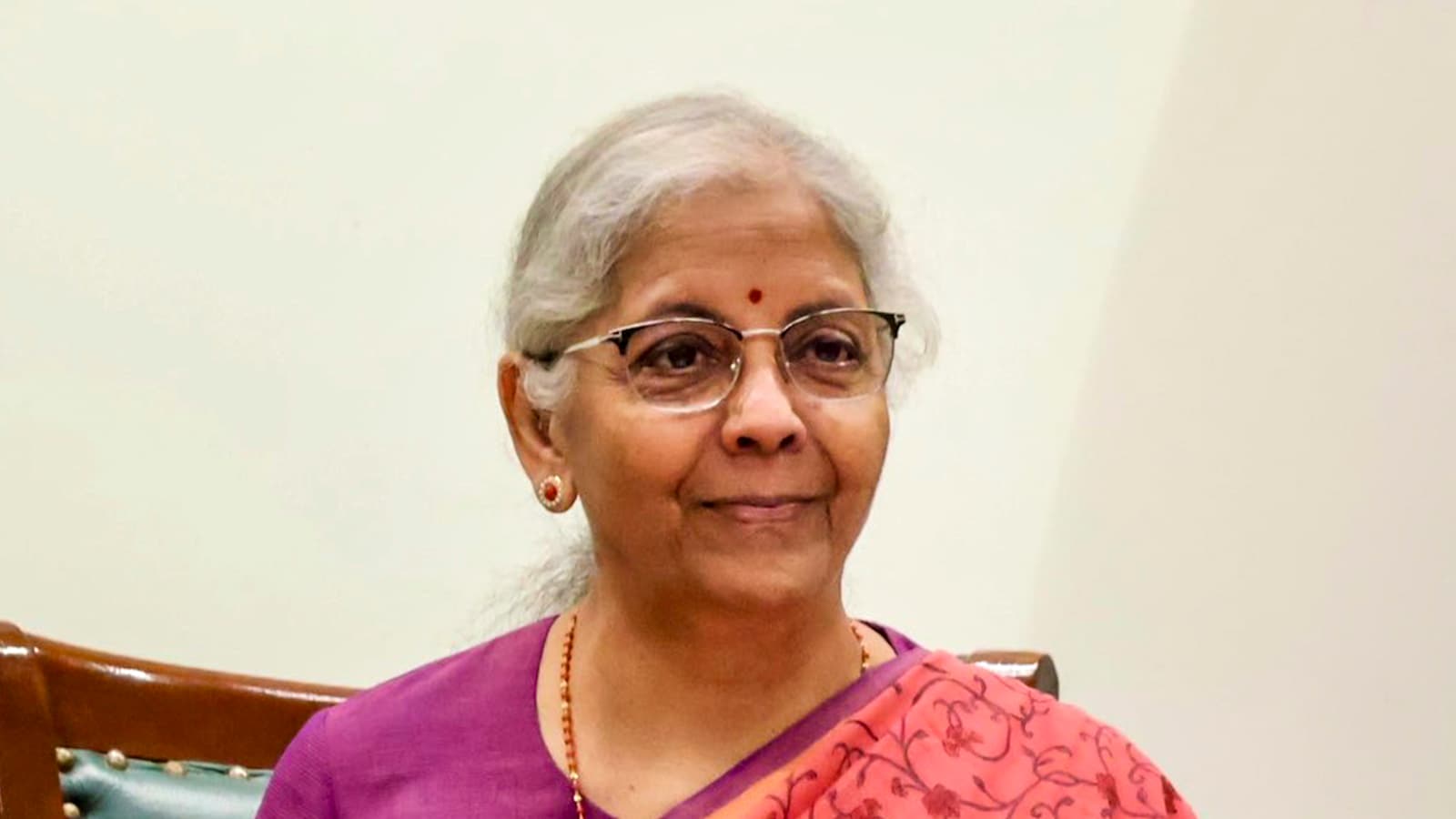
FM Sitharaman rejects UPI charge claims, accuses Ramesh of canard
India's 7.8% GDP Growth Sparks Questions Over Economic Reality
Congress Questions Haryana’s Falling Sex Ratio Despite Beti Bachao
Three Killed, Several Injured in Rewa Bus Collision

West Bengal Plans Mega Durga Puja Show at Eden Gardens
NVIDIA CEO urges Indian startups to build local AI economy
