

3 weeks ago
Lok Sabha passes Bill allowing UPI charges and tax breaks

The government of India passed a new law to change some money rules.
This law is called the Taxation and Other Laws (Amendment) Bill, 2026.
Right now, paying with UPI on your phone is free in India.
The new law could let banks and payment companies charge shopkeepers a small fee for UPI payments in the future.
But the law does not add any fee right now, so UPI stays free for the moment.
The government says this will help banks and payment companies earn money so digital payments can keep growing.
The law also gives tax breaks to foreign money managers who move to India.
It makes it easier to build data centres, which are big buildings full of computers.
There are also new tax rules for diamond sellers in Mumbai and Surat and for companies that make phones and laptops.
Some Opposition politicians were not happy because the law was passed without much discussion.

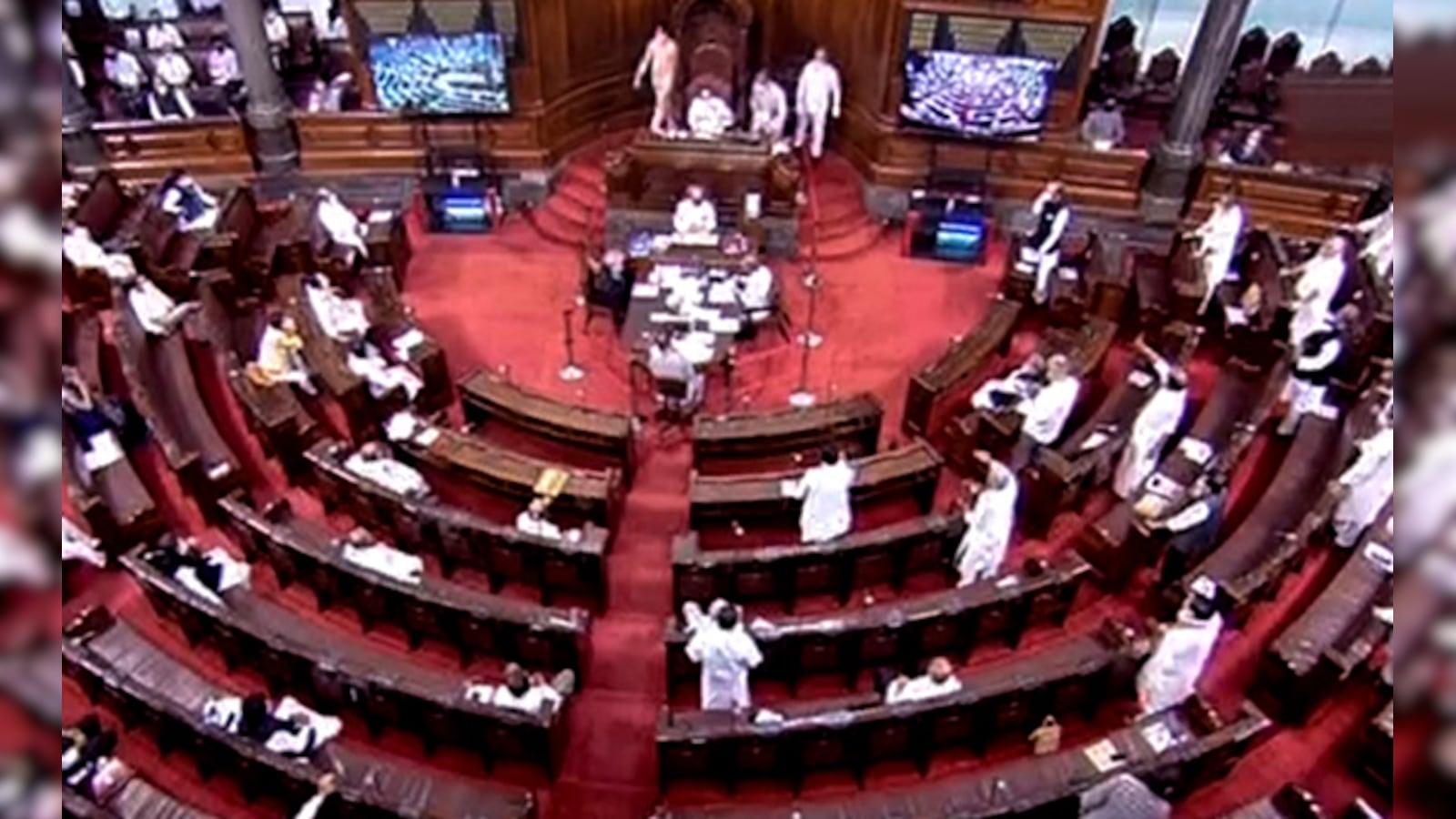
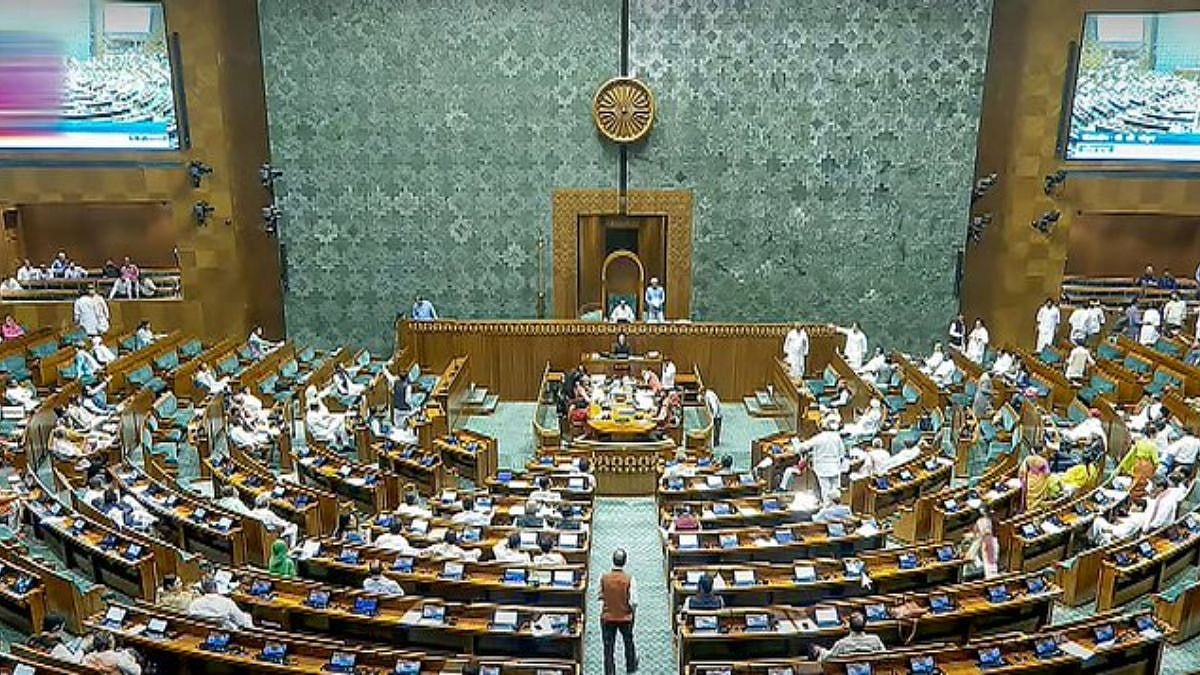
The Lok Sabha on 6 August passed the Taxation and Other Laws (Amendment) Bill, 2026 by voice vote amid Opposition protest.
The Bill removes legal provisions preventing banks and payment providers from charging Merchant Discount Rate on UPI and RuPay transactions, giving the government power to notify charges later.
No fee or MDR is introduced by the Bill itself, and UPI remains free for consumers for now.
The Bill replaces the June 5 Ordinance and also amends the Income Tax Act, 2025 and the Finance Act, 2026, including tax relief for FPIs investing in government securities.
Other provisions ease relocation of foreign fund managers to India, simplify data centre rules, and extend tax exemptions for diamond trade in Mumbai and Surat and for electronics component suppliers.
- Who
- Finance Minister Nirmala Sitharaman and the Lok Sabha, which passed the Bill by voice vote amid Opposition protest.
- What
- Passage of the Taxation and Other Laws (Amendment) Bill, 2026, amending the Payment and Settlement Systems Act, 2007, the Income Tax Act, 2025, and the Finance Act, 2026.
- Where
- Lok Sabha, India.
- When
- 6 August (the Bill was tabled in Lok Sabha on 4 August).
- Why
- To create a sustainable revenue model for banks and payment providers, attract global capital and fund managers, and simplify tax rules for data centres, diamond trade and electronics manufacturing.
Opposition and Consumer Critics
Government and Supporters
UPI merchant charges
Opposition and Consumer Critics
Critics say merchants could face increased costs if charges are introduced on UPI and RuPay payments, which may affect pricing and consumer behaviour after years of zero-charge digital payments.
Government and Supporters
The government says the change creates a sustainable revenue model for banks and payment service providers, ensuring the continuity and growth of India's digital payments ecosystem.
Passage of the Bill
Opposition and Consumer Critics
The Opposition protested the Bill being passed without any discussion amid din in the House.
Government and Supporters
The government moved the Bill in Lok Sabha and it was cleared by voice vote, with the aim of making India a more attractive and predictable place for global capital and business.
Key facts
- Bill
- Taxation and Other Laws (Amendment) Bill, 2026
- Status
- Passed by voice vote in Lok Sabha on 6 August amid Opposition protest
- Laws amended
- Payment and Settlement Systems Act, 2007; Income Tax Act, 2025; Finance Act, 2026
- UPI charges
- Zero-MDR bar removed; UPI and RuPay remain free until the government notifies charges; Bill itself introduces no fee
- Replaces
- June 5 Ordinance on income tax exemption for FPI interest income and capital gains from G-Sec investments
- Fund managers
- Fewer conditions for relocating to India; applies across the country including International Financial Services Centre
- Diamond trade
- 15-year tax exemption for foreign miners and connected traders selling rough diamonds in special zones in Mumbai and Surat
- Data centres
- Approval requirements removed; Indian data centres can run on leased basis, aimed at building 'AI data cities'
Sources
Related news
Parliament clears taxation bill; Sitharaman says UPI remains free

India Tax Bill 2026 Reworks UPI Fees, Courts Foreign Capital
President Murmu Approves Tax and Payment Settlement System Amendments

Lok Sabha passes Bill allowing UPI and digital payment charges
Lok Sabha passes Taxation and Other Laws Bill without debate

Taxation Amendment Bill 2026: UPI MDR Return, FDI Incentives Proposed

Auto Sector Eyes Up To 12% Growth In FY27

SBI Expects Nearly $10 Billion From NRI, Foreign Investors

NSUI Campus Campaign Draws Nearly 6,000 DU Suggestions
Union Ministers’ Lutyens’ Delhi Bungalow Upkeep Reaches Record ₹92 Crore

Road rage: bike rider beaten to death in UP's Hapur