3 weeks ago
India Tax Bill 2026 Reworks UPI Fees, Courts Foreign Capital

India's lawmakers, called the Lok Sabha, passed a big new tax law on August 6, 2026.
The law changes several older tax and payment rules at once.
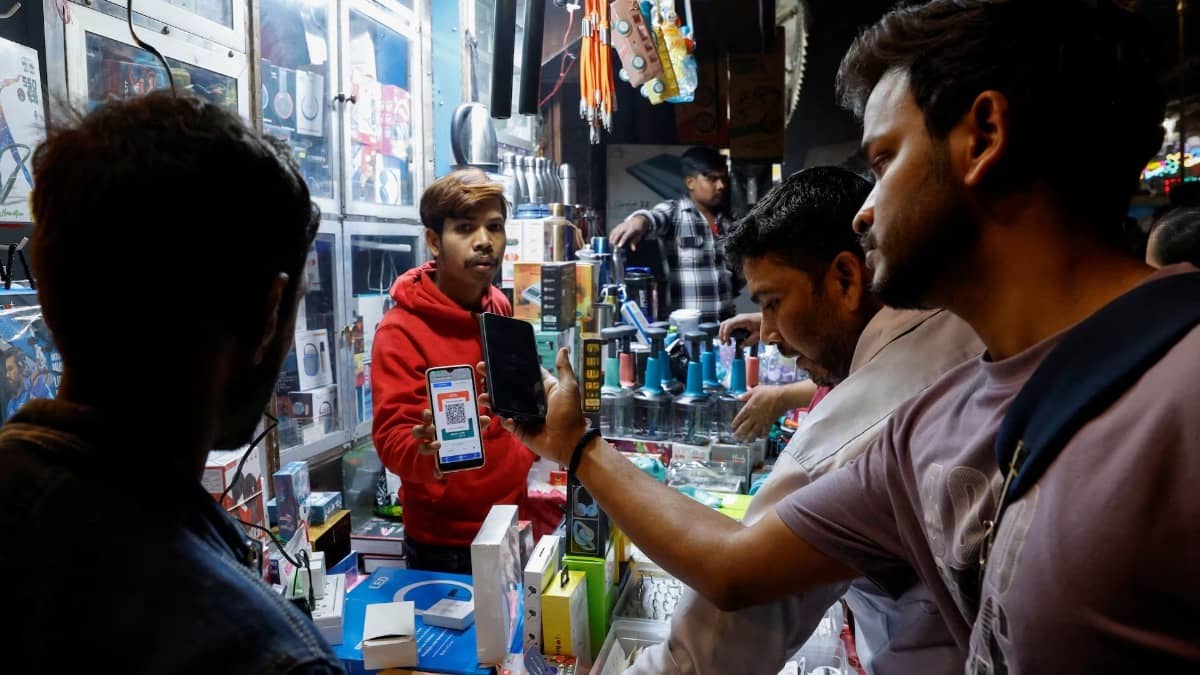
One change is about UPI, the way most people in India pay with their phones.
For years, shops did not have to pay any fee on UPI payments — something called zero MDR.
The new law lets the government decide later whether some digital payments will start to have fees.
The government says any fee would be paid by shops, not by shoppers, and an NPCI committee will decide the exact rates.
The law also gives big tax breaks to foreign companies that store electronic parts in India, to help build more electronics there.
Some people say this is unfair because small shops might face new charges while foreign investors get long tax breaks.
Others are also unhappy that such an important law was passed without a full debate.

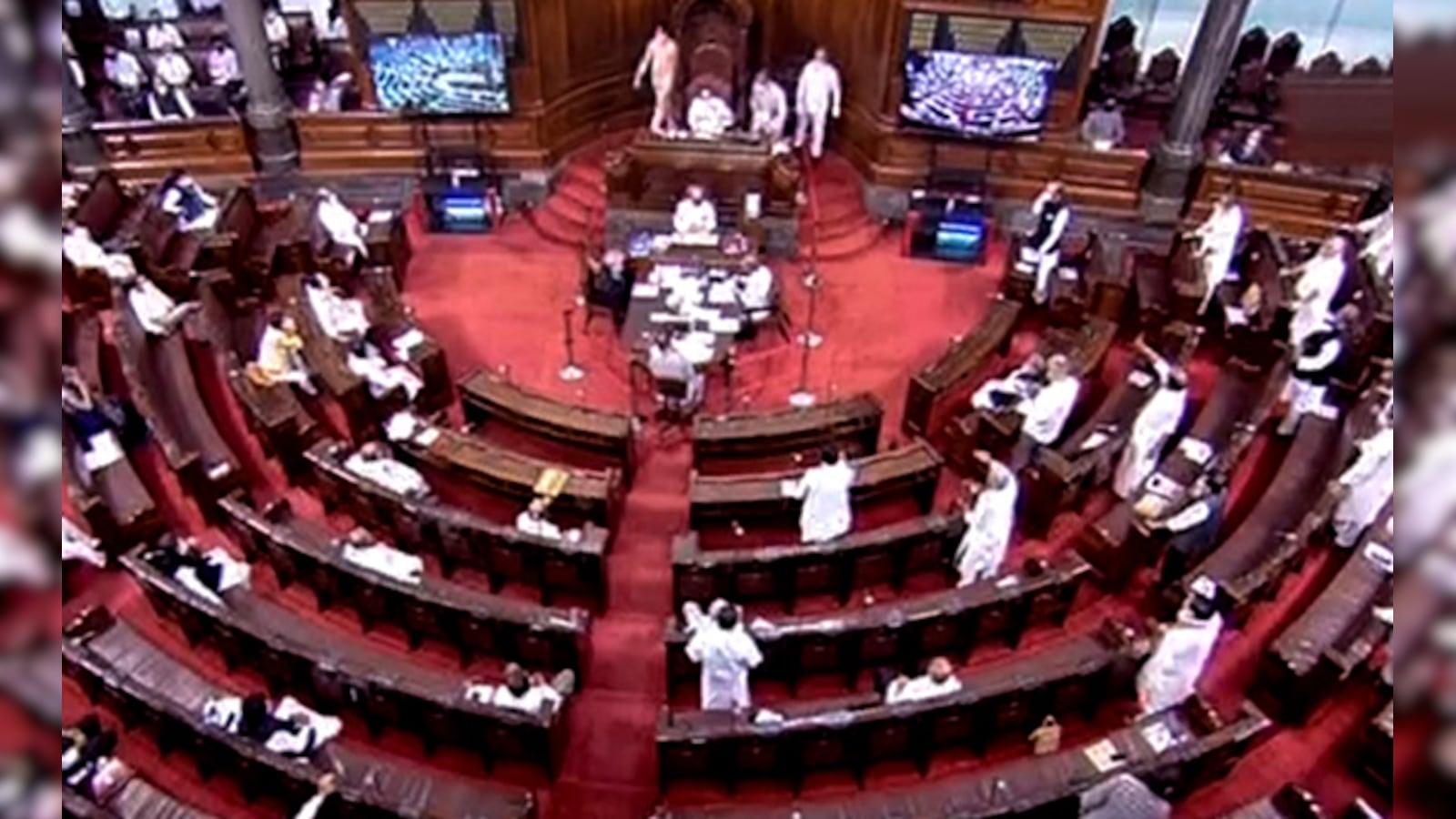
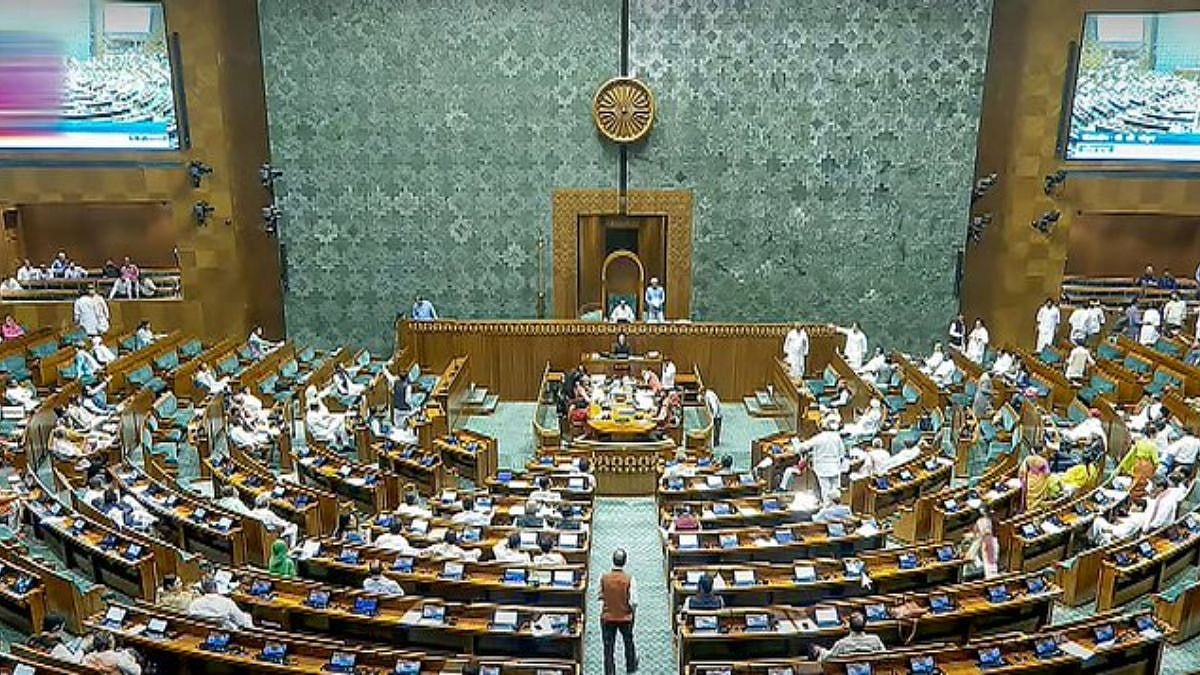
On August 6, the Lok Sabha passed the Taxation and Other Laws (Amendment) Bill, 2026 by voice vote, without a floor debate and amid opposition protests.
The Bill amends the Income-tax Act, 2025, the Finance Act, 2026 and the Payment and Settlement Systems Act, 2007, replacing a June 5 ordinance that exempted foreign investors in government securities from tax.
An amendment to Section 10A lets the central government notify which digital payment modes stay free or may attract charges, ending UPI and RuPay's statutory zero-MDR guarantee.
UPI processed 24,161.69 crore transactions worth Rs 314.23 lakh crore (about $3.56 trillion) in FY26, with 55.49 crore users as of June 2026.
The Bill cuts fund-manager eligibility conditions from 13 to 5 and grants foreign electronics companies a 15-year tax exemption, to 2041, for customs-bonded component storage.
- Who
- The Lok Sabha, acting on a Bill tabled by Finance Minister Nirmala Sitharaman, affecting UPI users, merchants and foreign investors.
- What
- Passed the Taxation and Other Laws (Amendment) Bill, 2026, which can end UPI's statutory zero-MDR guarantee and expands tax incentives for foreign capital.
- Where
- India's Parliament (Lok Sabha).
- When
- August 6, 2026; the Bill replaces a June 5 ordinance and was tabled on August 4.
- Why
- To simplify compliance, attract foreign capital and provide 'tax certainty' amid evolving geopolitical disruption to global trade.
Critics and Opposition
Government and Industry Advocates
Who bears the cost of digital payments
Critics and Opposition
Congress leader Jairam Ramesh and analysts warn that ending the statutory zero-MDR guarantee opens the door to charges that, though levied on merchants, tend to surface as price hikes, minimum-transaction thresholds or a return to cash, hurting small retailers with thin margins.
Government and Industry Advocates
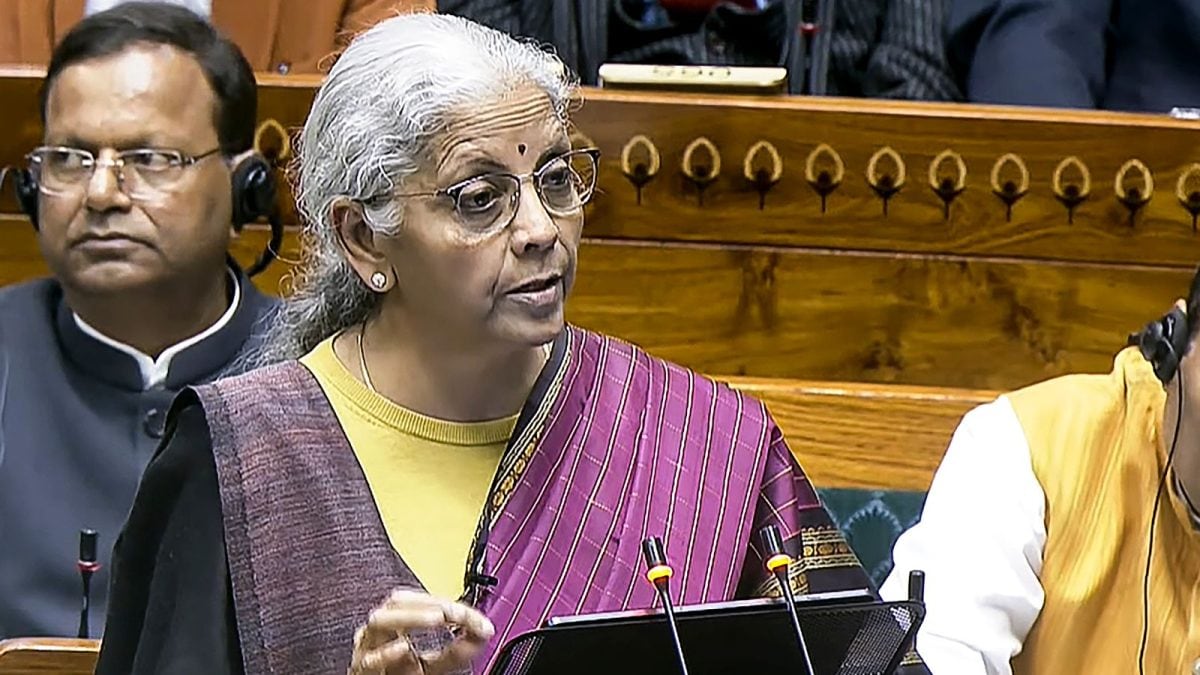
Finance Minister Nirmala Sitharaman says MDR by definition applies only to merchants, not customers, and that any actual rate will be decided later by an NPCI-led steering committee — not by this Bill.
Sustainability of the zero-MDR subsidy
Critics and Opposition
Supporters of the existing regime argue about 90 per cent of roughly 6 crore digital-accepting merchants are small and would be disproportionately hit by any new charge unless carefully tiered; they want a published rate framework, transition timeline and small-merchant carve-out.
Government and Industry Advocates
The Payments Council of India has argued for years that the subsidy model is unsustainable — outlays rose from Rs 1,389 crore in 2021-22 to Rs 3,631 crore in 2023-24 — and has formally petitioned the government to reconsider zero MDR.
Legislative process and foreign-capital focus
Critics and Opposition
Critics say a provision restructuring the payment habits of over 55 crore users was passed without debate, and domestic stakeholders did not get the same hearing as international investors; Ramesh also raised an unverified allegation of possible US pressure over India's zero-fee ecosystem undercutting American card networks.
Government and Industry Advocates
The government frames the Bill as simplifying compliance, attracting capital and providing 'tax certainty', arguing that capital-intensive supply chains require policy stability measured in decades to compete with Vietnam or Mexico for relocating factories.
Key facts
- Bill
- Taxation and Other Laws (Amendment) Bill, 2026
- Passed
- August 6, 2026, by Lok Sabha voice vote, without floor debate
- Finance Minister
- Nirmala Sitharaman
- MDR status
- Zero for UPI and RuPay since January 2020; Bill allows future charges by government notification
- UPI transactions (FY26)
- 24,161.69 crore, worth Rs 314.23 lakh crore (~$3.56 trillion)
- UPI users
- 55.49 crore (as of June 2026)
- Fund manager conditions
- Reduced from 13 to 5
- Electronics tax exemption
- 15 years, until 2041, for customs-bonded component storage
Quotes

Nirmala Sitharaman
Indian Finance Minister
“"MDR by definition applies to merchants, not customers."”
 indianexpress.com
Sources
Related news

Lok Sabha passes Bill allowing UPI charges and tax breaks

Taxation Amendment Bill 2026: UPI MDR Return, FDI Incentives Proposed
Parliament clears taxation bill; Sitharaman says UPI remains free
President Murmu Approves Tax and Payment Settlement System Amendments
Lok Sabha Passes Taxation and Other Laws (Amendment) Bill, 2026
Lok Sabha passes Taxation and Other Laws Bill without debate
India’s Banking AI Push Revives Old Technology Job Debate

UPI Accepted in 11 Countries, But Payments Vary
Axis Bank Adds Separate UPI Limits for Payment Categories

Credit Card Transactions Surge as Average Spending Falls in July
India Plans Agentic AI Payments Through Popular UPI Network