3 weeks ago
Mineral Rights Amendment Bill Sparks States' Revenue Concerns
India's national government wants to change the rules about mining rocks and minerals.
It made a new bill to make sure every mining company pays similar costs no matter which state they work in.
Mining companies like this because they can plan ahead when costs are clear and predictable.
But state governments, which own the land where minerals are found, are worried.
In 2024, a group of nine judges from India's Supreme Court said states can collect a payment called royalty from miners.
Royalty is money paid to the landowner for taking minerals away, not a tax.
The new bill says states cannot add their own taxes or extra charges on mineral rights anymore.
This means states could lose an important income stream the Supreme Court said was legal.
Some people say the national government should talk to the states first and pay them back for the lost money.

The Union government introduced the Mines and Minerals (Development and Regulation) (MMDR) Amendment Bill to prevent uneven taxation of mineral rights and mineral-bearing lands.
The bill aims to create a uniform, predictable cost structure and improve ease of doing business for mining companies across the country.
The bill states that no tax, cess, or other levy shall be imposed by state governments on mineral rights.
A nine-judge Supreme Court bench ruled in 2024 that royalty is not a tax and that states can collect it, as it is not restricted by the MMDR Act.
Critics say the bill overturns the Constitution Bench's judgment and denies states a revenue stream that the Supreme Court declared valid.
- Who
- The Union (central) government of India, which introduced the bill; state governments affected by it; and the Supreme Court of India, whose 2024 ruling the bill concerns.
- What
- The Mines and Minerals (Development and Regulation) (MMDR) Amendment Bill, which bars states from imposing taxes, cess, or other levies on mineral rights in favour of a uniform national fiscal regime.
- Where
- India.
- When
- No specific date is given for the bill; the related Supreme Court nine-judge bench ruling came in 2024.
- Why
- To create a predictable and stable cost structure for mining companies and prevent uneven taxation of mineral rights and mineral-bearing lands.
States' Rights
Centre's Uniform Taxation
State levies on mineral rights
States' Rights
States should keep collecting royalties and other charges on mineral rights, which a nine-judge Supreme Court bench considered non-tax revenues they are entitled to; the bill wrongly snatches away this validated revenue stream.
Centre's Uniform Taxation
Allowing states to levy varied taxes and cesses creates uneven taxation; a uniform national rule gives mining companies a predictable cost structure across the country.
Process and compensation
States' Rights
The Centre should consult states and build consensus before overriding their revenue powers by force of law, and should compensate states for the loss caused by this law.
Centre's Uniform Taxation
The Centre has constitutional authority under Entry 54 of the Union List to impose limitations by law on states' power to tax mineral extraction.
Key facts
- Bill
- Mines and Minerals (Development and Regulation) (MMDR) Amendment Bill
- Objective
- Prevent uneven taxation of mineral rights and mineral-bearing lands
- Key provision
- No tax, cess, or other levy shall be imposed by state governments on mineral rights
- 2024 Supreme Court ruling
- Nine-judge bench ruled royalty is not a tax and states can collect it
- Constitutional provisions
- Entry 50, State List (state power to tax mineral extraction); Entry 54, Union List (state power subordinate to Centre)
- Stated benefits
- Certainty, stability and predictability in the mineral sector's fiscal regime
- Main criticism
- Overturns the Constitution Bench judgment and denies states a Supreme Court-validated revenue stream
Quotes

Supreme Court
Nine‑judge bench of the Indian Supreme Court
“"no tax, cess or such other levy (by whatever name called) shall be imposed by the state government on mineral rights"”
 deccanchronicle.com
“"royalty is not a tax"”
deccanchronicle.com
Sources
Related news
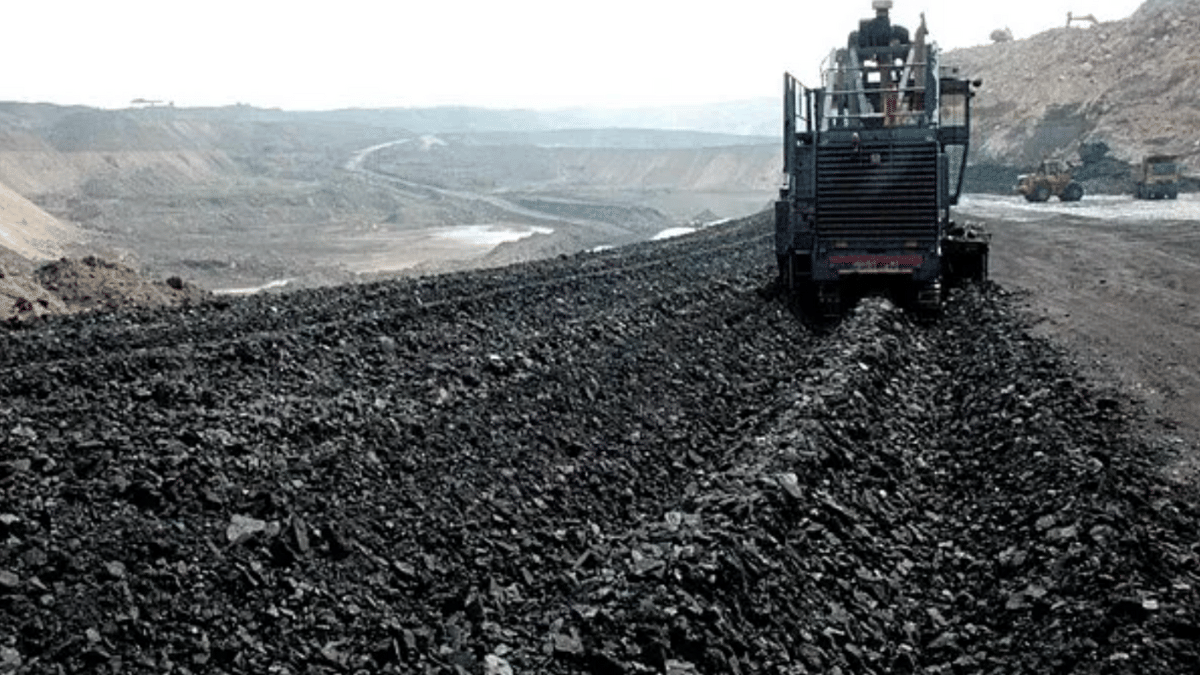
Centre Bars States From Levying Taxes on Mineral Rights

India Bill Bars States From Taxing Mines and Mineral Rights
India Bill Bars States From Taxing Mineral Rights and Land
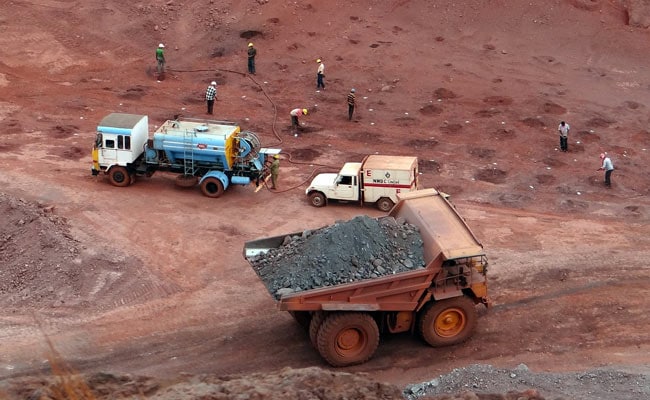
Lok Sabha Passes Mineral Bill Curbing State Taxing Powers
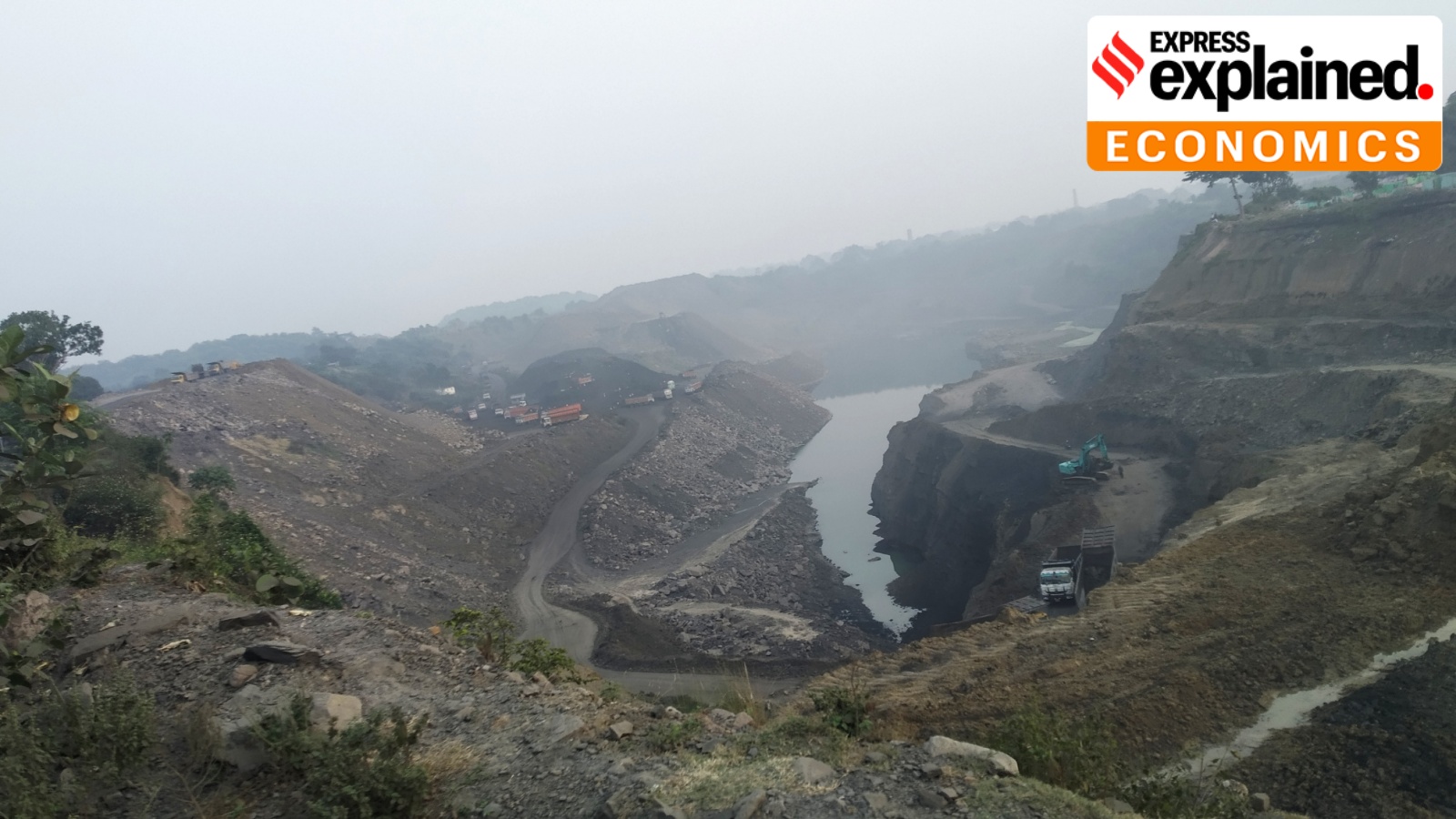
India's mining tax overhaul reignites Centre-state tussle over revenue
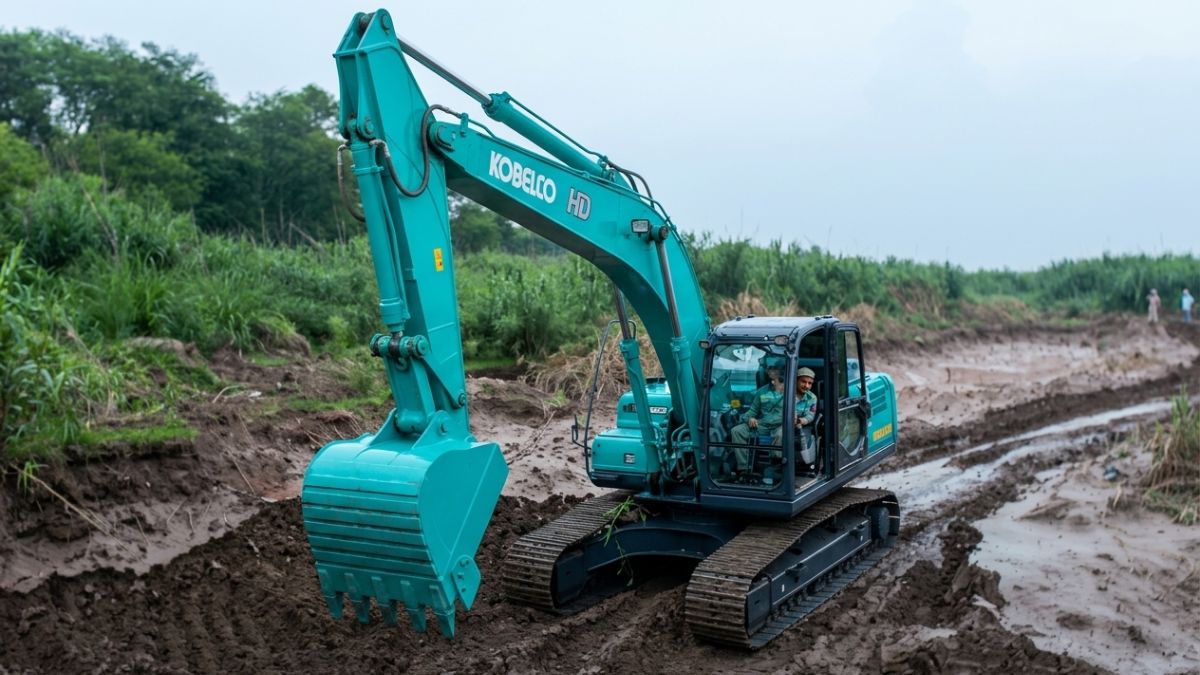
Parliament passes Minerals Bill barring state taxes on mineral leases

PUCL Urges CJI Action Over Rajasthan High Court Allegations

Supreme Court Questions IPS Deputation for CAPF Leadership Positions

Supreme Court Quashes 20-Year Conviction, Reaffirms Juvenile Legal Protections

Two Years After RG Kar Doctor's Rape-Murder, Case Remains Unresolved

ED widens Chhattisgarh probes with two arrests and searches