10 hrs ago
India’s Dollar Windfall Creates a Rs 15 Trillion Liquidity Problem
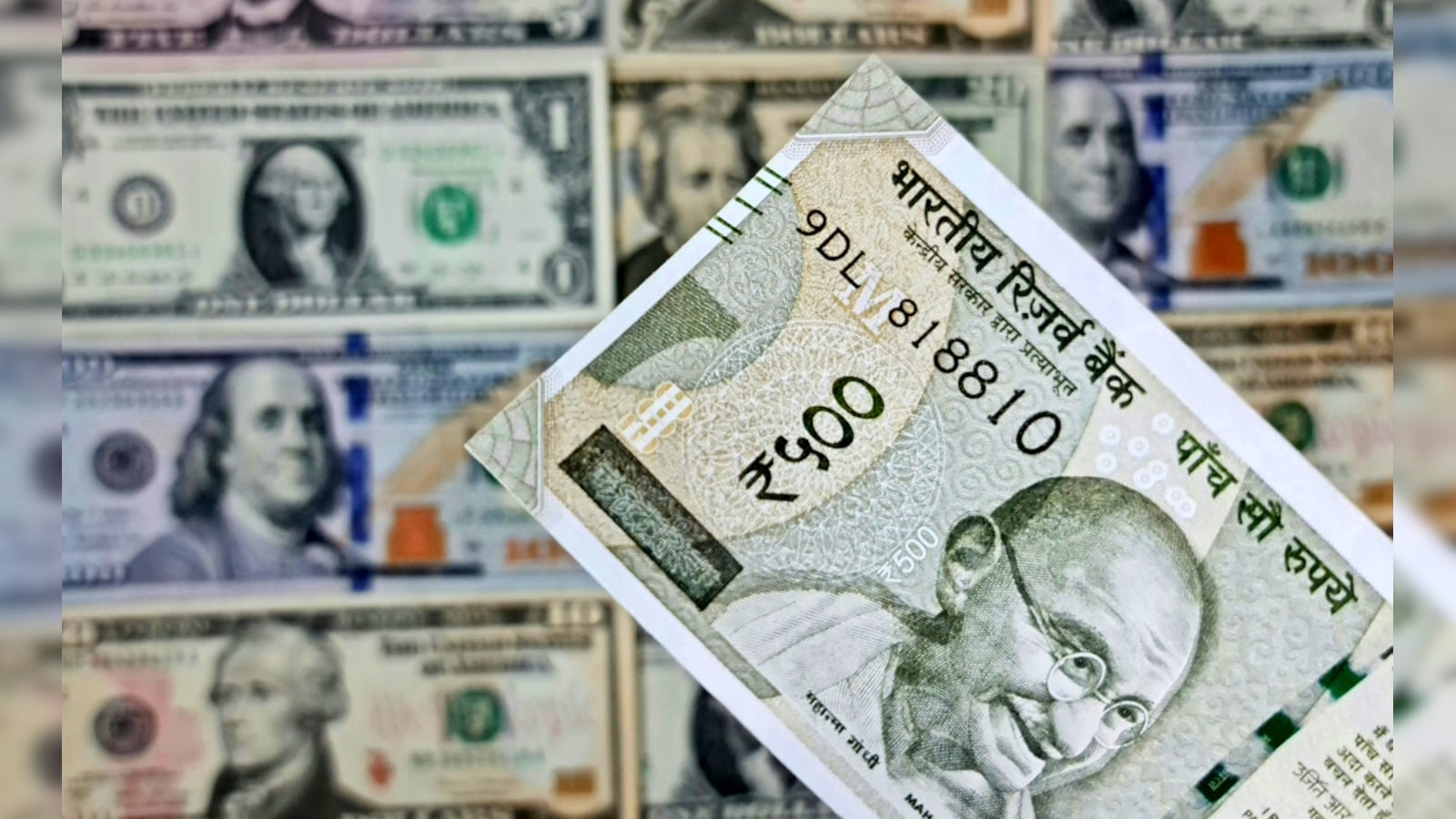
India encouraged banks to collect dollars from people and businesses living abroad.
This brought in about $128 billion and made India’s foreign-currency safety cushion stronger.
The central bank exchanged many of those dollars for rupees.
That put an estimated Rs 14–15 trillion of extra rupees into Indian banks.
Banks do not always want to lock this money away for 30 days because their daily needs and interest rates can change.
The Reserve Bank of India can use several tools to remove the extra money.
Some tools are temporary, while others could affect banks, government borrowing costs, or the central bank’s finances.
If the extra money remains for a long time, it could make borrowing easier and affect credit and asset markets.
The article says the main challenge is deciding who should bear the cost of reducing the surplus.

Indian banks raised roughly $128 billion through overseas deposits, strengthening the country’s foreign-exchange position.
Much of the foreign currency was swapped with the Reserve Bank of India for rupees, creating an estimated Rs 14–15 trillion liquidity surplus.
Banks bid for only about Rs 2.59 trillion in the RBI’s Rs 7 trillion, 30-day variable rate reverse repo operation.
Dollar-rupee sell-buy swaps can absorb rupees without immediately pressuring government bond yields, but the liquidity returns when swaps mature.
The RBI must weigh temporary operations against tools such as higher reserve requirements, bond sales, or the Market Stabilisation Scheme.
- Who
- The Reserve Bank of India, Indian banks, and the authors of the opinion article.
- What
- A large foreign-currency deposit campaign has strengthened India’s external position but produced an estimated Rs 14–15 trillion domestic liquidity surplus.
- Where
- India’s banking and money markets, including the domestic banking system and foreign-exchange market.
- When
- The article discusses the recent deposit surge and recent and possible upcoming RBI liquidity operations; it gives no specific publication date.
- Why
- The deposits were mobilized to strengthen India’s external buffer, while the RBI must now manage the rupees created when the foreign currency was exchanged.
Temporary Flexibility
Longer-Term Absorption
How to manage the surplus
Temporary Flexibility
Temporary tools such as variable rate reverse repos and dollar-rupee sell-buy swaps let banks retain flexibility and avoid immediate pressure on government bond yields.
Longer-Term Absorption
If the surplus persists, the RBI may need more durable measures, such as a higher cash reserve ratio, open-market sales, or the Market Stabilisation Scheme.
Effect of dollar-rupee swaps
Temporary Flexibility
Swaps can absorb rupees without requiring the RBI to immediately sell government securities and may help manage its forward foreign-exchange position.
Longer-Term Absorption
Swaps are temporary: the rupees return when they mature unless the RBI rolls them over or uses another instrument, potentially creating a continuing management process.
Distribution of costs
Temporary Flexibility
Variable rate reverse repos and swaps preserve bank flexibility and avoid immediate disruption to bond markets, although the RBI or forward market may bear related costs.
Longer-Term Absorption
More permanent absorption can restrain bank balance sheets or raise sovereign yields, while the Market Stabilisation Scheme places interest costs on the public balance sheet.
Key facts
- Foreign-currency deposits
- Indian banks raised roughly $128 billion through overseas deposits.
- Estimated liquidity surplus
- Rs 14–15 trillion in the domestic banking system.
- RBI absorption operation
- A 30-day variable rate reverse repo operation targeted Rs 7 trillion.
- Bank bids
- Banks bid for approximately Rs 2.59 trillion in that operation.
- Potential liquidity tool
- Dollar-rupee sell-buy swaps absorb rupees temporarily and reverse the transaction at maturity.
- Other options
- Possible tools include a higher cash reserve ratio, open-market sales, the Market Stabilisation Scheme, and further reverse repos.
- Central concern
- Persistent surplus liquidity could weaken monetary transmission and support credit, non-bank lending, or asset markets.
Sources
Related news
RBI Meets Banks as Liquidity Surplus Nears ₹10 Lakh Crore
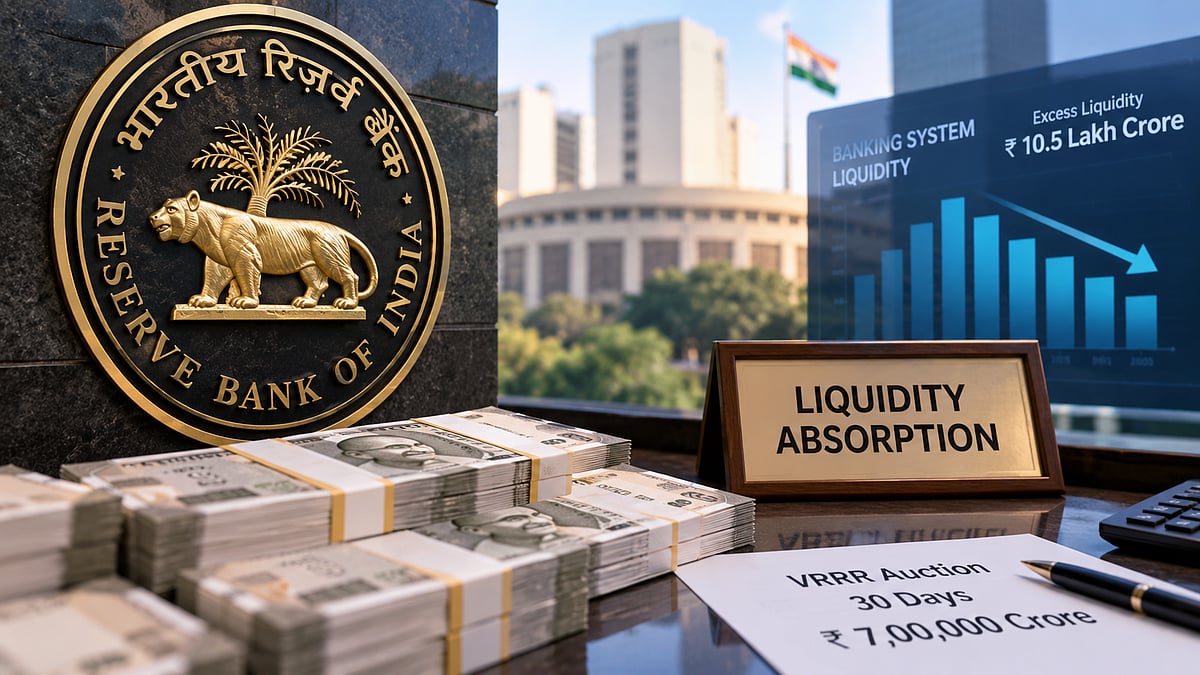
RBI Plans ₹7 Lakh Crore Liquidity Absorption Amid Cash Glut
RBI Struggles to Drain Surging Liquidity From Banks

RBI Announces ₹1 Trillion Bond Sales Amid Liquidity Surplus
RBI Absorbs ₹6.02 Lakh Crore as Record Liquidity Surges

Applying to STEM Programmes Abroad? How GRE Strengthens Applications

Study Favors Dog Vaccination Over Childhood Rabies Shots

Kalyan MP Shrikant Shinde Begins Second Master’s at LSE

Zeelab Targets ₹200 Cr Through Owned Stores And Omnichannel Growth