2 hrs ago
Study Favors Dog Vaccination Over Childhood Rabies Shots
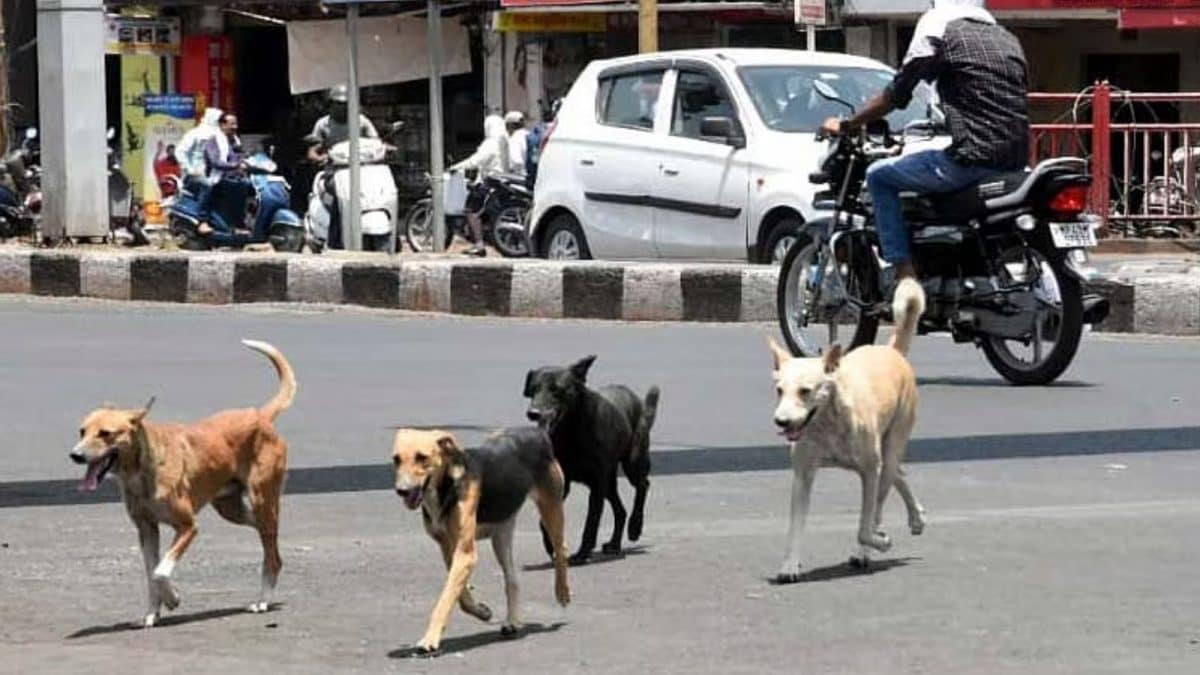
Rabies is a deadly disease that can spread from infected animals to people.
A new study examined ways to stop rabies deaths in Kerala.
It found that vaccinating many dogs may work better than giving rabies vaccines to every child.
Vaccinating 70 percent of the dog population could make human deaths nearly disappear in about three years.
Giving every child preventive vaccines would cost much more and prevent fewer deaths.
Kerala already provides treatment to people after they are bitten by animals.
Some remote or high-risk communities could still benefit from preventive vaccines for children.
The study also says there may be many more street dogs than official records show.
Counting and vaccinating these dogs could be important for ending rabies deaths.

A study says vaccinating 70% of Kerala’s dogs could bring human rabies deaths near zero within about three years.
Routine rabies pre-exposure vaccination for all children could cost an additional $10 million while preventing fewer than 10 deaths over a decade.
Researchers say Kerala’s existing access to post-exposure treatment limits the added benefit of universal childhood vaccination.
Using the World Health Organization’s one-week post-exposure regimen could save Kerala $6.3 million over 10 years without compromising safety.
The study estimates Kerala may have roughly 2.3 million free-roaming dogs, up to five times the official census figure.
- Who
- Researchers from the University of Glasgow, the London School of Economics, Kerala University of Health Sciences, and Kerala health directorates conducted the study.
- What
- The study compared public health strategies for eliminating human rabies deaths, including dog vaccination, childhood pre-exposure vaccination, and post-exposure treatment.
- Where
- Kerala, India.
- When
- The interventions were evaluated for 2026–2035; the findings were reported on September 10, 2026.
- Why
- The research sought to identify the fastest and most cost-effective way to reduce human rabies deaths to zero.
Routine Childhood Vaccination
Mass Dog Vaccination
Public health priority
Routine Childhood Vaccination
Supporters could argue that vaccinating children offers direct protection, especially in isolated, high-risk, or remote tribal communities where emergency treatment may be delayed.
Mass Dog Vaccination
The study favors vaccinating dogs because it addresses the animal source of transmission and protects communities more broadly.
Cost and effectiveness
Routine Childhood Vaccination
Universal childhood pre-exposure vaccination would add protection, but the study estimates it would cost $10 million and prevent fewer than 10 additional deaths over a decade.
Mass Dog Vaccination
Vaccinating 70% of dogs is projected to reduce human deaths to near zero within about three years, while a shorter post-exposure treatment regimen could also reduce costs.
Key facts
- Recommended strategy
- Vaccinate 70% of Kerala’s dog population.
- Projected outcome
- Human rabies fatalities could fall to near zero in approximately three years.
- Universal childhood PrEP cost
- An estimated additional $10 million, or more than Rs 83 crore, over a decade.
- Deaths prevented by childhood PrEP
- Fewer than 10 additional human deaths over 10 years.
- Potential treatment savings
- $6.3 million, reported as Rs 58 crore, over 10 years using the WHO one-week regimen.
- Estimated free-roaming dog population
- Approximately 2.3 million dogs, potentially up to five times the official census estimate.
- Exception for childhood PrEP
- It may remain useful for isolated, high-risk, or remote tribal communities with delayed emergency-care access.
Sources
Related news

KDMC Launches Citywide Anti-Rabies Drive Targeting 60,000 Stray Dogs

Chennai launches anti-rabies drive to vaccinate two lakh stray dogs
Chennai Vaccinates Over 22,000 Stray Dogs in Eight-Day Drive
WHO Confirms Bhutan First South-East Asian Rabies-Free Nation

Khandwa Opposition Protests ₹40 Lakh Sterilisation Spend Over Dog Bites
Bhutan Eliminates Dog-Transmitted Rabies; Experts Urge Prompt Action

Natural Sugars May Have Fueled the Evolution of Bigger Brains

Race, Media Scrutiny, and the Death of Jason Arday

IIM Indore Launches Global Leadership Program in Scotland

King Charles and Queen Camilla Make TARDIS Entrance at Commonwealth Games 2026