2 days ago
India’s Sugar Shortage Exposes Tensions Between Food And Energy

India may not have enough sugar to comfortably meet demand during the festive season.
Sugarcane crops were damaged by unusual weather and disease.
Sugar production is now lower than officials first expected.
India had already allowed sugar exports before the shortage became clear.
It is now allowing up to one million tonnes of sugar to be imported without duty.
Some people also bought or stored sugar, which may have pushed prices higher.
E20 is a fuel policy that uses more sugarcane to make ethanol.
The government says less cane has recently been diverted to ethanol.
The article says India should coordinate fuel, food and trade policies more carefully.

India’s sugar production has fallen below earlier expectations while domestic consumption remains near total output.
The country permitted substantial sugar exports before the shortfall became clear.
India has now allowed duty-free imports of up to one million tonnes, reversing its earlier export policy.
Erratic rainfall, dry spells, excessive rain, disease, hoarding and speculative buying have worsened supply and prices.
The article says E20 did not necessarily cause the shortage but may have reduced flexibility during a poor harvest.
- Who
- India’s government, sugar producers, consumers and ethanol-policy decision-makers are involved.
- What
- A sugar supply shortfall has prompted India to permit duty-free imports of up to one million tonnes after earlier exports.
- Where
- India, including important sugar-producing states whose crops were affected.
- When
- The issue is emerging during the current sugar season and ahead of the festive season.
- Why
- Lower production, weather damage, disease, possible hoarding and speculative buying, export decisions and competing ethanol demand have tightened supplies.
Policy Critique
Government Rationale
E20 and sugar supplies
Policy Critique
E20 may not have caused the shortage, but diverting sugarcane to ethanol can reduce the buffer available when harvests are poor.
Government Rationale
The government says the share of sugarcane diverted to ethanol has fallen, and E20 supports legitimate energy-security goals.
Sugar trade policy
Policy Critique
Allowing exports based on optimistic production estimates and then requiring imports suggests forecasting and policy coordination failed.
Government Rationale
The government’s import decision is intended to protect domestic supplies and help address the immediate shortage.
Response to the shortage
Policy Critique
India should adjust ethanol allocations, restrict exports when stocks fall and independently review crop estimates.
Government Rationale
The article does not present a direct government response to these proposed safeguards, but it identifies food supply protection and energy security as simultaneous policy objectives.
Key facts
- Import allowance
- Up to one million tonnes of sugar may be imported duty-free.
- Policy reversal
- India moved from permitting substantial exports to allowing imports within the same season.
- Domestic demand
- Domestic sugar consumption remains close to total production.
- Crop pressures
- Erratic rainfall, dry spells, excessive rain and disease damaged sugarcane crops.
- Market pressures
- Hoarding and speculative buying may have aggravated the price increase.
- Ethanol policy
- The article says E20 creates competing demand for sugarcane, although the government says the share diverted to ethanol has fallen.
- Proposed safeguards
- The article recommends tighter export controls, adjustable ethanol allocations and strategic sugar reserves.
Sources
Related news

India’s Ethanol Push Raises Questions About Sugar Supplies

India’s Sugar Prices Rise as Ethanol Policy Strains Food Security
India Approves Sugar Imports Amid E20 Fuel and Crop Shortfalls
India's Sugar Stocks Surge Amid Debate Over Ethanol's Role
Why India Suddenly Needs Sugar Imports as Prices Rise
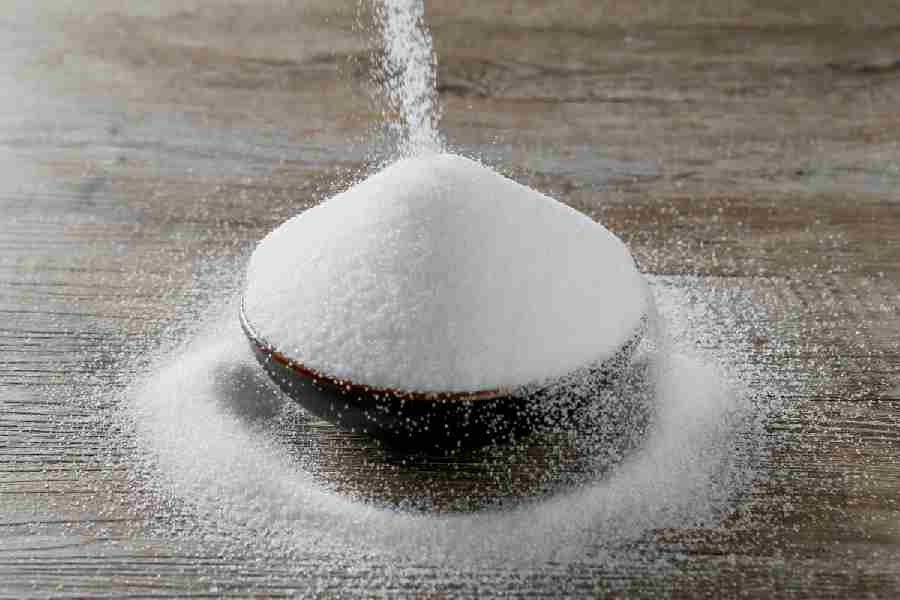
India’s Sugar Prices Rise as Production Falls, Policies Lag

Swara Bhasker’s Jauhar Remarks Revive Padmaavat’s Historical Debate

Young Government Bank Officer Reveals Salary, Benefits After 2.5 Years

India’s Dementia Crisis May Affect 16.9 Million Seniors by 2036

Five Student-Friendly Laptops Covering Every College Budget and Workload
Putin Faces Western Isolation While Russia Builds Non-Western Ties