1 week ago
US Threatens Iran With Economic D-Day as Tehran Responds
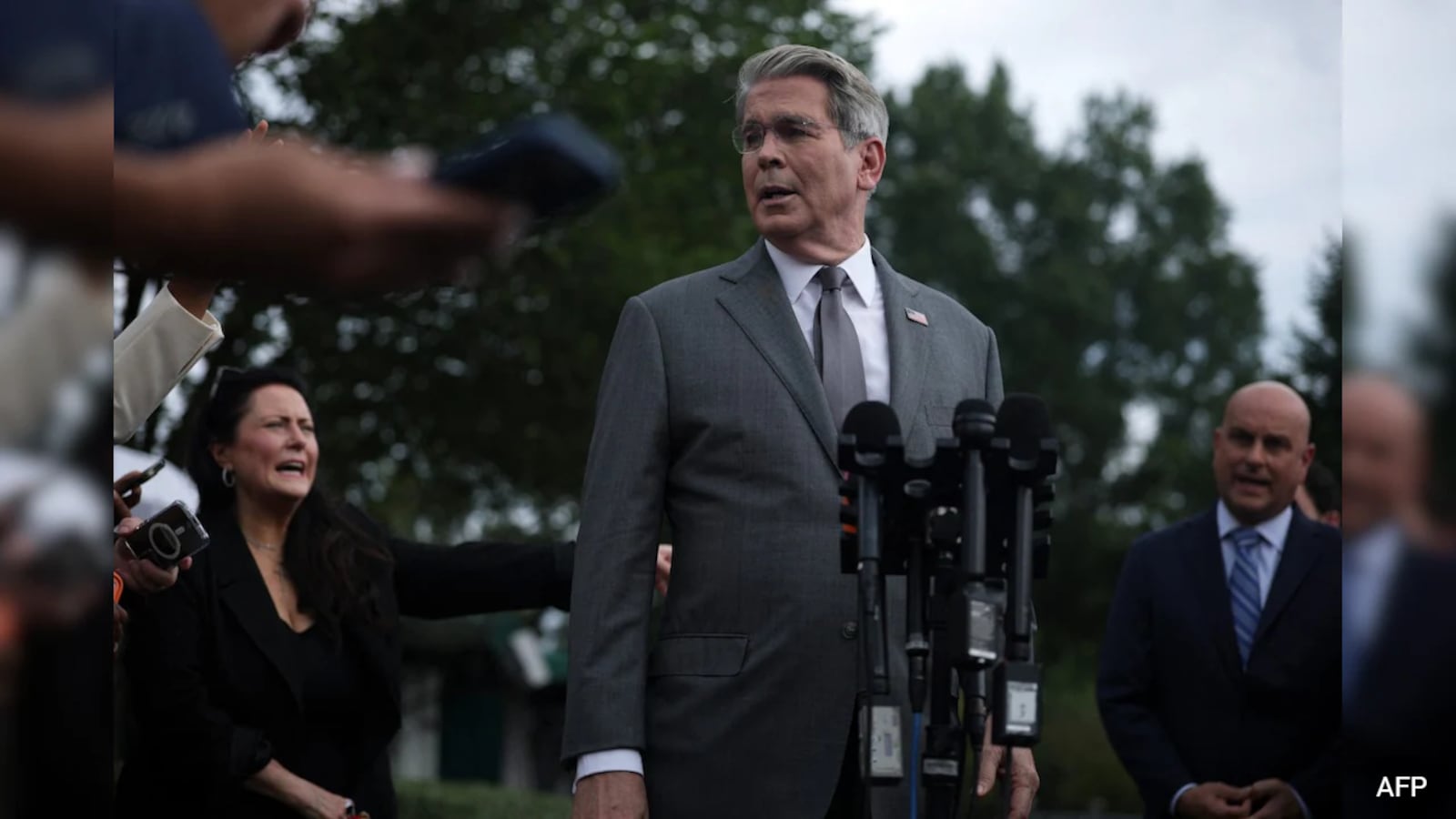
The United States plans to announce new economic sanctions against Iran.
Scott Bessent called the campaign an “economic D-Day” and said it would try to cut off Iran’s sources of money.
He also warned countries and businesses that help Iran could face serious economic punishment.
Iran says these threats are unlawful and show that the United States is desperate.
Iranian officials want talks based on respect, justice and honour.
One Iranian security official warned that Iran could stop exporting all of its oil.
He also said countries supporting the US campaign could be treated as taking part in an act of war.
Oil shipments through the Strait of Hormuz have nearly stopped, adding pressure to the situation.
China and Iranian leaders have called for a diplomatic solution.

US Treasury Secretary Scott Bessent warned of an unprecedented economic campaign intended to sever Iran’s economic lifelines.
Bessent threatened consequences for countries and entities supporting Iran’s petroleum, financial, aviation and fuel-transfer networks.
Iranian officials called the planned measures unlawful and desperate, while urging respectful diplomacy.
Mohsen Rezaei warned Iran could halt all oil exports and treat support for the US campaign as an act of war.
China, which reportedly buys more than 80% of Iran’s shipped oil, has urged diplomacy as Strait of Hormuz shipments nearly halt.
- Who
- The United States, including Scott Bessent and President Donald Trump, and Iranian officials including Esmaeil Baghaei, Abbas Araqchi, Mohsen Rezaei, Masoud Pezeshkian and Mohammad Baqer Qalibaf.
- What
- The United States threatened new economic sanctions and broader pressure against Iran and its trading partners; Iran rejected the threats and warned of retaliation.
- Where
- The dispute concerns Iran, the Strait of Hormuz, the Persian Gulf and countries trading with Tehran, including China.
- When
- Ahead of a planned US announcement and news conference on Monday; the conflict was described as nearing six months old.
- Why
- The United States says the campaign is meant to isolate Iran and push it toward negotiations, while Iran says the pressure is unlawful and should be replaced by respectful diplomacy.
United States position
Iranian position
Purpose of economic pressure
United States position
The United States says it will use available agencies and authorities to sever Iran’s economic lifelines, isolate its supporters and push Tehran toward negotiations.
Iranian position
Iran says the pressure campaign is an unlawful and desperate strategy that will fail and should be replaced by respectful negotiations based on justice and honour.
Treatment of third-country supporters
United States position
Bessent warned countries and entities that facilitate Iran’s petroleum trade, finances, flights or fuel transfers could face economic ostracism and other consequences.
Iranian position
Mohsen Rezaei said any country participating in or supporting the US economic campaign would be regarded by Iran as taking part in an act of war.
Oil and regional escalation
United States position
Bessent warned that if Iran responded to economic action with military force, President Trump would respond swiftly and decisively.
Iranian position
Iran threatened to halt all oil exports through the Strait of Hormuz and the Persian Gulf if the economic war continued.
Diplomatic path
United States position
The United States says intensified pressure can create conditions for Iran to return to negotiations.
Iranian position
Iranian President Masoud Pezeshkian and China have called for diplomacy, while Iranian officials say negotiations must respect Iran’s dignity and justice.
Key facts
- US campaign
- Scott Bessent called the planned pressure campaign the “single greatest financial offensive ever marshalled against an adversary.”
- Stated US targets
- The United States accused Iran’s enablers of purchasing and transporting petroleum, facilitating financial flows, receiving Iranian flights and overlooking seaborne fuel transfers.
- Potential consequences
- Bessent warned that countries and entities maintaining ties with Tehran could face economic ostracism and “tremendous economic consequences.”
- Iranian legal objection
- Iranian Foreign Ministry spokesperson Esmaeil Baghaei called secondary sanctions an assertion of extraterritorial sovereignty and said they have no foundation in international law.
- Oil threat
- Mohsen Rezaei said Iran could stop every oil export through the Strait of Hormuz and elsewhere in the Persian Gulf.
- China’s role
- China reportedly buys more than 80% of Iran’s shipped oil, according to 2025 data from analytics firm Kpler, and has urged diplomacy.
- Economic pressure in Iran
- Mohammad Baqer Qalibaf acknowledged concerns about hunger, financial turnover, economic growth and national production in Iran.
Quotes

Esmaeil Baghaei
Spokesperson for Iran’s Foreign Ministry
“If the economic war continues, not a single drop of oil will be exported, neither through the Strait of Hormuz nor from anywhere in the Persian Gulf. Iran will regard any country’s participation in or support for America’s economic war against the Iranian people as an act of war.”
 businesstoday.in
 NDTV
NDTV
“The fact that they have moved on from military operations...to bring up the same old plans shows that they are desperate.”
businesstoday.in

Scott Bessent
US Treasury secretary
“In short, these countries calculate appeasement of the regime to be the safer course. But they would do well to consider the consequences of sustaining it.”
businesstoday.in
“At dawn begins an economic D-Day -- the single greatest financial offensive ever marshalled against an adversary.”
NDTV
Sources
Related news
US Announces Economic D-Day as Iran Threatens Oil Export Halt
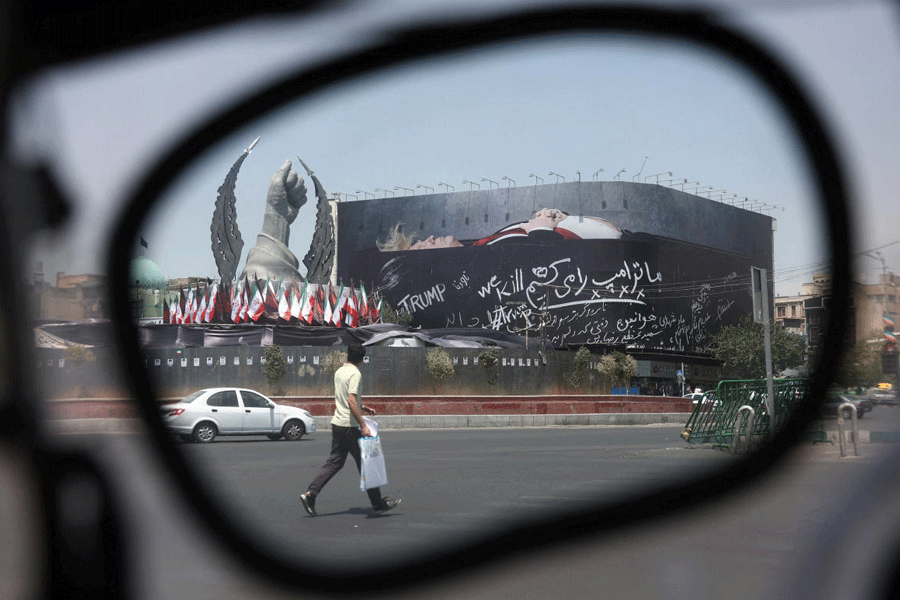
U.S. Threatens Iran With Economic D-Day, Tehran Vows Oil Halt

Iran Threatens Retaliation as US Escalates Economic Pressure
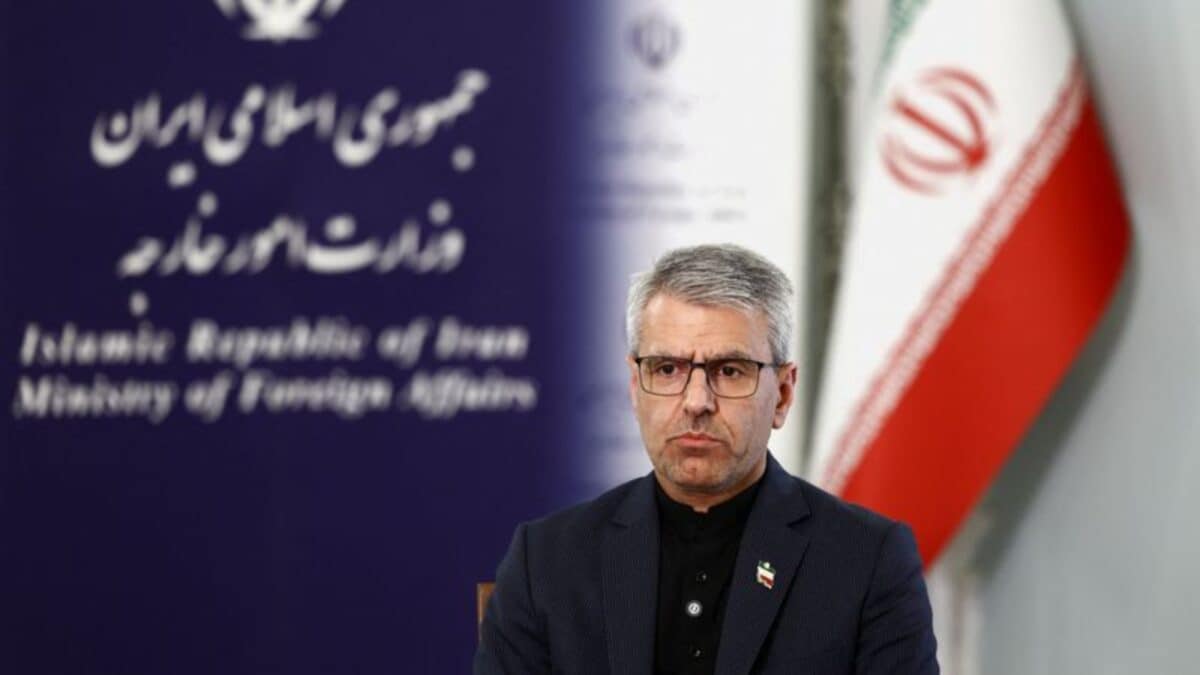
Iran Warns of Escalation as US Economic Sanctions Intensify

Iran Threatens Persian Gulf Oil Halt Amid US Economic Pressure

Iran Vows Devastating Response to US Toughest-Ever Sanctions

Trump Floats Renaming Strait of Hormuz as ‘Trump Strait’

Chevron Plans $7 Billion Venezuela Expansion Amid U.S. Oil Push

Saudi Arabia Says Iranian Tanker Attack Killed Two Sailors
U.S.-Iran Exchange Escalates Across Middle East, Markets Slide
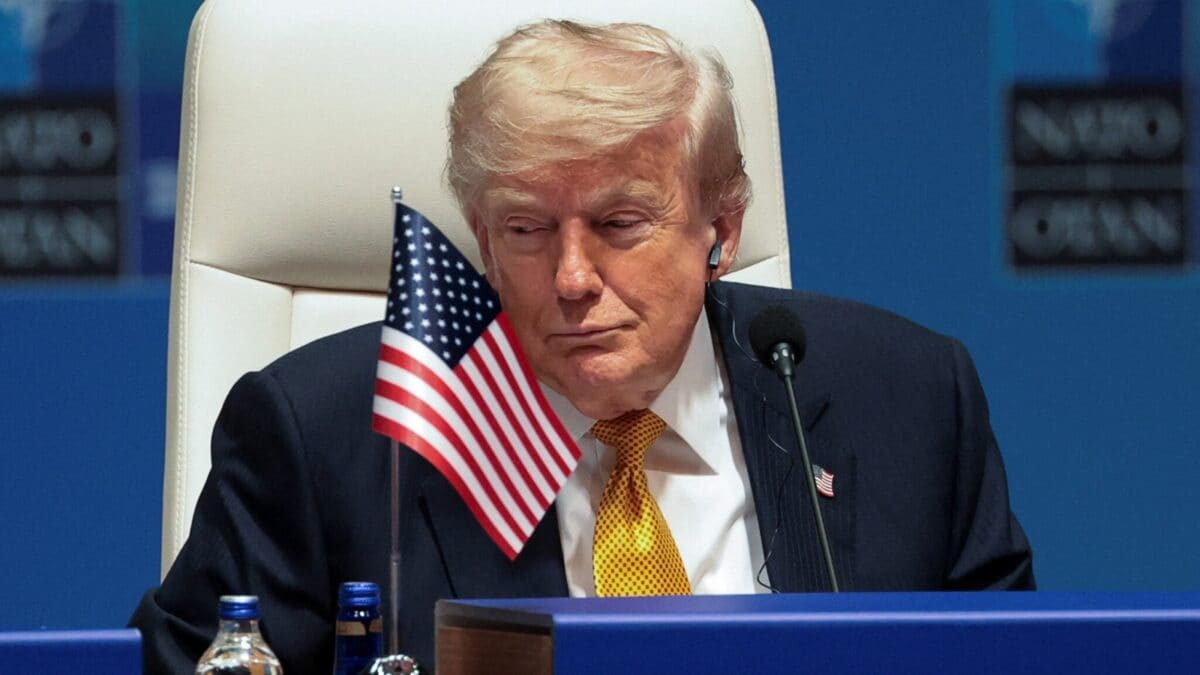
Trump Aides Seek Quiet Iran War Before Midterm Elections