

2 weeks ago
Emails Reveal Maruti, Tata, Mahindra's Private E20 Fuel Worries

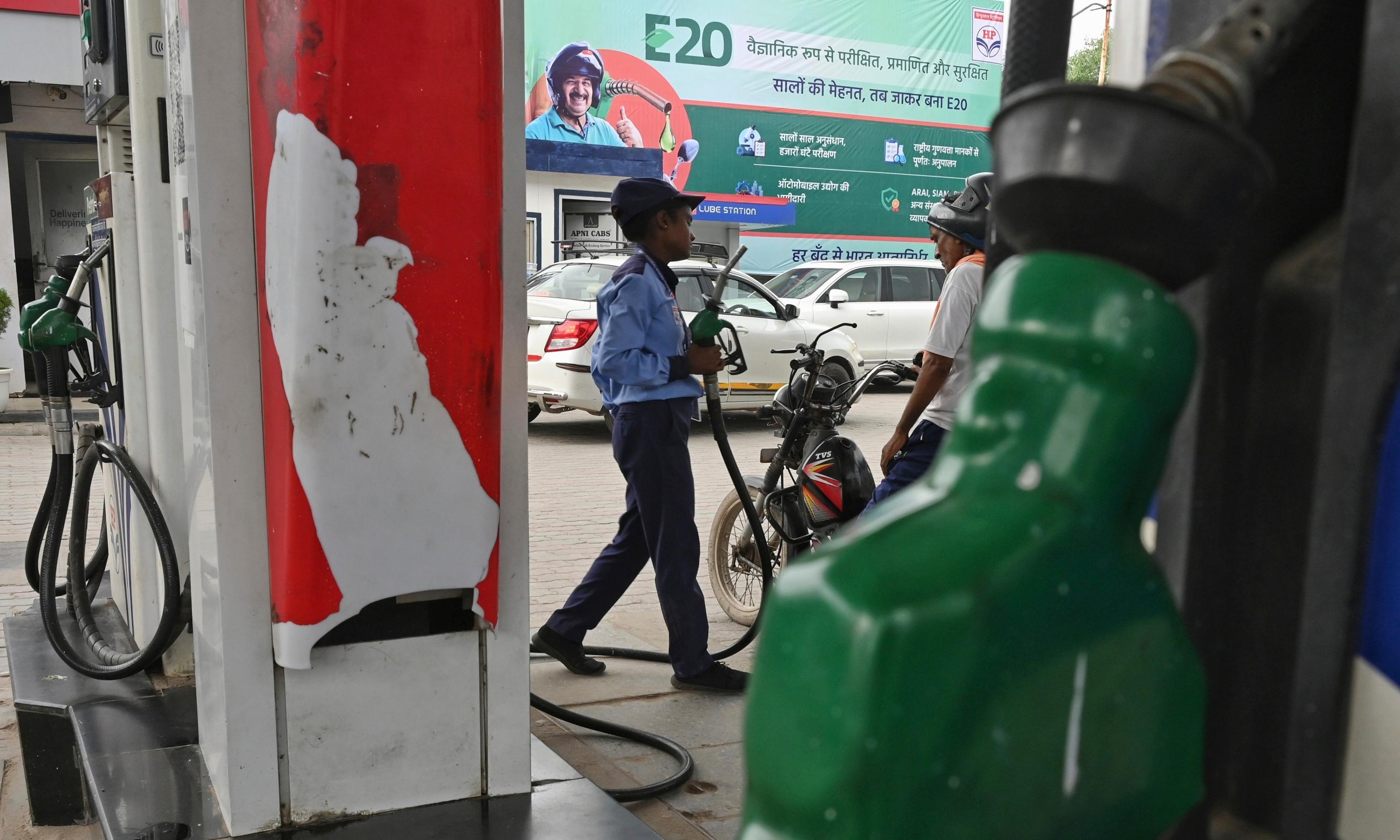
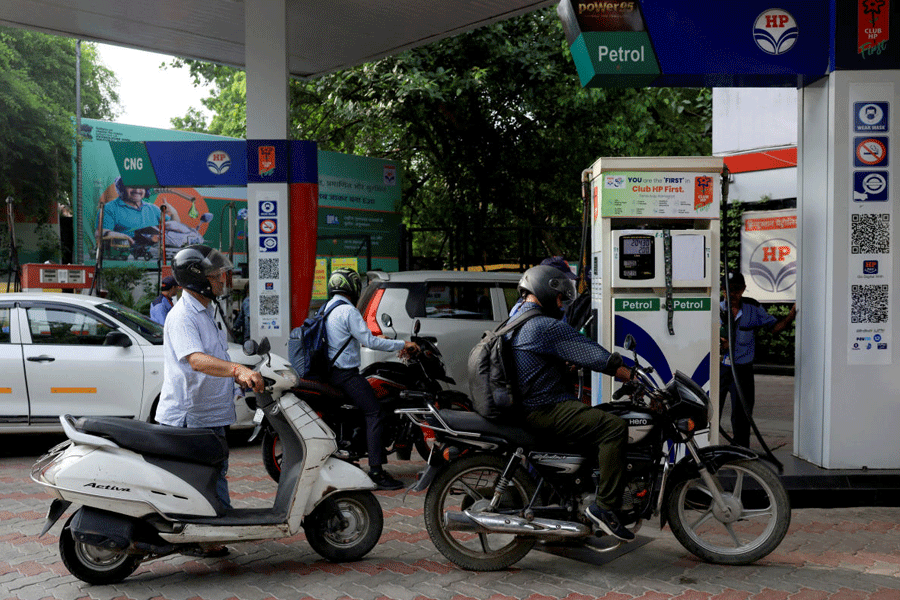
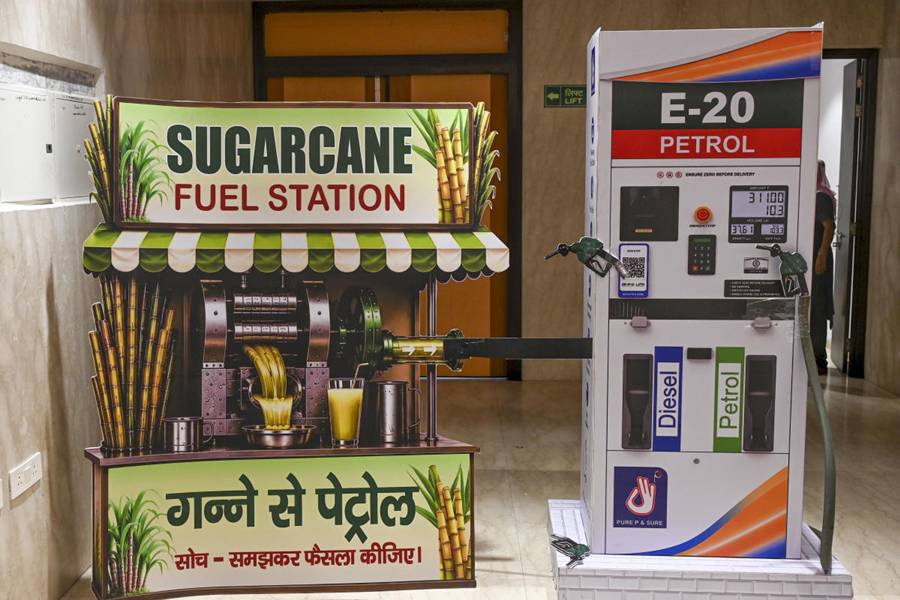
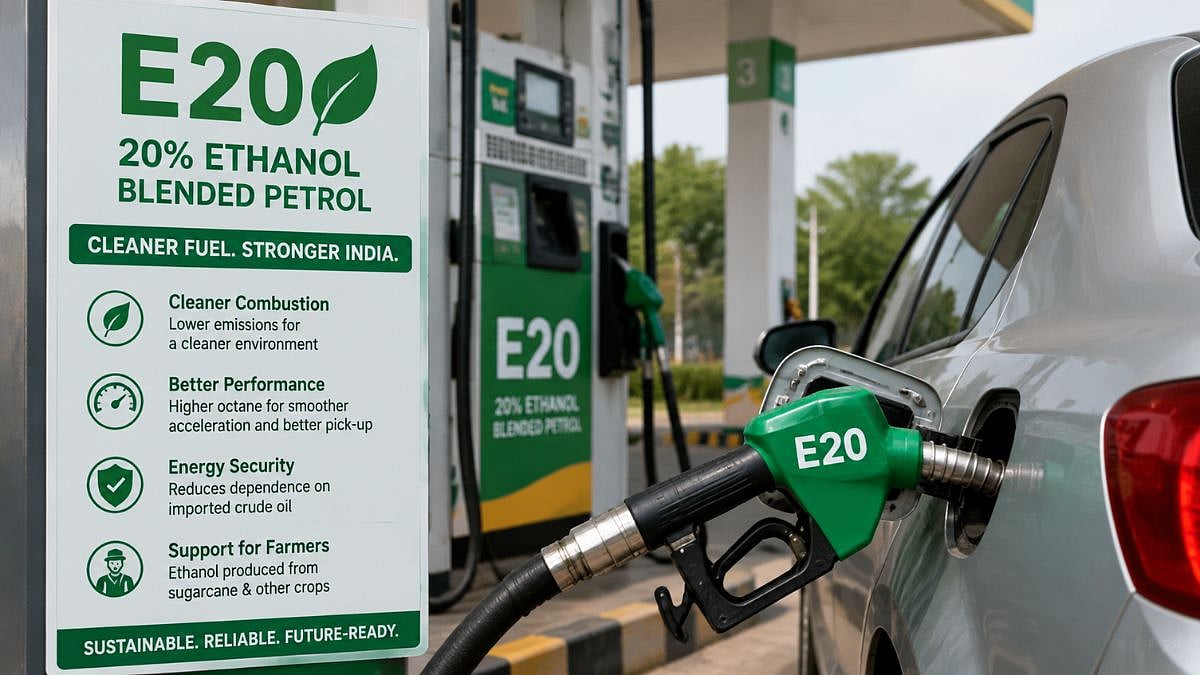
Cars in India mostly run on a special fuel called E20, which is made with a little bit of alcohol from plants called ethanol.
The government says this fuel helps keep the air clean and is perfectly safe.
Some big car companies wanted to double-check, so they took tiny samples of the fuel from petrol pumps.
They found very small amounts of salt and water inside the fuel, which they worried could hurt car engines over time.
The companies sent a letter to the government about their worries, but then they took the letter back after people argued about it.
The car companies say they still want to look into the fuel more carefully.
The government tested the fuel too and said it found almost no problems.
Drivers have said their cars seem to use more fuel and wear out faster, and some have taken the matter to court.
Everyone agrees the fuel needs more checking so that cars stay safe and happy.

Reuters-reviewed emails show Maruti Suzuki, Tata Motors and Mahindra privately raised chloride and moisture contamination concerns about E20 petrol despite publicly backing the fuel.
Auto lobby SIAM withdrew its July 28 complaint letter on fuel contamination after a government and public uproar, saying some figures needed authentication.
Industry testing covered over 250 fuel samples collected over a year from pumps in 21 of India's 36 states and Union Territories, finding high chloride contamination in 18 states.
Recorded chloride levels reached up to 570 ppm in Rajasthan against a 3 ppm government limit, while moisture hit 13,000 ppm in Andhra Pradesh versus a 3,000 ppm benchmark.
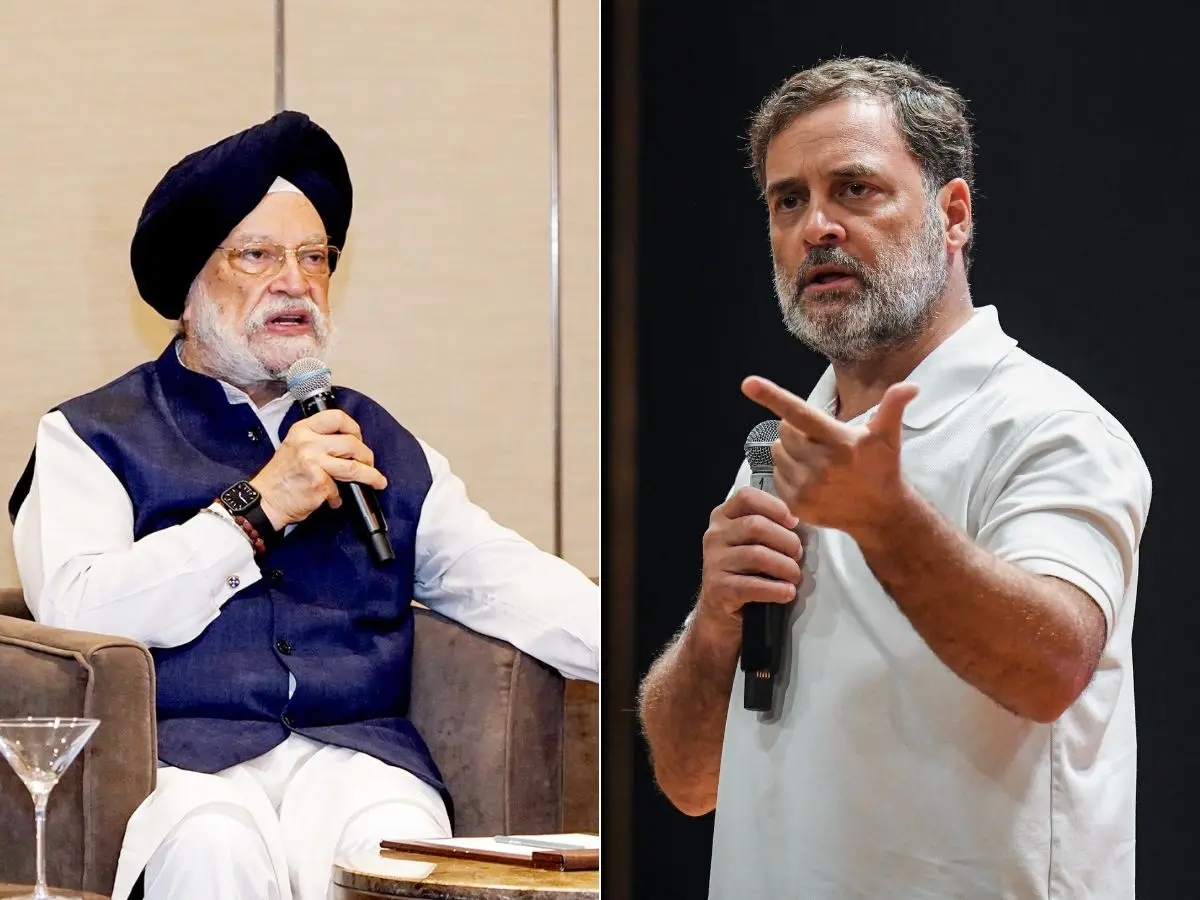
Petroleum Minister Hardeep Singh Puri and state-run retailers said rigorous testing found only four contamination cases, while Mahindra dismissed the email conclusions as 'completely baseless and incorrect.'
- Who
- India's top automakers Maruti Suzuki, Tata Motors and Mahindra & Mahindra, the Society of Indian Automobile Manufacturers (SIAM), the Union Ministry of Petroleum and Natural Gas headed by Hardeep Singh Puri, and Reuters, which reviewed the emails.
- What
- Private industry emails revealed carmakers' concerns about chloride and moisture contamination in E20 ethanol-blended petrol; SIAM withdrew its complaint letter after a public and government uproar.
- Where
- India, where fuel samples were collected from pumps in 21 of the country's 36 states and Union Territories, including Rajasthan, New Delhi, Maharashtra, Andhra Pradesh and Uttar Pradesh.
- When
- SIAM's complaint letter was dated July 28, with public assurances and the withdrawal following in the next week; E20 has been the only petrol available since April 1.
- Why
- E20 was rolled out by Prime Minister Narendra Modi's government to curb pollution and cut oil imports, but automakers and motorists worried that contaminated fuel could damage vehicles.
Automakers and Motorists
Government and Fuel Retailers
Fuel contamination
Automakers and Motorists
Private industry testing of 250+ samples found high chloride in 18 states and moisture above limits, which executives said can corrode auto parts or immobilize a vehicle immediately after fuelling.
Government and Fuel Retailers
The government and state-run retailers said rigorous random and scientific testing found only four contamination cases and 'no cause for any alarm on account of fuel contamination.'
Withdrawal of SIAM letter
Automakers and Motorists
Internal emails show executives discussed contamination data without raising any authentication concerns, suggesting the withdrawal followed public and government uproar over the warning.
Government and Fuel Retailers
SIAM says the data was intended only for internal circulation, the testing basis and sample size were insufficient for definitive conclusions, and the letter was sent inadvertently and withdrawn.
Effect on vehicles
Automakers and Motorists
Hundreds of motorists allege E20 reduced mileage and increased wear and tear, at least one court challenge was filed, and Mahindra engineers said organic chloride could spoil engines within 200 km of fuelling.
Government and Fuel Retailers
Mahindra publicly said the conclusions from the emails are 'completely baseless and incorrect', the data is limited and preliminary, and it does not see issues with E20; the government says the fuel is safe.
Key facts
- Fuel
- E20 - petrol blended with 20% ethanol
- SIAM complaint
- Letter dated July 28, later withdrawn
- Fuel samples tested
- Over 250, collected over a year
- Sampling coverage
- Pumps in 21 of India's 36 states and Union Territories
- Permissible chloride limit
- 3 ppm
- Highest chloride recorded
- 570 ppm in Rajasthan
- Moisture recorded
- Up to 13,000 ppm in Andhra Pradesh; limit is 3,000 ppm
- Government finding
- Only 4 contamination cases found in rigorous testing
Quotes
R. Ramaprabhu, Mahindra senior principal engineer of fluids technology
Senior engineer at Mahindra & Mahindra
“"organic chloride is the contaminant responsible for the very rapid vehicle failures the industry is seeing and can spoil engines within 200 km."”
 telegraphindia.com
“"Lesser than 1 ppm in E20 is also in line with international standards. Same is in line with discussion held with petroleum ministry."”
telegraphindia.com
Sources
Related news
E20 Petrol Contamination Claims Rejected by Government After Nationwide Tests

SIAM Withdraws Letter Flagging E20 Fuel Contamination Concerns
E20 petrol row: SIAM withdraws contamination letter, ministry defends quality
Oil firms reject E20 contamination claims, nationwide tests prove quality
Use E20 Petrol With Confidence, Centre Tells Consumers
Puri defends E20 petrol rollout as Rahul Gandhi intensifies criticism
Auto Industry Urges Shift From Make to Create in India

Car Sales Aug'26: Tata Leads Growth, Maruti Dominates Volume
Brokerages Favor Indian Auto Stocks as Truck Sales Surge

Auto stocks plunge despite strong August sales and demand outlook

Tata Motors Rises to No. 2 in India's PV Market
