

3 weeks ago
Oil firms reject E20 contamination claims, nationwide tests prove quality
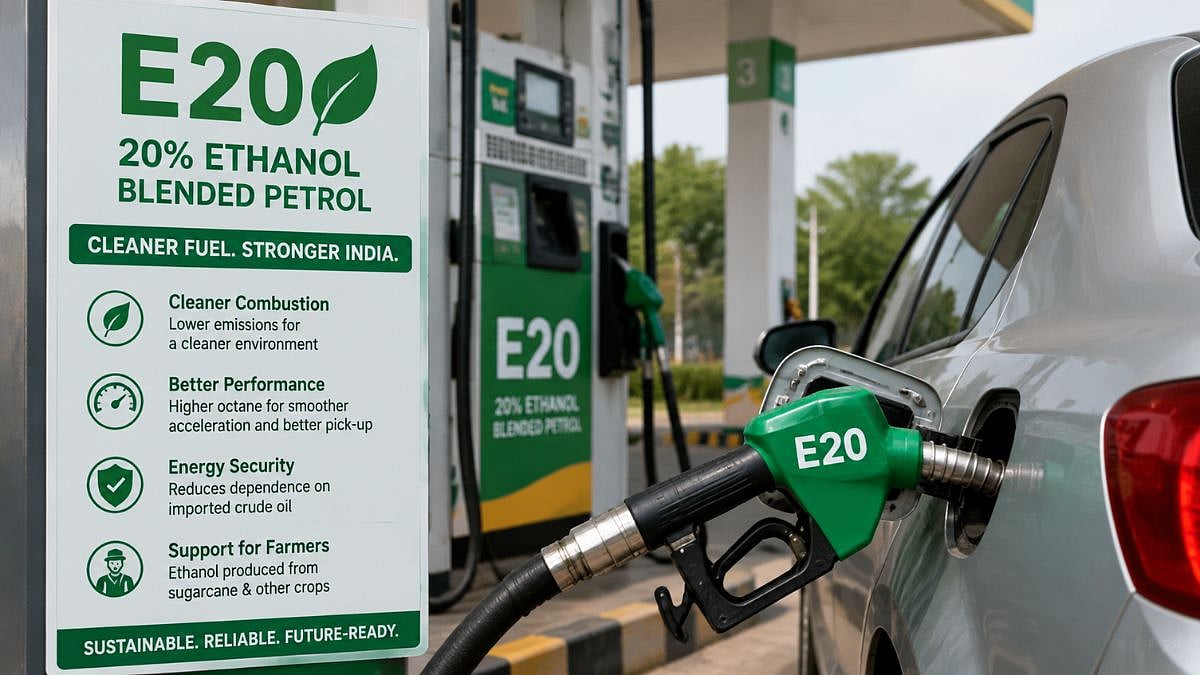
Cars in India now use a special fuel called E20, which is a mix of 80 parts petrol and 20 parts ethanol, an alcohol made from plants.
Some people were worried that this fuel had too much water and salt in it, which could hurt car engines.
The companies that sell the fuel — Indian Oil, Bharat Petroleum and Hindustan Petroleum — tested fuel from many places across the country.
They said the fuel was fine and inside the safe limits set by the government.
They found only two very small problems at petrol pumps, which they fixed quickly.
A car industry group called SIAM had raised concerns earlier but later withdrew its letter.
The Oil Minister, Hardeep Singh Puri, said some people were trying to create controversy and that only four problems were found among about 107,000 pumps.
The government said the fuel is safe and older cars might use about 3 to 5 percent more fuel.
India reached its target of mixing 20 percent ethanol into petrol five years ahead of schedule.
The companies are checking fuel and storage tanks many times a day and asked drivers to keep using E20 with confidence.

Indian Oil, Bharat Petroleum and Hindustan Petroleum issued a joint statement on Friday rejecting E20 fuel contamination claims after nationwide testing.
Over 100 refinery petrol samples showed chloride at or below 1 ppm, while ethanol from 80 distilleries and more than 80 terminal samples all recorded levels below the 3 ppm limit.
More than 160 retail outlet samples tested in the range of 0-3 ppm, with only two isolated elevated cases where sales were suspended pending root-cause analysis and corrective action.
Oil Minister Hardeep Singh Puri dismissed the concerns, saying crack teams found four cases among about 107,000 petrol pumps and that some were trying to 'create some controversy'.
SIAM withdrew its letter flagging corrosion and wear concerns, while the government said older vehicles may see only a marginal 3-5% mileage drop.
- Who
- The three state-run oil marketing companies — Indian Oil, Bharat Petroleum and Hindustan Petroleum — joined by Oil Minister Hardeep Singh Puri, responding to concerns from SIAM and opposition leaders.
- What
- Rejected E20 petrol contamination claims and released nationwide test results showing chloride and moisture levels within prescribed limits across the entire supply chain.
- Where
- Across India, covering refineries, distilleries, depots/terminals and about 107,000 retail outlets.
- When
- Joint statement released on Friday, following intensified testing that began about two weeks before a letter dated July 28.
- Why
- To counter media reports, public backlash and political criticism alleging high moisture and chloride content in E20 petrol.
Government and Oil Marketing Companies
Critics and Opposition
Fuel quality and contamination
Government and Oil Marketing Companies
Nationwide intensive testing across refineries, distilleries, depots and retail outlets shows chloride and moisture are consistently well within prescribed limits, with only two isolated elevated cases; claims of several hundred ppm are not supported by tests.
Critics and Opposition
Media reports alleged high moisture and chloride in E20 petrol, and SIAM initially flagged concerns over corrosion and wear to engine parts, though it later withdrew its letter saying the data required further authentication.
Impact on older vehicles and consumer choice
Government and Oil Marketing Companies
Extensive studies by ARAI, SIAM, Indian Oil, the Indian Institute of Petroleum and automakers confirm E20 is safe under prescribed standards; component wear claims are denied and any mileage drop in older vehicles would be a marginal 3-5%.
Critics and Opposition
Critics say older vehicles whose engines were not designed for higher ethanol blends may face reduced mileage and engine component wear, and the mandatory rollout of E20 petrol leaves consumers no choice of fuel.
Ethanol blending programme
Government and Oil Marketing Companies
The programme is a success: average blending rose from about 1.5% in 2013-14 to 10% in 2021-22 and 20% in 2025-26, achieved five years ahead of schedule.
Critics and Opposition
Some opposition leaders attacked the government over the mandatory rollout of E20 petrol and the lack of choice for consumers, and the Oil Minister said attempts were being made to 'create some controversy'.
Key facts
- Fuel type
- E20 — 80 parts petrol, 20 parts ethanol
- Oil marketing companies
- Indian Oil, Bharat Petroleum, Hindustan Petroleum
- Chloride limit for ethanol
- 3 ppm (prescribed by the Government of India)
- Refinery samples
- 100+ samples; chloride at or below 1 ppm
- Distillery samples
- 80 distilleries tested over 10 days; all below 3 ppm
- Retail outlet samples
- 160+ samples; 0-3 ppm, with two isolated elevated cases corrected
- Retail outlet inspections
- About 90,000 underground tanks checked 8-12 times daily; no water ingress found
- Ethanol blending milestone
- 20% achieved in 2025-26, five years ahead of schedule
Quotes
Oil Minister Hardeep Singh Puri
Minister of Petroleum and Natural Gas
“Consumers should continue to use E20 petrol with confidence, as the fuel supplied through the OMC network conforms to the prescribed quality specifications and is backed by robust quality assurance and monitoring systems designed to safeguard consumer interests at every stage of the supply chain.”
 CNBC TV 18
“They formed crack teams… What did they find? They found four cases out of 107,000 petrol pumps… So obviously, someone out there is trying to place some things out of context.”
CNBC TV 18
Sources
Related news
Use E20 Petrol With Confidence, Centre Tells Consumers
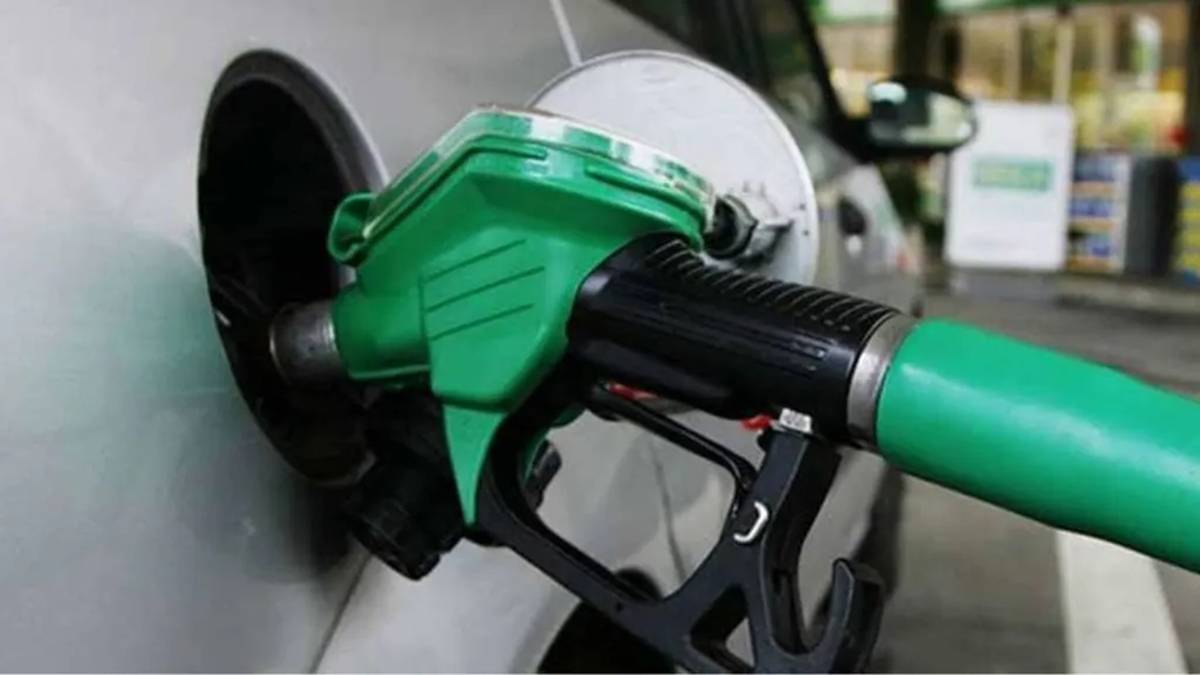
E20 Petrol Contamination Claims Rejected by Government After Nationwide Tests
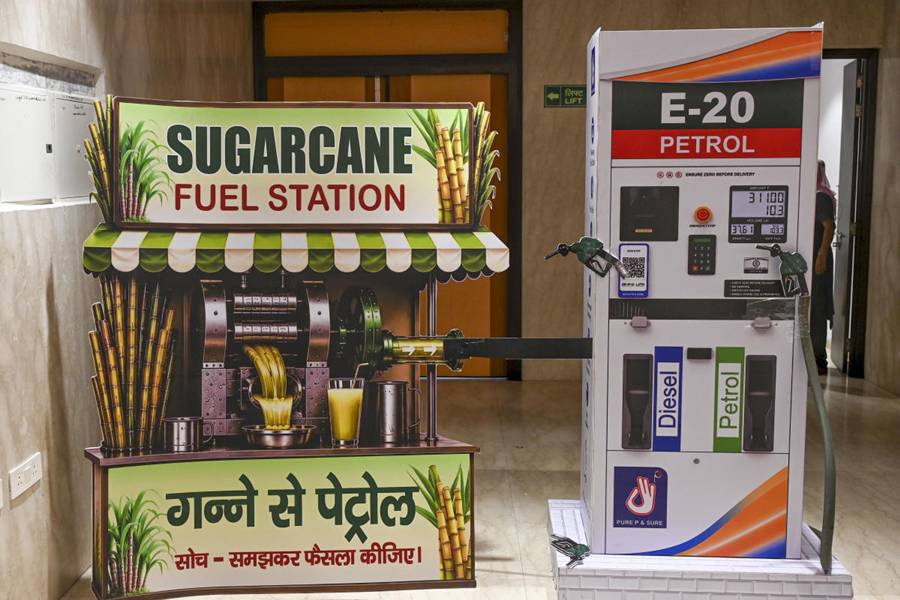
E20 petrol row: SIAM withdraws contamination letter, ministry defends quality

Emails Reveal Maruti, Tata, Mahindra's Private E20 Fuel Worries
Auto Industry Urges Shift From Make to Create in India
India Passenger Vehicle Dispatches Reach Record August High
India’s Economy Stays Strong, but Risks Mount Ahead

Maharashtra Leads Passenger, Commercial Vehicle Sales in Q1 FY27

Maharashtra Leads Cars, Commercial Vehicles; UP Tops Two-Wheelers
