

0 months ago
E20 petrol row: SIAM withdraws contamination letter, ministry defends quality
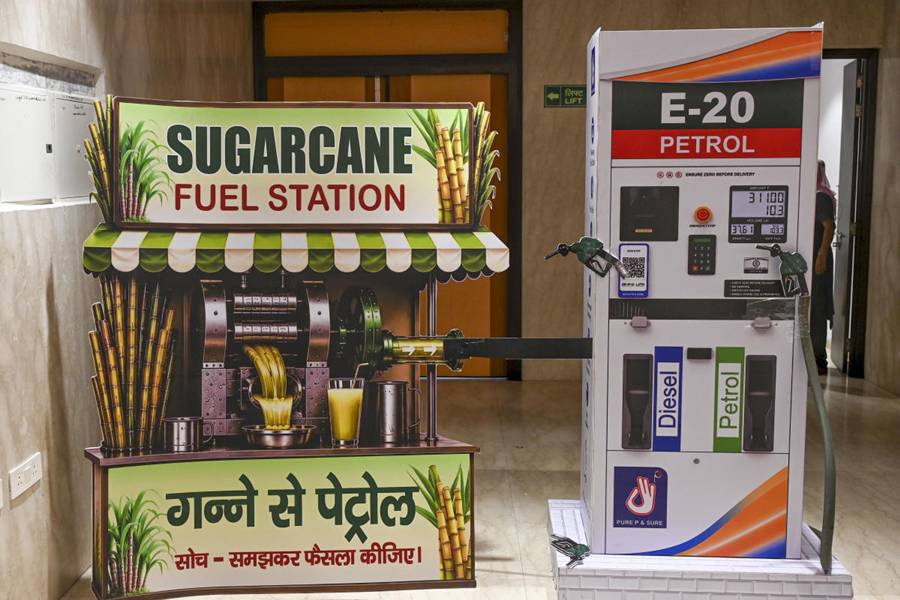
Car companies in India belong to a group called SIAM.
That group wrote a letter saying the new petrol called E20 might have too much salt and water in it.
Too much salt can rust the parts of a car's engine.
Too much water can make the petrol separate, which can stop a car right after filling up.
The letter worried many people, and it spread all over the internet.
But then SIAM took back the letter, saying the numbers were not checked yet.
The government's petroleum ministry said the fuel is checked often, with water tests 8 to 12 times a day at more than 87,000 fuel stations.
SIAM said it still supports the new E20 petrol.
Even though the letter was removed, copies of it stayed online.

SIAM flagged concerns over E20 petrol quality, citing chloride contamination up to 500 mg/kg and excess moisture causing corrosion and wear of fuel system components.
The auto industry body withdrew its communication, saying the quoted figures require authentication through data collection and consultation with member OEMs.
SIAM said media reports had selectively quoted excerpts from its communication and that the matter was part of routine technical deliberations.
The Ministry of Petroleum and Natural Gas said fuel quality is regularly monitored, with water ingress testing 8-12 times a day at over 87,000 outlets.
Tehseen Poonawalla claimed SIAM made two urgent demands, including mandatory chloride limits and strict OMC quality monitoring; SIAM reaffirmed support for the government's E20 initiative.
- Who
- The Society of Indian Automobile Manufacturers (SIAM), an industry body representing major Indian auto and engine producers; the Ministry of Petroleum and Natural Gas (MoPNG) responded, and activist Tehseen Poonawalla commented.
- What
- SIAM flagged concerns about chloride contamination and excessive moisture in E20 petrol, then withdrew the communication saying the figures required authentication; MoPNG said fuel quality is regularly monitored.
- Where
- India, at fuel retail outlets across the country, including over 87,000 monitored outlets.
- When
- The report spread viral one day and was withdrawn around midnight, about 20 minutes before midnight; no specific date was given in the articles.
- Why
- The withdrawn report cited risks of corrosion, ethanol-water phase separation and rising replacement of fuel injectors, fuel pumps and exhaust components; SIAM later said the numbers needed authentication, while the ministry emphasised existing quality monitoring.
Industry Contamination Concerns
Official Reassurances and Clarifications
E20 Fuel Quality
Industry Contamination Concerns
SIAM's withdrawn communication cited chloride contamination up to 500 mg/kg and excess moisture causing corrosion, phase separation and a sharp rise in replacement of fuel injectors and fuel pumps.
Official Reassurances and Clarifications
The Ministry of Petroleum and Natural Gas said OMCs regularly monitor fuel quality and have strengthened testing, including water ingress checks 8-12 times a day in over 87,000 outlets.
Validity of Contamination Figures
Industry Contamination Concerns
The withdrawn report claimed moisture above 10,000 mg/kg against a 3,000 mg/kg specification, risking fuel separation that could paralyse vehicles immediately after fuelling.
Official Reassurances and Clarifications
SIAM itself later said the figures require authentication through collection of elaborate data from various regions and consultation with member OEMs, and that media reports selectively quoted excerpts.
Regulatory Monitoring Demands
Industry Contamination Concerns
Activist Tehseen Poonawalla claimed SIAM made urgent demands to make strict chloride limits mandatory in official E20 specifications and enforce strict OMC quality monitoring at all retail outlets.
Official Reassurances and Clarifications
The ministry stated advanced and elaborate testing protocols were already in place and further checks have been instituted, as fuel quality is monitored on a regular basis by oil marketing companies.
Key facts
- Fuel Type
- E20 petrol (ethanol-blended petrol with 20% ethanol)
- Reported Chloride Contamination
- Up to 500 mg/kg, causing corrosion and wear of fuel system components
- Reported Moisture Level
- More than 10,000 mg/kg against a 3,000 mg/kg specification
- MoPNG Response
- OMCs regularly monitor fuel quality; water ingress testing 8-12 times a day at over 87,000 outlets
- SIAM Action
- Withdrew its earlier communication; figures need authentication from various regions
- SIAM Stance
- Fully supportive of the government's E20 initiative
- Activist Claim
- SIAM demanded strict chloride limits and OMC quality monitoring at retail outlets (per Tehseen Poonawalla)
Quotes
Society of Indian Automobile Manufacturers (SIAM)
Industry body representing major Indian auto and engine producers
“Some numbers quoted in the communication needs authentication through collection of elaborate data from various regions across the country followed by a comprehensive consultation with our member OEMs”
 financialexpress.com
 telegraphindia.com
“Certain media reports have cited issues of fuel adulteration or contamination. It is hereby clarified that fuel quality is monitored on a regular basis by Oil Marketing Companies.”
telegraphindia.com
Sources
Related news

SIAM Withdraws Letter Flagging E20 Fuel Contamination Concerns
E20 Petrol Contamination Claims Rejected by Government After Nationwide Tests

Emails Reveal Maruti, Tata, Mahindra's Private E20 Fuel Worries
Oil firms reject E20 contamination claims, nationwide tests prove quality
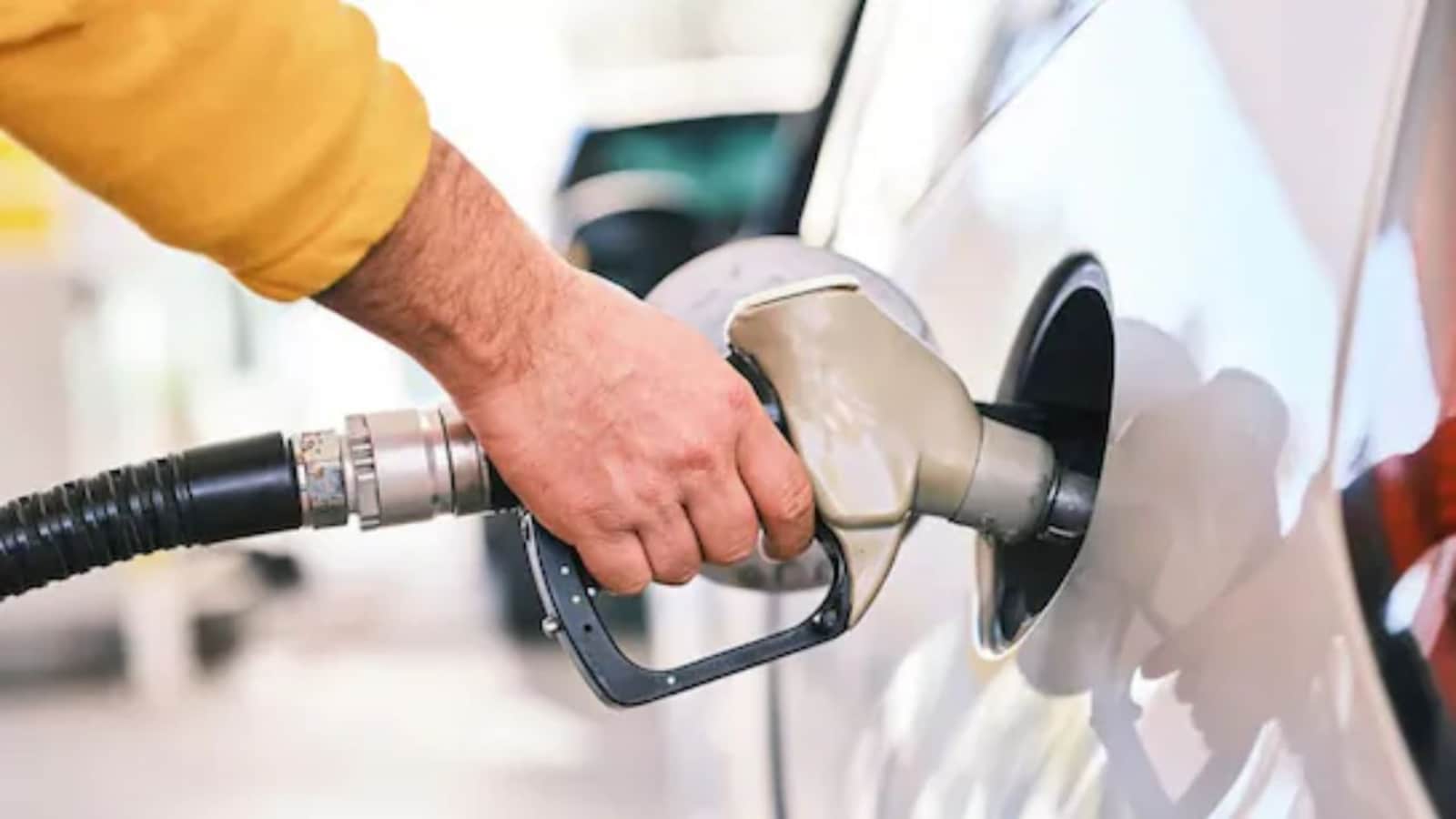
Use E20 Petrol With Confidence, Centre Tells Consumers

Auto Industry Urges Shift From Make to Create in India

India Passenger Vehicle Dispatches Reach Record August High
India’s Economy Stays Strong, but Risks Mount Ahead

Maharashtra Leads Passenger, Commercial Vehicle Sales in Q1 FY27

Maharashtra Leads Cars, Commercial Vehicles; UP Tops Two-Wheelers
