18 hrs ago
DHS Clarifies Green Card Rules for US-Born Children
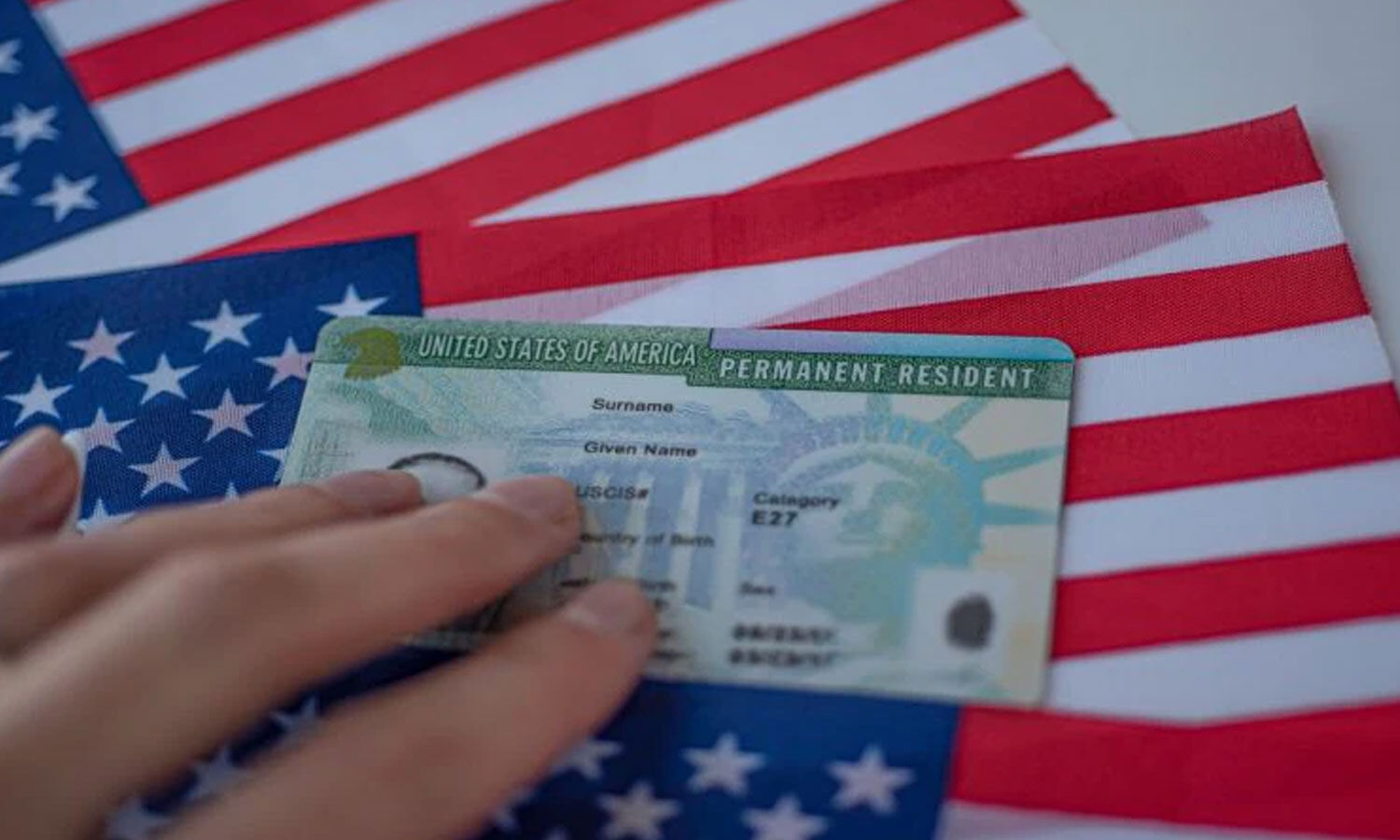
The government changed a rule about some children born in the United States to parents who work for foreign governments.
These children may be able to apply for a green card, which gives permanent resident status.
The rule applies when neither parent is a US citizen and one parent worked for a foreign government when the child was born.
It does not cover every type of foreign government worker.
The Department of Homeland Security said some instructions were accidentally removed from the original rule.
A correction put those instructions back.
Families applying must provide forms and documents showing the parent’s job and the child’s birth and residence history.
Applying for a green card is voluntary, but children who stay in the United States for at least 30 days may still have to register.
The rule could face further review by the courts.

The Department of Homeland Security expanded a green-card pathway for certain US-born children of foreign government employees.
The rule applies when neither parent is a US citizen and at least one parent worked for a foreign government at the child’s birth.
DHS said a September 16 correction restored accidentally deleted evidence requirements and did not create a new immigration benefit.
Applicants generally need Form I-485, Form G-325A, a birth certificate, employment proof, travel records, continuous-residence evidence and photographs.
Children who do not pursue permanent residence may still have to register as aliens if they remain in the US for at least 30 days after birth.
- Who
- The Department of Homeland Security and United States Citizenship and Immigration Services issued the clarification for certain US-born children of foreign government employees.
- What
- The rule expands a lawful-permanent-residence pathway and restores evidence requirements that DHS said were accidentally deleted.
- Where
- The rule concerns children born in the United States.
- When
- The rule was announced September 4, 2026, published September 9, and corrected September 16; it applies to children born on or after September 4, 2026.
- Why
- DHS said the correction was needed to restore missing documentation instructions and clarify which evidence applicants must provide.
Administration’s Position
Critics’ Concerns
Nature of the correction
Administration’s Position
DHS says the September 16 notice only restored evidence language accidentally removed when the rule was added to federal regulations and did not make a substantive policy change.
Critics’ Concerns
The rule has drawn continued scrutiny because it changes the treatment of some US-born children and may raise questions about whether the administration can make the change without Congress.
Legal authority
Administration’s Position
USCIS interprets the Supreme Court’s decision in Trump v. Barbara as recognizing certain exceptions to birthright citizenship, including the established exception for children of ambassadors.
Critics’ Concerns
Former DHS official Adam Klein said courts will ultimately have to decide whether the administration has authority to make the change without congressional action.
Scope and effect
Administration’s Position
DHS says the rule provides a voluntary permanent-residence route while clarifying documentation requirements for eligible families.
Critics’ Concerns
Critics note that the number of potentially affected people is unknown and that permanent residence is not the same as citizenship; separate registration obligations may still apply.
Key facts
- Administering agencies
- Department of Homeland Security and United States Citizenship and Immigration Services
- Eligibility condition
- Neither parent may be a US citizen, and at least one parent must have been a foreign government employee when the child was born.
- Effective births
- Children born on or after September 4, 2026
- Main application
- Form I-485, with the required fee
- Additional evidence
- Form G-325A, birth certificate, proof of the parent’s foreign-government employment, travel records, continuous-residence proof and two photographs
- Registration obligation
- A covered child who remains in the United States for 30 days or longer after birth must be registered as an alien; a parent registers children under 14.
- Key distinction
- A green card grants permanent-resident status, not US citizenship.
Sources
Related news
New Green Card Rules Tighten Citizenship and Public Charge Reviews

Proposed US Passport Rules Could Affect Some US-Born Children

Trump Administration Proposes Parental Status Proof for Children’s Passports

Trump’s Birthright Citizenship Push Faces Federal Court Block
Judge Blocks Trump’s Newest Order Limiting Birthright Citizenship
Judge Questions Trump’s New Birthright Citizenship Order, Delays Block
Senators Seek California Probe of DHS Voter Searches
Florida Bars Undocumented Students From CTE Programs
Trump Extends $100,000 H-1B Fee Through September 2027