

3 hrs ago
Judge Blocks Trump’s Latest Order Limiting Birthright Citizenship

A judge in Maryland stopped the government from using President Trump’s newest order about birthright citizenship.
Birthright citizenship generally gives citizenship to people born in the United States.
The Supreme Court had rejected Trump’s earlier attempt to limit that right.
Trump then signed a narrower order on August 6.
It focused especially on people traveling to the United States to give birth so their children could become citizens.
The order also listed other situations in which children might be denied citizenship.
Immigrant rights groups said the order could harm babies and asked the judge to intervene.
Government lawyers said the court should wait for agencies to explain how the order would work.
The judge nevertheless issued a preliminary injunction blocking enforcement.

U.S. District Judge Deborah Boardman issued a preliminary injunction blocking enforcement of President Donald Trump’s newest birthright citizenship order.
Trump signed the order on August 6 after the Supreme Court rejected his earlier effort to limit birthright citizenship.
The new order targets birth tourism and would deny citizenship in additional circumstances involving parents.
CASA and the Asylum Seeker Advocacy Project sought protection for babies through a class-action lawsuit.
Justice Department lawyers argued the challenge was premature because agencies had not yet issued implementation guidance.
- Who
- U.S. District Judge Deborah Boardman, President Donald Trump, immigrant rights groups, and Justice Department lawyers.
- What
- Boardman issued a preliminary injunction blocking enforcement of Trump’s newest order limiting eligibility for birthright citizenship.
- Where
- The U.S. District Court in Greenbelt, Maryland.
- When
- The ruling was reported on September 2; Trump signed the new order on August 6, after the Supreme Court’s June 30 ruling.
- Why
- Immigrant rights advocates argued that the order could deprive babies of citizenship, while the Justice Department said the legal challenge was premature.
Immigrant rights advocates
Trump administration
Whether enforcement should be blocked
Immigrant rights advocates
CASA and the Asylum Seeker Advocacy Project asked the court to stop enforcement and ensure affected children’s citizenship continued to be honored.
Trump administration
Justice Department lawyers argued that a restraining order was inappropriate because the new directive was narrower than Trump’s earlier order.
Timing of the lawsuit
Immigrant rights advocates
The advocates sought immediate protection for babies who could be deprived of citizenship under the order.
Trump administration
The administration said the lawsuit was premature because federal agencies had not yet issued guidance explaining how the order would be implemented.
Scope and legality of the order
Immigrant rights advocates
Judge Boardman expressed skepticism and described the new directive as “unprecedented”; the plaintiffs argued it conflicted with the Supreme Court’s June ruling.
Trump administration
The administration argued that the new order was more limited than the sweeping directive previously challenged in court.
Key facts
- Judge
- Deborah Boardman, a U.S. District Judge in Maryland
- President
- Donald Trump
- Ruling
- A preliminary injunction blocking enforcement of the newest order
- New order
- Signed August 6 and aimed particularly at birth tourism
- Additional restrictions
- The order also addressed children whose parents work for foreign governments, used fraud or a commercial transaction to obtain citizenship, or are classified as an alien enemy
- Supreme Court ruling
- On June 30, the Supreme Court rejected Trump’s initial effort to limit birthright citizenship
- Plaintiffs
- CASA and the Asylum Seeker Advocacy Project, representing babies affected by the order
- Administration position
- The Justice Department said agencies had not yet issued public implementation guidance, expected by September 5
Sources
Related news
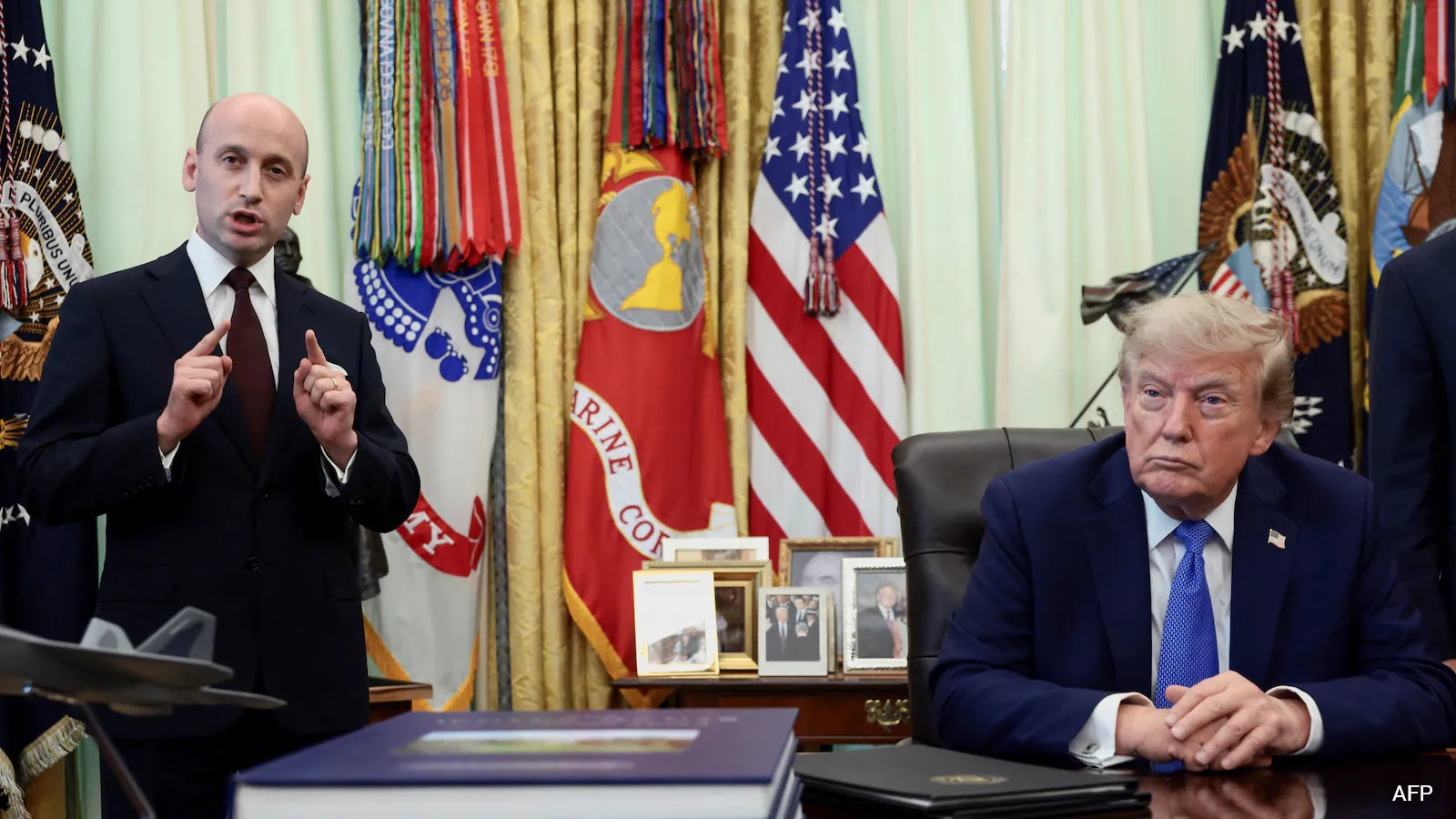
Judge Questions Trump’s New Birthright Citizenship Order, Delays Block
Trump's New Birthright Citizenship Orders Face Legal Challenge
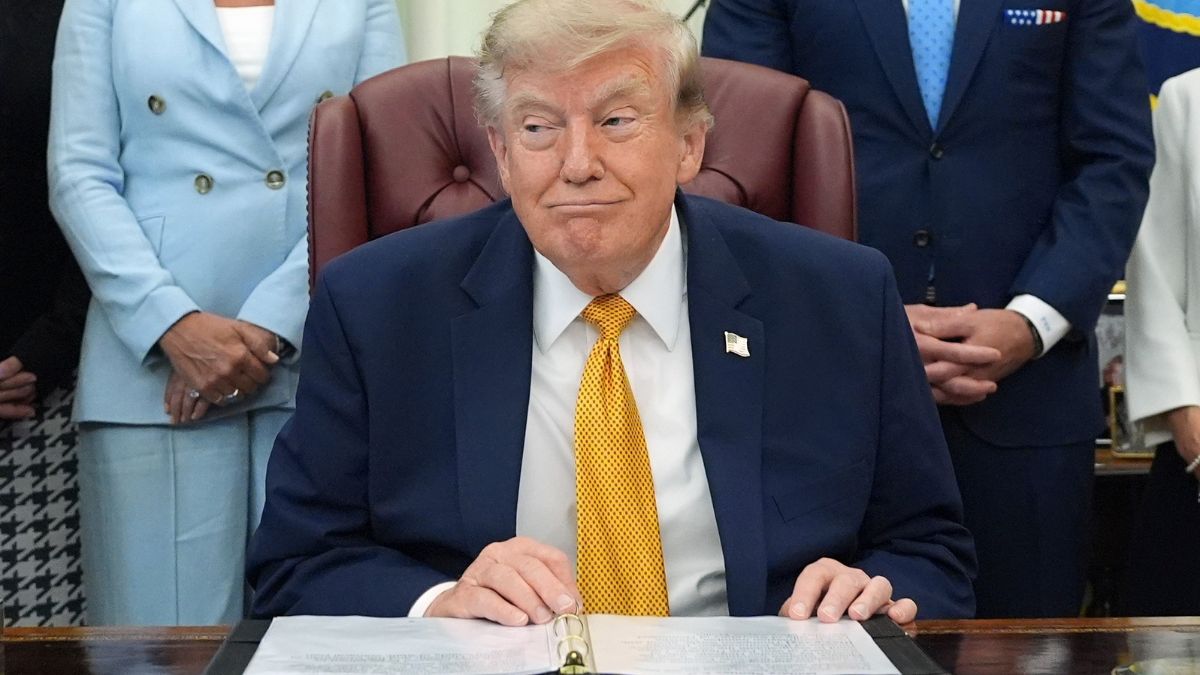
Trump signs executive orders restricting birthright citizenship, banning 'birth tourism'
Trump signs orders limiting US birthright citizenship despite court ruling
