

1 day ago
Trump’s Birthright Citizenship Push Faces Federal Court Block

Birthright citizenship usually means that a baby born in the United States becomes a US citizen automatically.
This generally applies even when the baby’s parents are not US citizens.
The rule comes from the 14th Amendment to the US Constitution.
President Donald Trump’s administration wants to make some exceptions to this rule.
It says the current system can encourage people to travel to the US to have children who receive citizenship.
The proposed changes could affect families with temporary visas, complicated immigration situations, or noncitizen parents.
A federal judge stopped the latest order from being enforced for now.
The court said children covered by the lawsuit would still be citizens when they are born.

A federal judge blocked the Trump administration’s August 6 executive order limiting birthright citizenship.
US birthright citizenship generally grants citizenship to people born on US soil, regardless of their parents’ immigration status.
The order targeted children whose parents include foreign-government workers, so-called “alien enemies,” or people accused of using fraud or commercial arrangements.
Judge Deborah Boardman ruled that children covered by the lawsuit would remain US citizens at birth.
The proposed rules could require parents seeking a child’s passport to provide proof of their own citizenship or immigration status.
- Who
- The Donald Trump administration, families with children born in the United States, and challengers to the executive order.
- What
- The administration sought to restrict birthright citizenship, but a federal judge blocked its latest executive order through a preliminary injunction.
- Where
- The United States, with the blocking ruling issued by a federal district court in Maryland.
- When
- Trump issued the latest order on August 6; Judge Deborah Boardman blocked it on September 2. The article also references a Supreme Court ruling in June 2026 concerning an earlier order.
- Why
- The administration says restrictions would prevent exploitation of citizenship through “birth tourism” and protect the meaning and value of American citizenship.
Trump Administration’s Position
Challengers and Court’s Position
Purpose of the restrictions
Trump Administration’s Position
The administration says the existing system can be exploited through “birth tourism” and that the changes would protect the meaning and value of American citizenship.
Challengers and Court’s Position
Opponents challenged the order, and Judge Deborah Boardman blocked it, ruling that children covered by the lawsuit would remain US citizens at birth.
Constitutional authority
Trump Administration’s Position
The administration pursued a narrower order after its earlier effort faced Supreme Court opposition.
Challengers and Court’s Position
The June 2026 Supreme Court ruling, as described in the article, found that the earlier order conflicted with the 14th Amendment’s Citizenship Clause.
Implementation and documentation
Trump Administration’s Position
The administration argued that the court case was premature because agencies had not yet issued rules implementing the order.
Challengers and Court’s Position
Judge Boardman rejected that argument, while the proposed guidance would require additional parental citizenship or immigration documents for some passport applications.
Key facts
- Legal basis
- Birthright citizenship is rooted in the Citizenship Clause of the 14th Amendment, ratified in 1868.
- Latest executive order
- Donald Trump issued the narrower order on August 6.
- Court action
- US District Judge Deborah Boardman issued a preliminary injunction blocking the order on September 2.
- Targeted categories
- The order included some children whose parents work for foreign governments, are classified as “alien enemies,” or are accused of using fraud or commercial arrangements.
- Proposed documentation
- Parents applying for a child’s US passport could be required to submit proof of their own citizenship or immigration status.
- Potentially affected families
- Families with noncitizen parents, temporary visas, or complex immigration circumstances could be primarily affected.
- Indian-origin families
- The issue could affect Indian-origin families, including people on H-1B visas, permanent residents, and people waiting for green cards.
Sources
Related news
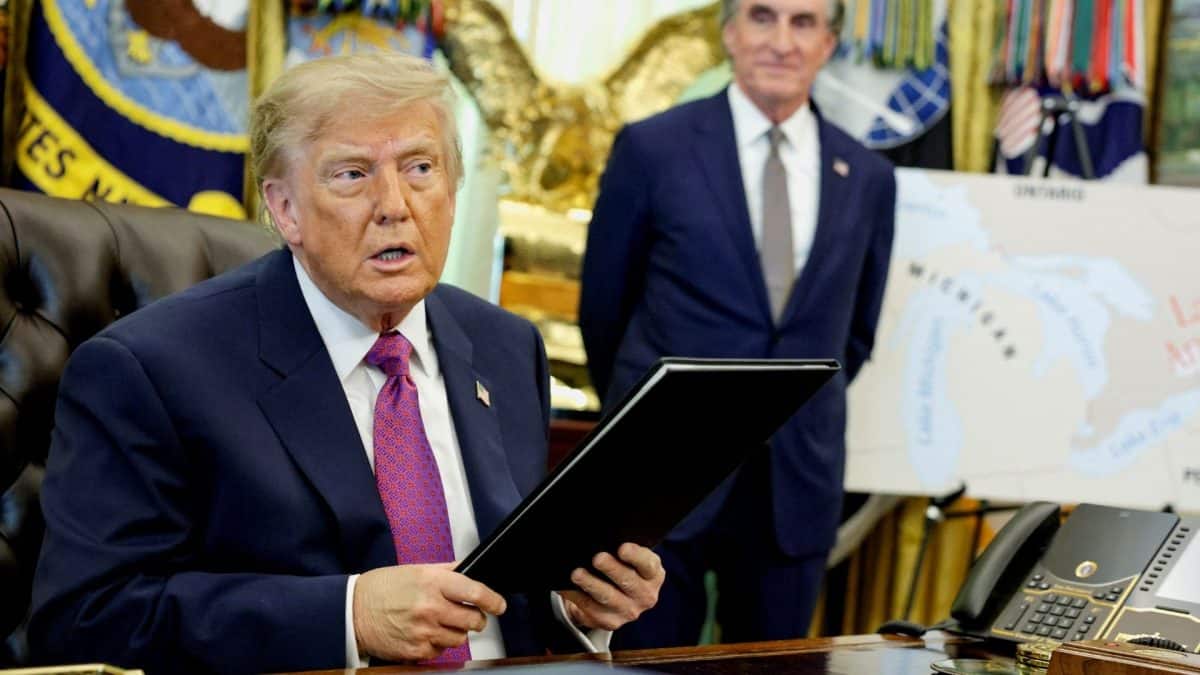
Judge Blocks Trump’s Newest Order Limiting Birthright Citizenship
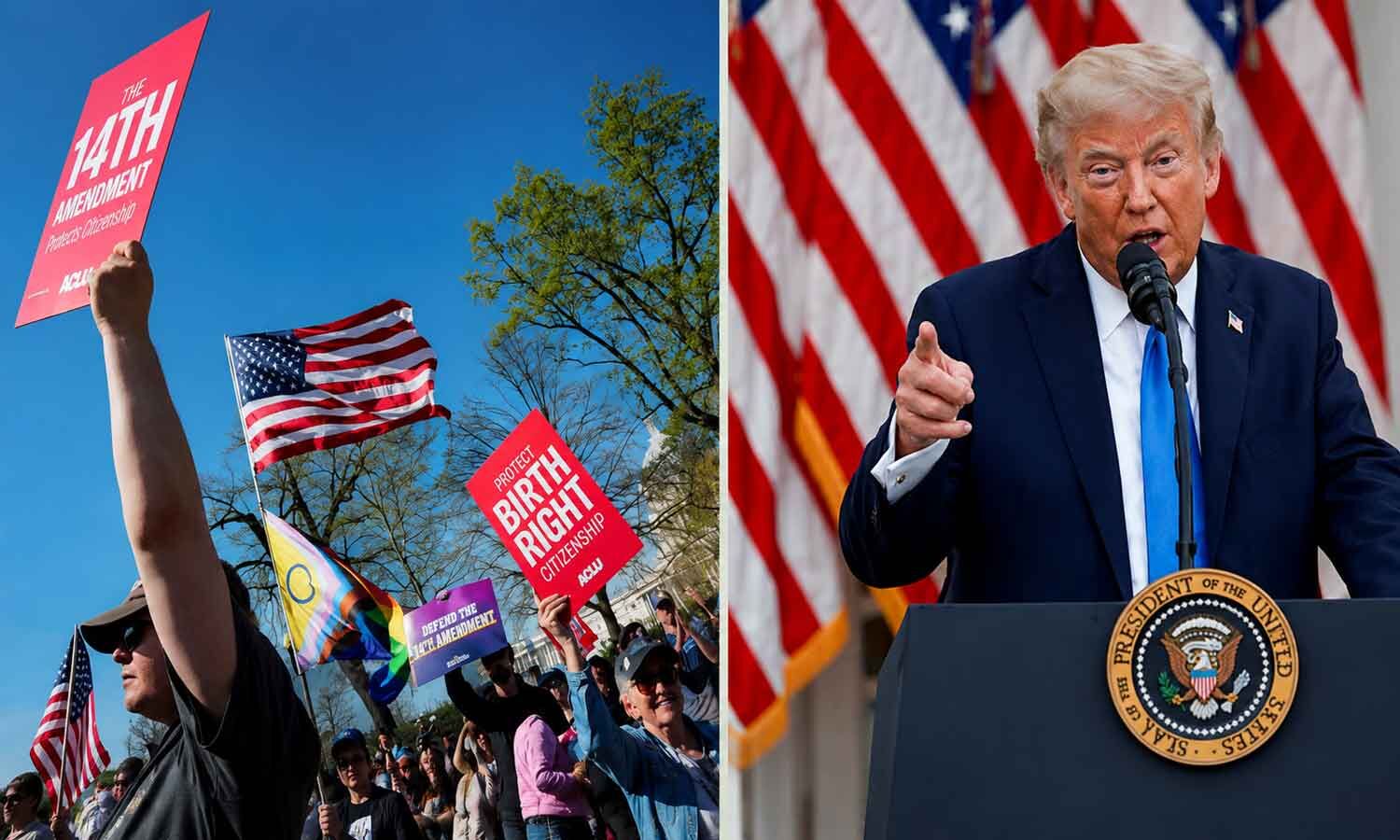
Judge blocks Trump's renewed effort to curb birthright citizenship

Trump Administration Proposes Parental Status Proof for Children’s Passports
Trump's New Birthright Citizenship Orders Face Legal Challenge

Trump's birth tourism orders face uphill legal battle after ruling
Judge Questions Trump’s New Birthright Citizenship Order, Delays Block
Trump H-1B Fee Proposals Could Hit Indian Workers Hard
Proposed H-1B Grace-Period End Raises Indian Worker Concerns
H-1B Visa Holder Leaves US To Rejoin Family
US H-1B Wage Proposal Could Reshape Opportunities For Indian Professionals
