

1 day ago
Florida Bars Undocumented Students From CTE Programs
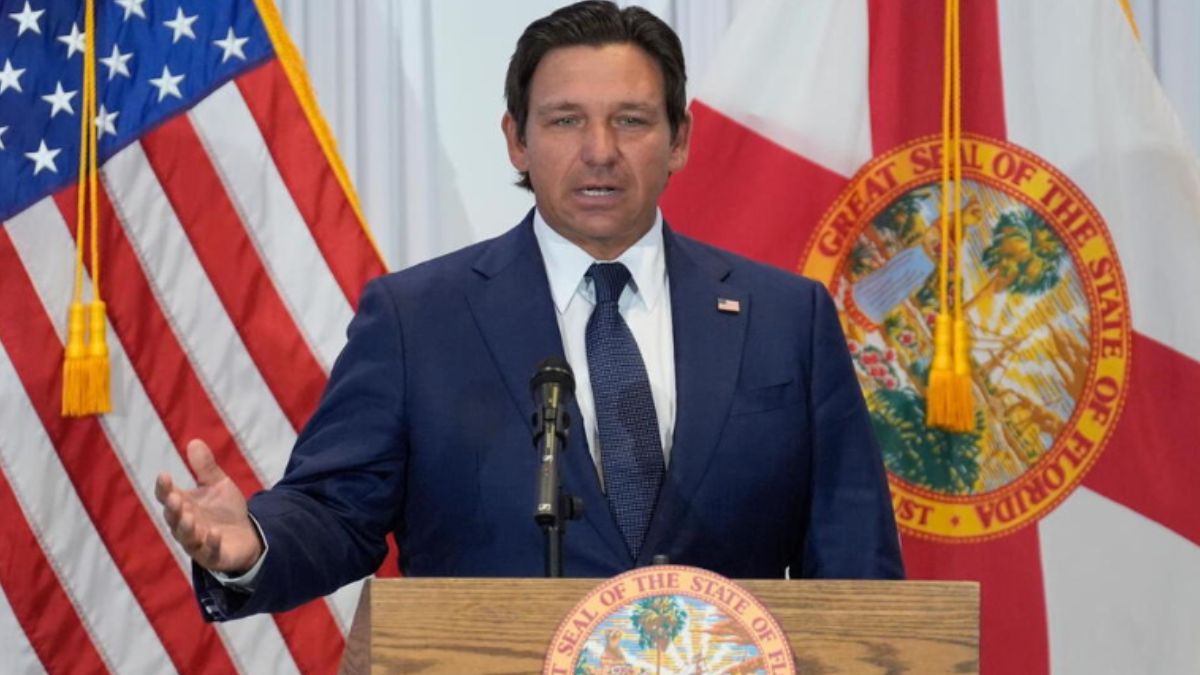
Florida approved a new rule about who can attend career-training programs.
The rule says students without legal immigration status cannot enroll in these programs.
These classes teach practical skills for jobs and college.
They can be offered in middle schools, high schools, technical colleges and state colleges.
The programs include subjects such as technology, health care and manufacturing.
Around 8,000 students without legal status graduate from Florida high schools each year, according to the article.
Critics worry that the rule will make it harder for children from immigrant families to continue their education.
The change is part of broader immigration policies supported by Florida officials.

The Florida Board of Education approved Rule 6A-10.0246, barring undocumented students from CTE programs.
The rule applies across adult education settings, including district technical colleges and Florida College System institutions.
CTE programs cover fields such as information technology, health sciences, STEM, manufacturing and human services.
About 8,000 students without legal status reportedly graduate from Florida high schools each year.
Critics say the policy will reduce education access for students from immigrant families, while state officials frame it as an immigration-enforcement measure.
- Who
- The Florida Board of Education approved the rule; undocumented students are affected.
- What
- Florida approved Rule 6A-10.0246, restricting undocumented students from enrolling in career and technical education programs.
- Where
- Florida’s public education system, including schools, district technical colleges and Florida College System institutions.
- When
- The rule was approved earlier in the week, during a Wednesday Board of Education meeting.
- Why
- The rule is intended to limit enrollment in adult education programs to U.S. citizens and people legally present in the country; critics say it harms educational access.
Critics of the rule
Florida education and immigration-policy supporters
Access to education
Critics of the rule
Critics argue that excluding undocumented students will undermine access to education for students from immigrant families.
Florida education and immigration-policy supporters
Supporters of the rule seek to restrict adult education enrollment to U.S. citizens and people legally present in the United States.
Workforce preparation
Critics of the rule
Critics contend that limiting access to CTE programs removes practical training that can prepare students for careers and college.
Florida education and immigration-policy supporters
The policy’s supporters prioritize eligibility based on immigration status rather than expanding access to career-training programs.
Broader immigration policy
Critics of the rule
Critics view the CTE restriction and related university measures as part of an expanding crackdown affecting undocumented immigrants and foreign workers.
Florida education and immigration-policy supporters
Governor Ron DeSantis and other officials argue that immigration-related programs, including H-1B hiring, can be abused to replace qualified American workers with cheaper foreign labor.
Key facts
- Rule
- Florida Rule 6A-10.0246
- Affected students
- Students without legal immigration status in the United States
- Estimated annual graduates
- About 8,000 students without legal status graduate from Florida high schools each year
- Program areas
- Information technology, health sciences, STEM, manufacturing and human services
- Program locations
- Middle schools, high schools, district technical colleges and Florida College System institutions
- Related university policy
- The State University System Board of Governors unanimously blocked students without legal status from attending Florida’s 12 public universities
- Related H-1B action
- Florida’s public universities approved a yearlong pause on H-1B hiring, effective until January 5, 2027
Sources
Related news
Trump Administration Tightens Scrutiny of Foreign Student Internships
Judge Blocks Trump Visa Limits for Foreign Students, Journalists
Judge Blocks Trump Administration Visa Restrictions for Foreign Visitors

Trump Administration Tightens Scrutiny of International Student Internships
Trump Administration Tightens US Visa Rules for Indians

Judge Blocks Trump Four-Year Student Visa Rule

Florida State Fires Athletic Director Amid Football Slump, Debt

Florida Man Gets Probation After ChatGPT Threat Alert to FBI
Florida to Pause H-1B Hiring at Universities Until 2027

Cleaner Shipping Fuel Reduces Cloud Cooling Effect
