17 hrs ago
New Green Card Rules Tighten Citizenship and Public Charge Reviews
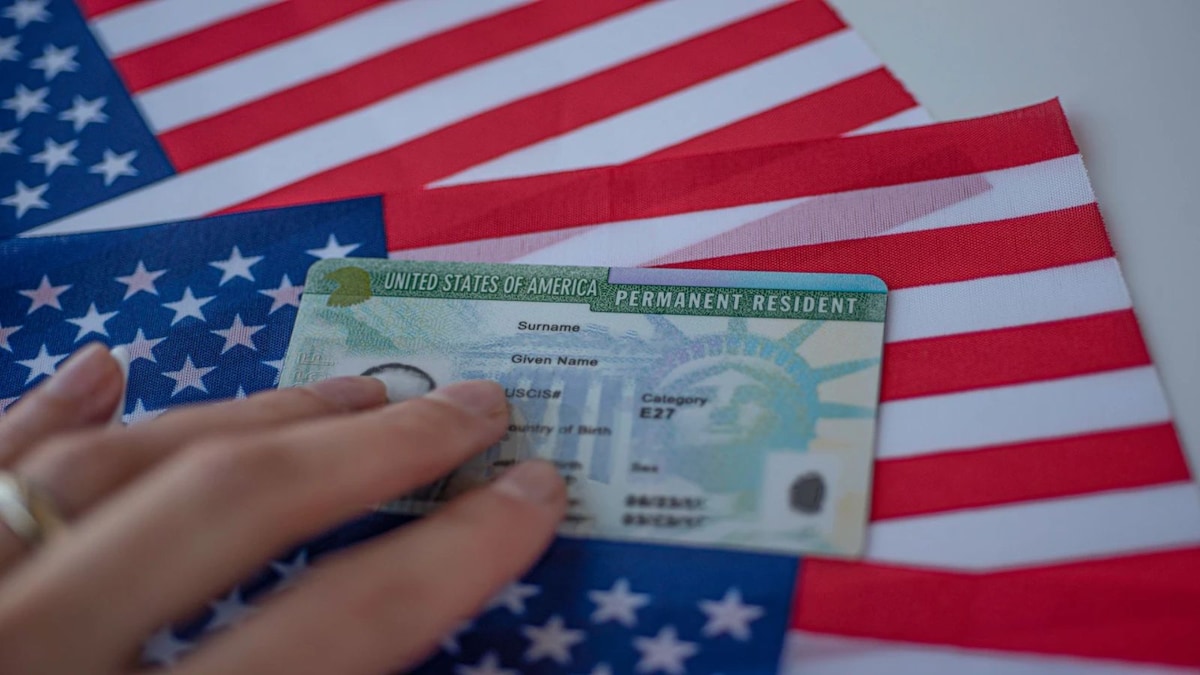
The government has changed two immigration rules.
First, some children born in the United States to foreign government workers may no longer automatically become citizens.
Their parents may instead apply for a green card for them.
This rule covers some official foreign employees and workers with immunity from international organizations.
It does not cover private household workers such as drivers or cooks.
Second, officials will look more closely at whether green card applicants might need government financial help.
They will consider a person’s age, health, family, money, debts, education, and job skills.
After September 18, 2026, programs such as food assistance, housing help, and college aid may be reviewed.
Refugees and several other humanitarian applicants are exempt, and some applicants may post a bond if public charge concerns are the only reason for denial.

A September 4, 2026 rule expands restrictions on citizenship for some U.S.-born children of foreign government employees.
Eligible children may register voluntarily for lawful permanent residence instead of receiving automatic citizenship.
The restriction covers certain foreign civil servants and immune personnel from international organizations, but excludes domestic and private mission staff.
For adjustment-of-status applications filed from September 18, 2026, USCIS will apply a stricter public charge review.
The review considers applicants’ finances, health, family circumstances, skills, benefits use, and sponsors’ income, with some humanitarian exemptions.
- Who
- The Department of Homeland Security, United States Citizenship and Immigration Services, foreign government employees’ U.S.-born children, and green card applicants.
- What
- Two rule changes narrow automatic birthright citizenship for certain children and restore stricter public charge reviews for many green card applicants.
- Where
- The changes apply to U.S. immigration and permanent-residency procedures.
- When
- The citizenship rule took effect September 4, 2026; the revised public charge review applies to adjustment-of-status applications filed on or after September 18, 2026.
- Why
- The stated changes are intended to tighten eligibility for permanent residency and assess applicants’ likelihood of relying on government assistance.
Key facts
- Citizenship rule effective
- September 4, 2026
- Public charge rule effective
- Applications filed on or after September 18, 2026
- Children affected
- U.S.-born children of certain noncitizen foreign government employees and officials with official immunity
- Benefits reviewed after September 18
- Means-tested assistance, including SNAP, housing vouchers, and college financial aid
- Public charge factors
- Age, health, family size, assets and liabilities, job skills or education, and sponsor income
- Exempt applicants
- Refugees, asylees, certain trafficking and crime survivors, VAWA self-petitioners, and Special Immigrant Juveniles
- Possible financial remedy
- Applicants denied solely for public charge concerns may be invited to post a bond through Form I-945
Sources
Related news
US Green Card Public Charge Rules Change September 18, 2026

Proposed US Passport Rules Could Affect Some US-Born Children
New U.S. Green Card Public Charge Rules Take Effect

Trump Administration Proposes Parental Status Proof for Children’s Passports
New US Green Card Rules Expand Public-Charge Scrutiny
States Challenge Trump’s Expanded Green Card Public Charge Rule
Trump Extends $100,000 H-1B Fee Through September 2027