1 day ago
New U.S. Green Card Public Charge Rules Take Effect
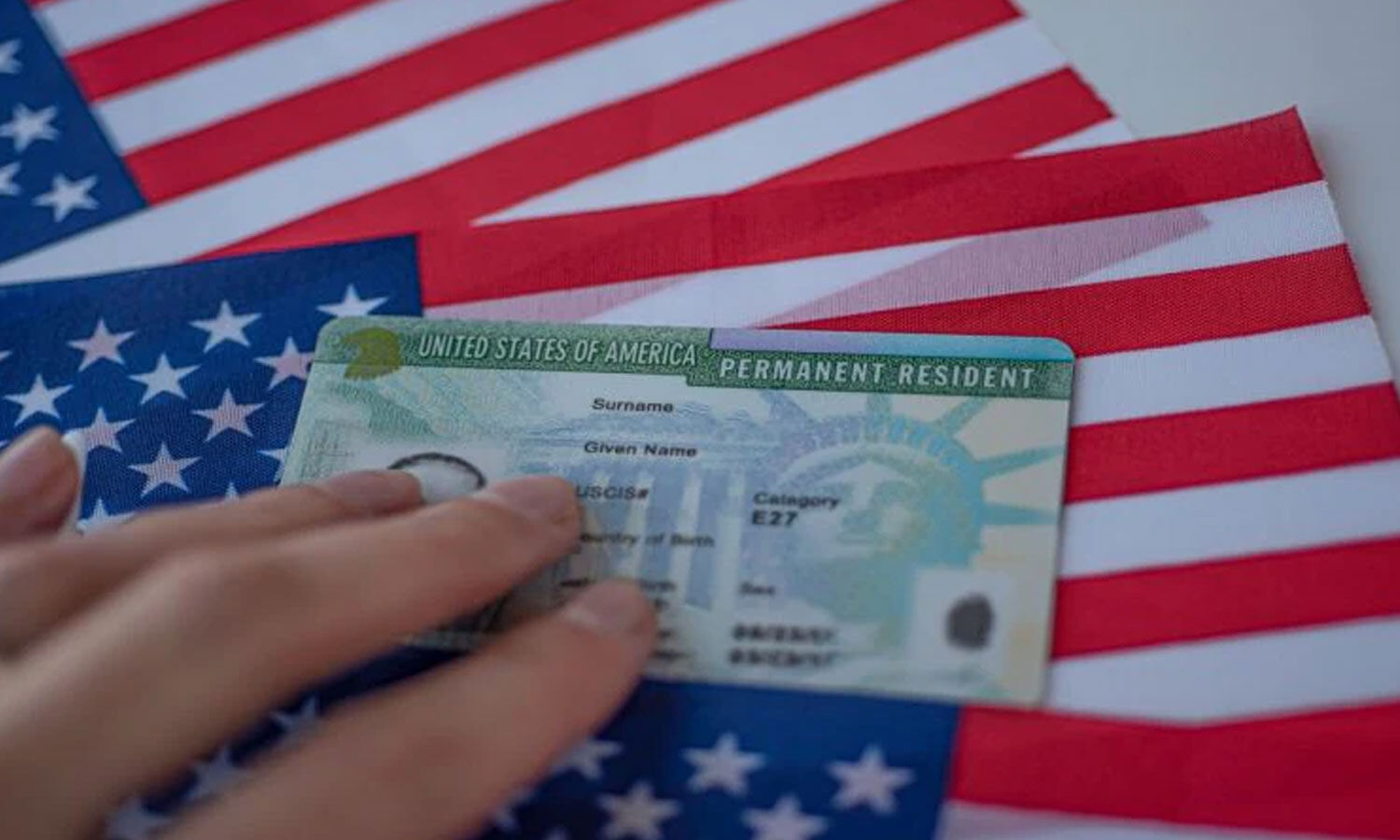
The United States changed how it checks whether some Green Card applicants might depend heavily on government help.
The new rules began on September 18, 2026.
Immigration officers will look at several parts of a person’s life, including age, health, family, money, education, and job skills.
They will consider these facts together instead of using one salary cutoff.
Some housing, food, healthcare, and cash assistance programs may now be considered.
Getting one of these benefits does not automatically mean an application will be rejected.
Applications filed before the new date are generally handled under the earlier rules.
Some refugees, asylees, and other protected applicants are exempt.
In certain cases, USCIS may invite an applicant to provide a public charge bond.

A new public charge framework took effect on September 18, 2026, for certain Green Card applicants.
USCIS will assess age, health, family status, finances, and education and skills together.
A broader range of means-tested benefits may be considered, but receiving benefits does not automatically cause denial.
Applications filed before September 18, 2026, generally remain under the 2022 framework, including for earlier benefits.
The rules may affect employment- and family-based applicants, while several humanitarian categories remain exempt.
- Who
- The United States Citizenship and Immigration Services and people applying for permanent residence, including Indian workers and family-sponsored applicants.
- What
- The United States replaced the 2022 public charge regulations with a framework that allows a broader, case-by-case review of applicants’ circumstances and benefits history.
- Where
- The change applies within the U.S. immigration and Green Card application process.
- When
- The new framework took effect on September 18, 2026; applications filed before that date generally remain under the 2022 framework.
- Why
- The public charge test is used to assess whether an applicant is likely to become primarily dependent on government assistance.
Key facts
- Effective date
- September 18, 2026
- Main application
- Form I-485
- Assessment factors
- Age, health, family status, assets/resources/financial status, and education and skills
- Benefits potentially considered
- Certain means-tested cash, housing, food, healthcare, and financial assistance programs
- Earlier applications
- Properly filed applications submitted before September 18, 2026, remain under the 2022 framework
- Possible bond
- USCIS may invite an applicant to file Form I-945 after issuing a Notice of Intent to Deny
- Exempt categories
- Examples include refugees, asylees, certain special immigrant juveniles, qualifying trafficking or crime victims, VAWA petitioners, and certain TPS applicants
Sources
Related news

US Green Card Public Charge Rules Change September 18, 2026
New US Green Card Rules Expand Public-Charge Scrutiny
New Form I-485 Required for U.S. Green Card Applications
New Green Card Rules Tighten Citizenship and Public Charge Reviews

USCIS Announces Updated Green Card Form September 18
States Challenge Trump’s Expanded Green Card Public Charge Rule
Trump Extends $100,000 H-1B Fee Through September 2027