1 hr ago
CERN Upgrade Targets Dark Matter After Higgs Boson Discovery

Scientists at CERN are getting a powerful machine ready for more experiments.
The machine, called the Large Hadron Collider, smashes tiny particles together.
Its upgrade is expected to produce many more collisions and much more data.
Indian physicist Archana Sharma says this could help scientists look for clues about Dark Matter.
Dark Matter cannot be seen directly, but its gravity seems to affect galaxies.
Another mystery, Dark Energy, is thought to make the universe expand faster.
Scientists say they understand only a small part of what the universe is made of.
The new collider may reveal new particles or clues, but it is not certain to find Dark Matter.

CERN is upgrading the Large Hadron Collider into the High-Luminosity LHC to increase collision rates and data collection.
CERN physicist Archana Sharma says the upgraded collider could help researchers search for rare signals of Dark Matter.
Scientists estimate that familiar, observable matter accounts for about 5% of the universe, while the rest remains poorly understood.
Dark Matter is inferred from its gravitational effects, while Dark Energy is believed to drive the universe’s accelerating expansion.
Researchers have found exotic particles made from heavier quarks, but Sharma said these are not Dark Matter.
- Who
- CERN researchers, including Indian physicist Archana Sharma.
- What
- CERN is upgrading the Large Hadron Collider to support searches for new particles and clues about Dark Matter.
- Where
- CERN, near Geneva, with the collider tunnel crossing the Swiss-French border.
- When
- More than a decade after the Higgs boson discovery in 2012; the article does not specify when the upgrade will begin operating.
- Why
- To collect more collision data and investigate rare signals that could help explain Dark Matter and other unknown physics.
Key facts
- Upgrade
- High-Luminosity Large Hadron Collider (HL-LHC)
- Expected collision rate
- About 10 times the previous rate, according to Archana Sharma.
- Data collection
- Sharma said one year could yield as much data as 10 years previously.
- Known share of the universe
- About 5%, according to the article.
- Higgs boson discovery
- Announced in 2012.
- Collider tunnel
- About 27 kilometres in circumference.
- Dark Matter evidence
- Its presence is inferred from gravitational effects, including the motion of galaxies.
Quotes

Archana Sharma
Senior CERN physicist participating in research on dark matter.
“It will see 10 times the collision rates of what we have seen previously. It means that in one year we will be able to collect the data that we could collect in 10 years before.”
 NDTV
NDTV
“We understand only a few per cent of what the universe is.”
NDTV
Sources
Related news

IceCube Observatory Uses Antarctic Ice to Trace Cosmic Neutrinos
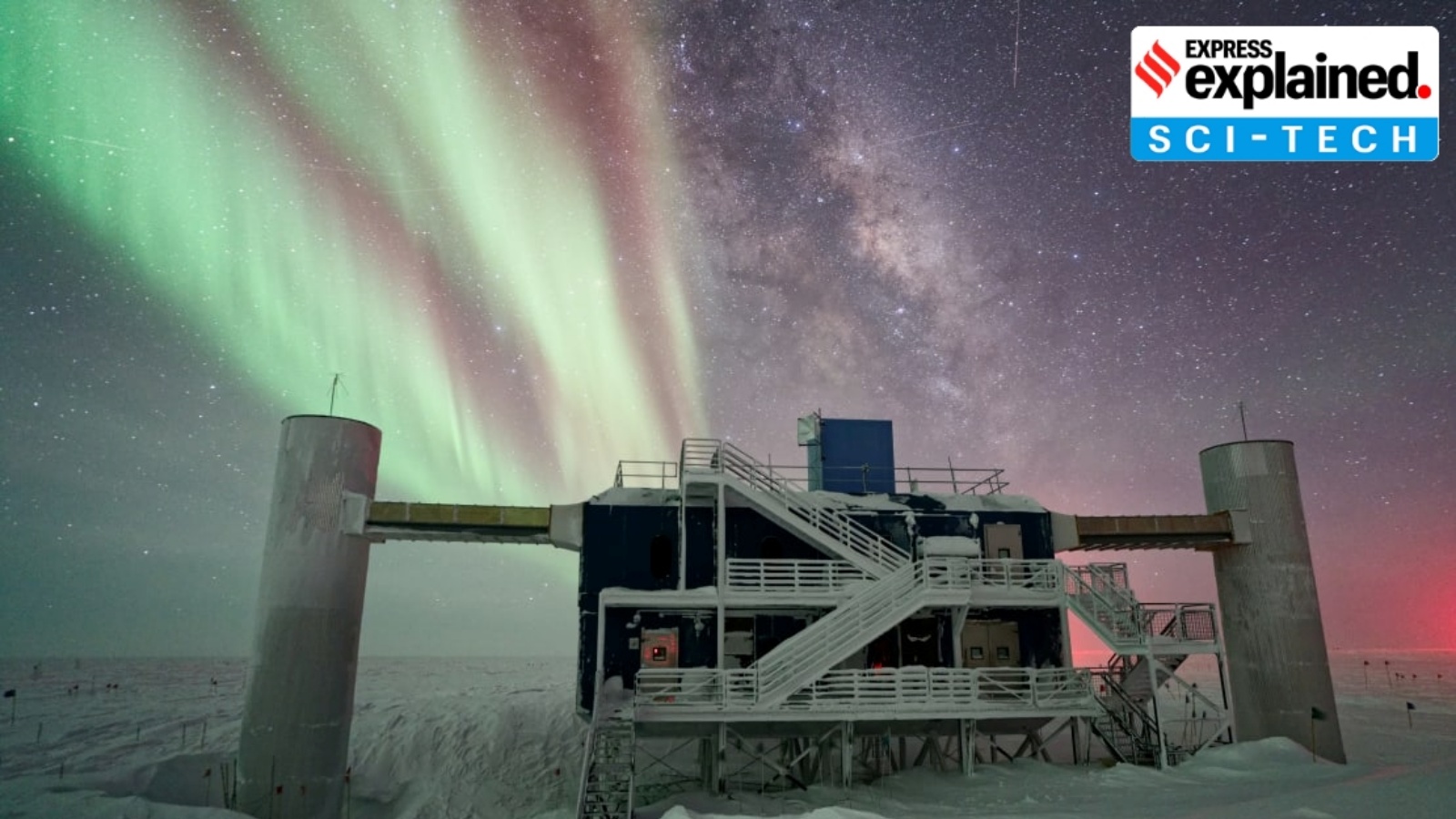
Francis Halzen Wins Physics Nobel for IceCube Neutrino Observatory

Francis Halzen Wins 2026 Physics Nobel for IceCube Neutrino Discovery
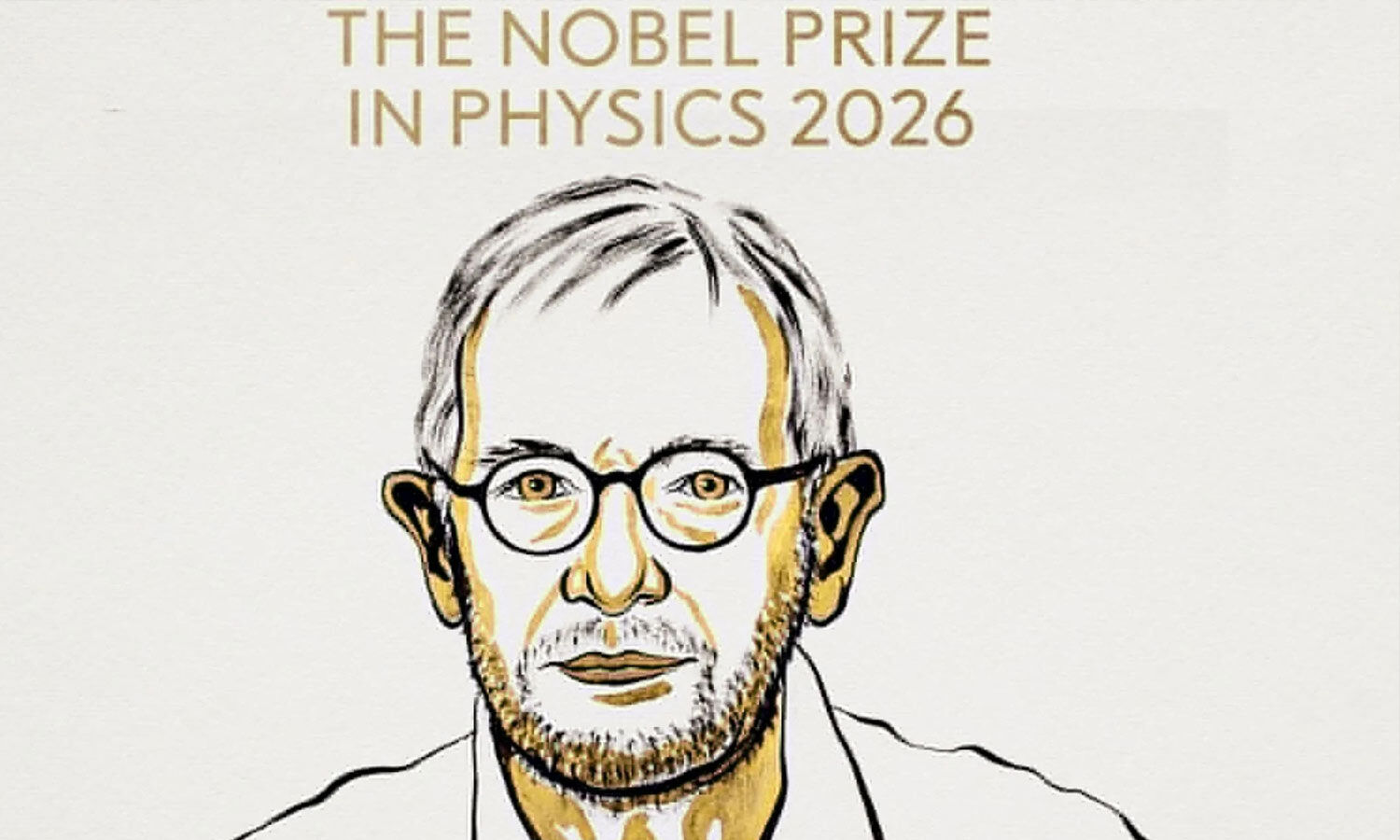
Francis Halzen Wins Nobel Prize for Antarctic Neutrino Discovery
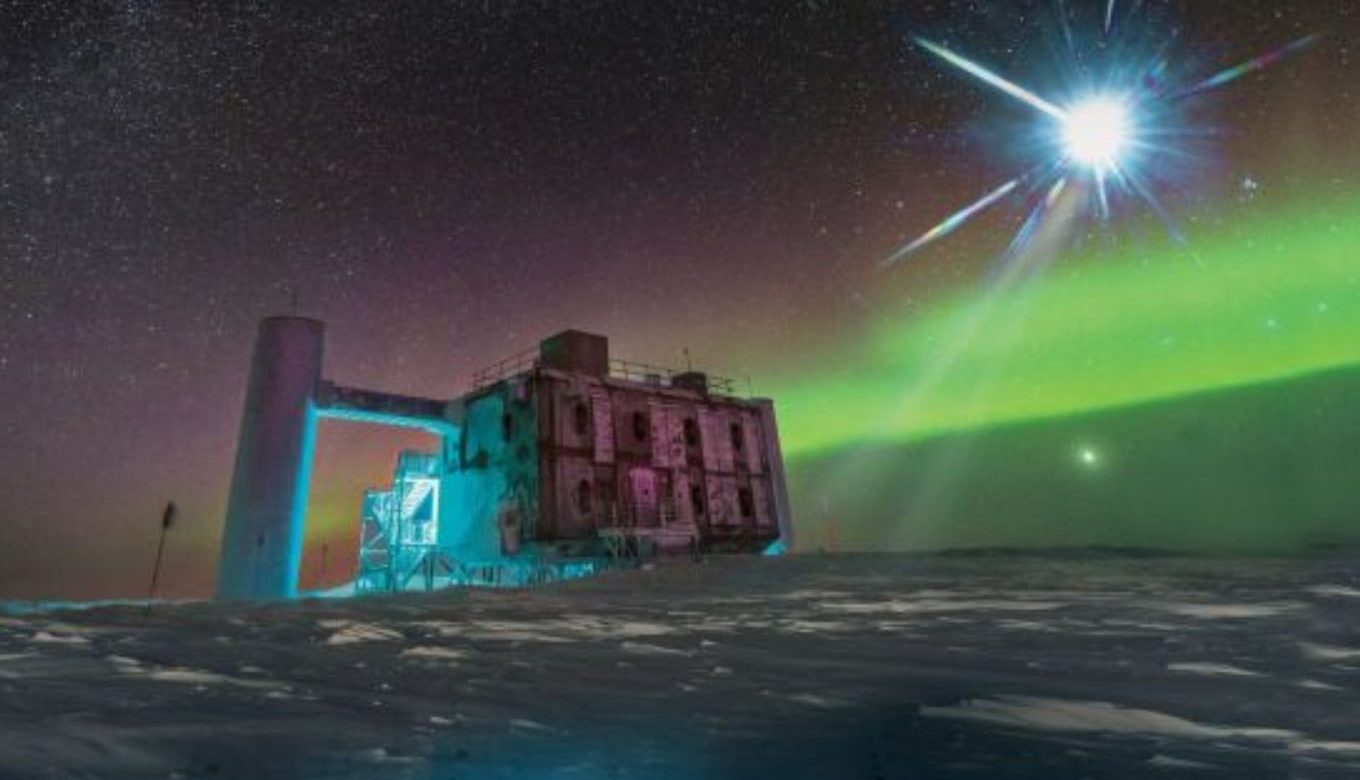
Physics Nobel Honors Francis Halzen’s Hunt for Cosmic Neutrinos
A New Book Connects Upanishadic Teachings with Modern Science
How Neutrinos Earned Their Ghostly Name—and Nobel Recognition

Grade 12 Student Wins CERN Beamline for Schools Physics Competition

CERN Experiment Recreates Cosmic Ray Collisions in Earth’s Atmosphere

Web's Altruistic Gift: Our Collective Responsibility for Ethical Digital Engagement