3 weeks ago
Drug-resistant fungus Candida auris reported in 23 US states

A tiny germ called a fungus is making people sick.
This germ is called Candida auris.
It is hard to kill because medicines do not work well against it.
Scientists found out how it hides in our bodies.
It sneaks into hair follicles, the little pockets where hair grows.
There it can hide for months without being noticed.
It makes the skin weak and easier for other germs to attack.
Mostly it infects people who are already sick in hospitals and nursing homes.
The CDC says it kills nearly 3,000 people in the US every year.
Scientists are studying it so they can teach doctors how to stop it.

Candida auris, a drug-resistant fungus, has been reported in 23 US states with nearly 3,000 cases this year.
Scientists found the fungus enters the body through hair follicles, where it hides from the immune system.
The CDC labels C. auris an 'urgent antimicrobial resistance threat' because some strains resist most antifungal drugs.
Up to 60 percent of infected people have died, though most already had other underlying conditions.
The fungus mostly infects people in hospitals and nursing homes and can survive on surfaces for weeks.
- Who
- Scientists in the US, including Dr Suzanne Noble of UCSF, who led the study; the CDC, which monitors the fungus as an urgent threat
- What
- Found that the drug-resistant fungus Candida auris enters the body through hair follicles and can cause serious bloodstream infections
- Where
- United States, including Texas, which has reported more than 700 cases
- When
- Nearly 3,000 cases have been reported in 23 US states this year
- Why
- The fungus hides in hair follicles to evade the immune system, weakening the body's defenses and making the skin more prone to infections
Key facts
- Pathogen
- Candida auris, a drug-resistant yeast superbug
- Reported cases
- Nearly 3,000 across 23 US states this year
- Texas cases
- More than 700
- Annual US deaths
- Roughly 3,000 per year
- CDC designation
- Urgent antimicrobial resistance threat
- Reported mortality
- Up to 60 percent of infected people, mostly those with underlying conditions
- Transmission setting
- Hospitals and nursing homes; survives on surfaces for weeks
- Symptoms
- Fever, chills, fatigue, low blood pressure, rapid heart rate
Quotes
Dr Suzanne Noble
Professor of microbiology at UCSF and co‑senior author of the study
“They were surprised to see that C. auris actively uses its chitin to turn the skin into a perfect nest.”
 wionews.com
Sources
Related news
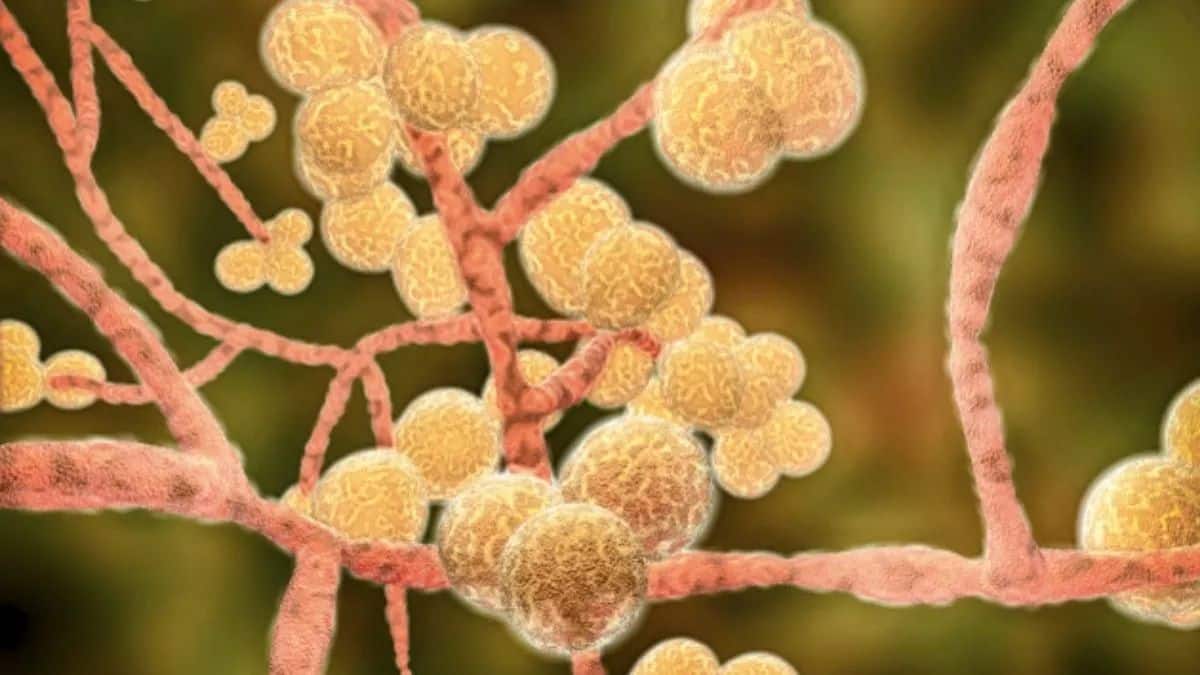
Deadly drug-resistant Candida auris fungus detected in 27 US states

Expert Warns Persistent Cough May Signal Soil-Borne Valley Fever

Mildly High Blood Sugar May Raise Fungal Infection Concerns

War-Rescued Lion Taras Fights Rare Fungal Infection in Minnesota

Scientists warn fungus from mummies could spread and harm humans

How Daily 30-Minute Walks Can Improve Mental Health
Long Covid Gut Study Shows Immune System Can't Clear Virus

Omega-3 Supplements Show No Cognitive Benefits

Oestrogen Linked to Higher Gut Sensitivity in Women