3 weeks ago
Deadly drug-resistant Candida auris fungus detected in 27 US states
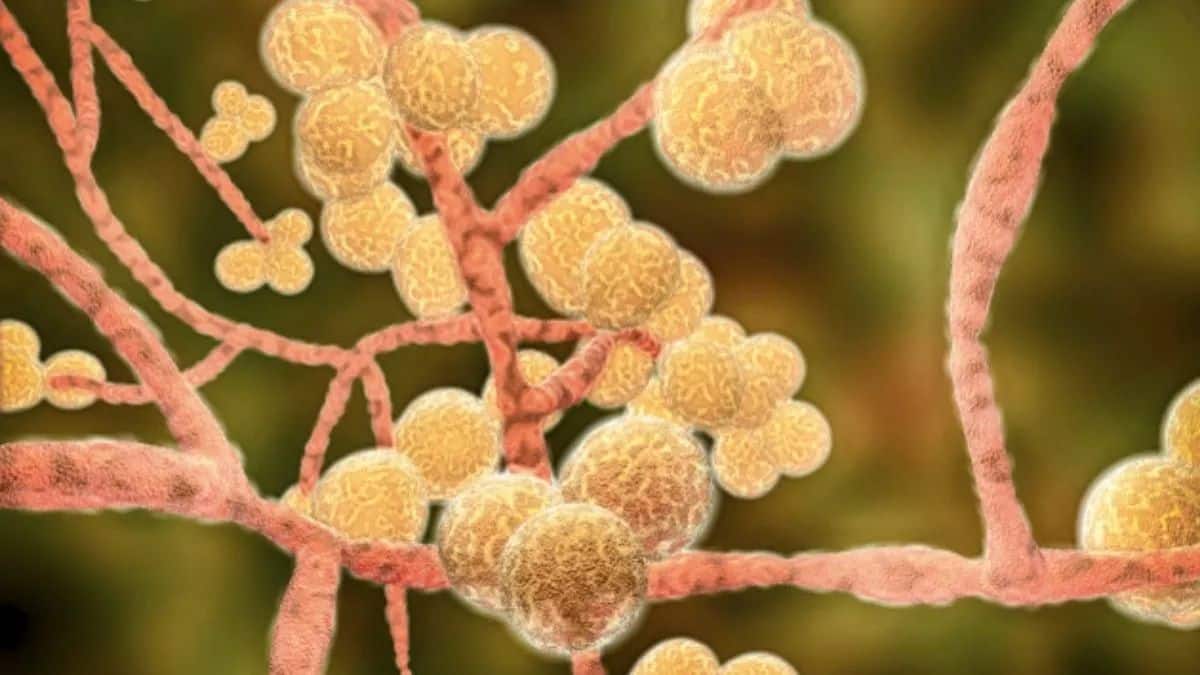
Scientists at the CDC, the group that keeps Americans healthy, have found a tiny germ called Candida auris in 27 states in the United States.
It is a fungus, a bit like the yeast used to make bread, but this one can make very sick people even sicker.
It mostly spreads in hospitals, nursing homes, and long-term care facilities, where people are already very ill.
You don't catch it from the air; you get it by touching a person who has it or touching things like doorknobs and bedrails that have the germ on them.
Most healthy kids and grown-ups don't need to worry, because their bodies can fight it off.
People with weak immune systems, or who are in the hospital with tubes and catheters, can get very sick from it.
The fungus is dangerous because many of the medicines doctors use to stop fungus don't work on it, which is called being 'drug-resistant.'
This year, fewer people got sick from it than last year, which is good news.
Doctors say that washing hands well and putting infected patients in private rooms can help stop it from spreading.

The CDC has identified 3,437 Candida auris cases in 27 US states as of 25 July, about 1,000 fewer than the 4,290 cases reported in the same period last year.
California reported the most cases with 873, followed by Texas with 433 and Tennessee with 283.
The drug-resistant yeast spreads in healthcare settings through direct contact with infected or colonized people and contaminated surfaces such as doorknobs, bedrails, and shared medical equipment.
A CDC study of 8,033 samples collected in 2022-2023 found more than 95% were resistant to the first-line antifungal fluconazole; smaller shares were resistant to amphotericin B, echinocandins, or all three drug classes.
The estimated mortality rate is 30% to 60%, though the CDC says it is hard to determine how much C. auris contributed to deaths of already ill patients.
- Who
- The Centers for Disease Control and Prevention (CDC) and patients in healthcare facilities, especially those with weakened immune systems or chronic conditions.
- What
- The deadly, drug-resistant fungus Candida auris (C. auris), a type of yeast, was detected in 27 US states with 3,437 cases identified.
- Where
- The United States, with the highest case counts in California (873), Texas (433), and Tennessee (283).
- When
- As of 25 July this year; the same period last year recorded 4,290 cases.
- Why
- C. auris is a WHO-designated critical-priority fungal pathogen that causes severe infections, is frequently resistant to antifungal drugs, and spreads easily in healthcare settings.
Key facts
- Pathogen
- Candida auris (C. auris), a type of yeast
- Cases identified
- 3,437 as of 25 July
- States affected
- 27 US states
- Same-period cases last year
- 4,290 (about 1,000 fewer this year)
- Highest case states
- California 873, Texas 433, Tennessee 283
- History
- Discovered in 1996 by Korean researchers; identified as a new species in Japan in 2009; first reported in the US in 2016
- Estimated mortality rate
- 30% to 60%
- Fluconazole resistance
- More than 95% of 8,033 samples tested (2022-2023)
Quotes
Peter Chin-Hong, MD
Professor of medicine at the University of California, San Francisco
“The rapid emergence around the world and the speed of spread in the US is alarming. The public should definitely be aware of this concern and how it may impact them or those they care about.”
 firstpost.com
“It is often multidrug-resistant, so some antifungals may not be reliable as in other Candida species. It can also persist in healthcare environments, making it difficult to eradicate.”
firstpost.com
Melissa Nolan, Assistant Professor
Assistant professor of epidemiology and biostatistics at the University of South Carolina
“If you get infected with this pathogen that’s resistant to any treatment, there’s no treatment we can give you to help combat it. You’re all on your own.”
firstpost.com
Sources

Related news

Drug-resistant fungus Candida auris reported in 23 US states

Cyclospora Outbreak in US: 11,500+ Cases, Two Deaths Reported

Expert Warns Persistent Cough May Signal Soil-Borne Valley Fever

ICMR Study Links Drug-Resistant Infections to Higher Death Risk

Bargarh Woman Becomes District’s First Female Commercial Pilot

Sam Altman Says AI Capabilities and Safeguards Must Advance Together

Sony and Warner Sue Anthropic Over AI Music Training

Mother Bear And Three Cubs Rescued From California Water Tank
Overnight Rescue Saves Climber Trapped On Narrow Ledge