5 days ago
Mildly High Blood Sugar May Raise Fungal Infection Concerns
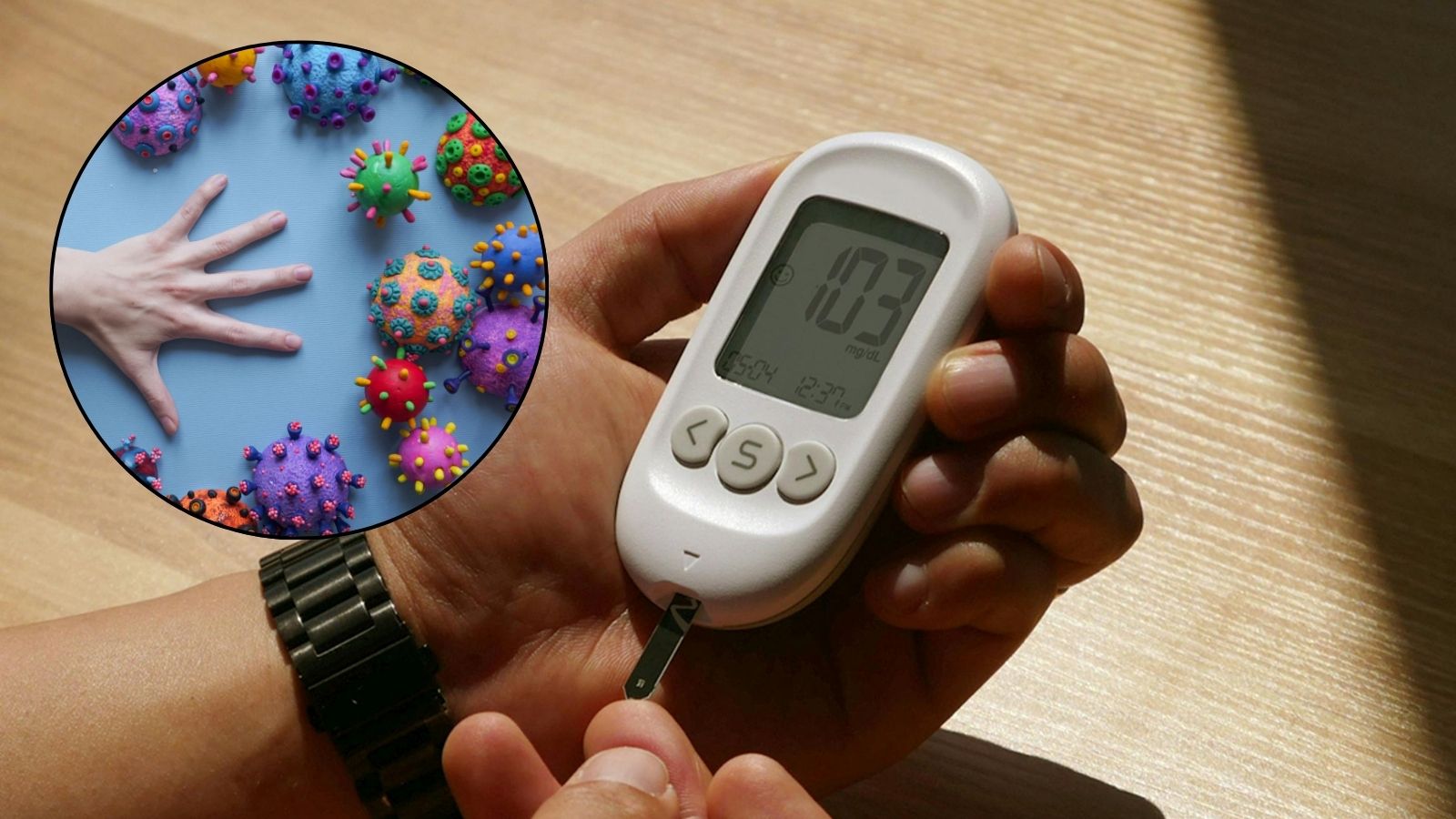
A little high blood sugar does not mean someone will definitely get a fungal infection.
The clearest link is seen in people with diabetes or poorly controlled blood sugar.
If glucose stays high, some parts of the immune system may not work as well.
Extra glucose may also help fungi such as Candida grow.
Fungal infections can affect the mouth, genitals, skin, feet, and nails.
Infections that keep coming back or take a long time to go away may be worth discussing with a doctor.
Doctors may check blood sugar with fasting glucose or an HbA1c test.
Sometimes they may use an oral glucose tolerance test for more information.
Recurrent fungal infections alone do not prove that a person has prediabetes or diabetes.

Mildly elevated blood sugar does not automatically cause fungal infections, with the strongest evidence involving established or poorly controlled diabetes.
Persistently high glucose may impair immune cells and support the growth and adherence of organisms such as Candida.
Infections associated with elevated blood sugar include recurrent genital or oral candidiasis, skin, foot and nail infections, athlete’s foot, and ringworm.
Recurrent, unusually persistent, or treatment-resistant fungal infections may justify discussing blood sugar testing with a doctor.
Suggested tests include fasting plasma glucose and HbA1c, with an oral glucose tolerance test sometimes providing additional information.
- Who
- People with mildly elevated blood sugar and those experiencing recurrent or persistent fungal infections; Dr Palleti Siva Karthik Reddy provided the expert comments.
- What
- The article examines whether mildly elevated blood sugar can increase susceptibility to fungal infections and when testing may be appropriate.
- Where
- The expert comments were provided to indianexpress.com; specific infection sites include the mouth, genitals, skin, feet, and nails.
- When
- The article refers to recurrent or unusually persistent infections and cites the 2026 American Diabetes Association criteria.
- Why
- Persistently elevated glucose may impair immune cells and encourage the growth or adherence of fungi, although mild elevation alone does not establish a cause.
Key facts
- Expert
- Dr Palleti Siva Karthik Reddy, consultant physician at Elite Care Clinic
- Commonly discussed infections
- Candidiasis, skin, foot and nail infections, athlete’s foot, and ringworm
- Initial blood sugar tests
- Fasting plasma glucose and HbA1c
- Additional test
- A 75 g oral glucose tolerance test may provide more information when results are borderline or suspicion remains
- Prediabetes HbA1c range
- 5.7%–6.4%, according to the criteria cited in the article
- Prediabetes fasting glucose range
- 100–125 mg/dL, according to the criteria cited in the article
- Prediabetes two-hour glucose range
- 140–199 mg/dL during an oral glucose tolerance test, according to the criteria cited in the article
Quotes
Dr Palleti Siva Karthik Reddy
Consultant physician at Elite Care Clinic who discusses blood sugar and fungal infection risk
“A mild elevation in blood sugar does not automatically mean a person will develop fungal infections, and the strongest evidence is with established or poorly controlled diabetes. However, dysglycaemia can be an early warning sign, particularly when infections are recurrent. Persistently elevated glucose can impair immune cells such as neutrophils and macrophages, reducing the body’s ability to contain infections. Higher glucose availability can also favour the growth and adherence of organisms s”
 indianexpress.com
“Dermatophyte infections such as athlete’s foot and ringworm can also be more common. A fungal infection that repeatedly returns, responds poorly to appropriate treatment, or takes unusually long to resolve should prompt an assessment of underlying risk factors, including blood glucose, particularly if the person also has other features such as increased thirst, frequent urination, unexplained weight changes or a family history of diabetes.”
indianexpress.com
Sources
Related news

Antibiotics may temporarily affect blood sugar, glucose metabolism

Recognizing Ten Common Symptoms of Hyperglycaemia Early

Ditch the Damp, Stop the Itch: Monsoon Fungal Infection Guide

High Glucose With Low HbA1c Requires Medical Evaluation

H1N1 Cases Rise in Delhi, Diabetics Warned About Complications