

2 weeks ago
Scientists warn fungus from mummies could spread and harm humans
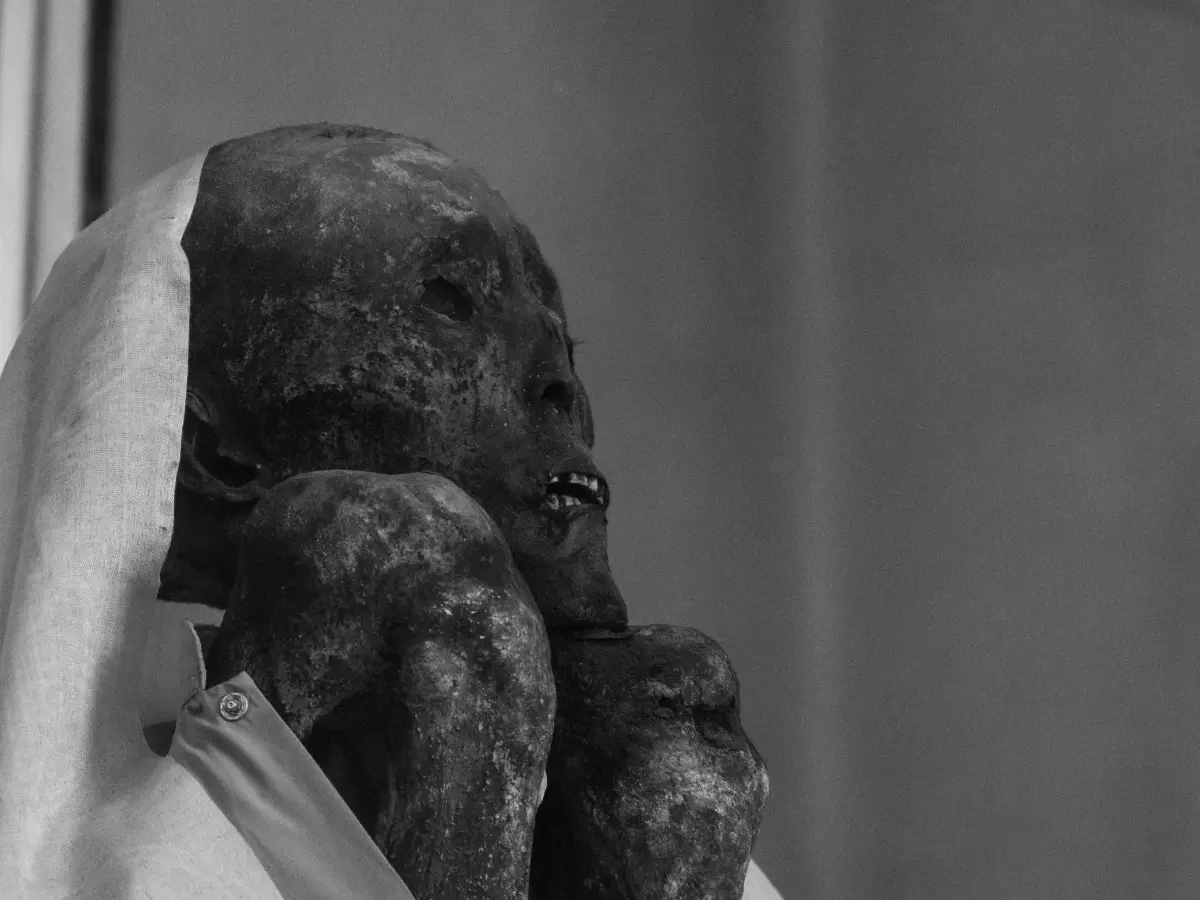
Mummies are ancient bodies that have been preserved for a very long time.
Some people buy mummified hands, feet, and heads on the internet.
Scientists found that these mummies can have tiny fungus and germs on them.
If someone touches or handles them, the fungus could make them sick.
Scientists looked at 128 online listings of mummies.
Almost none of the sellers told buyers how to handle them safely.
Some mummies also contain poisonous chemicals like arsenic, mercury, and lead.
These chemicals were used long ago to preserve the bodies.
Even when fungus is not visible, it might still be hiding on the mummy.
Scientists say everyone involved, including delivery workers, should be careful.

University of Staffordshire scientists found that fungal and microbial growth on mummified remains sold online could transfer to handlers and buyers, posing health risks.
Researchers reviewed 128 online posts and auction listings and found that very few provided guidelines on safe handling of the remains.
The listings were non-compliant with postal regulations, putting delivery workers and customs officials involved in shipping at risk.
Hands, feet, and heads at different levels of preservation were up for sale, with some posts showing people handling remains without gloves.
Aspergillus spores are believed to have killed 10 of 12 conservation scientists who opened the tomb of King Casimir IV Jagiellon in Kraków in the 1970s.
- Who
- Scientists at the University of Staffordshire led by Dr Kirsty Squires, along with online sellers, buyers, and delivery workers involved in the trade of mummified remains.
- What
- A study warning that fungal and microbial growth on mummified human and animal remains sold online could spread to those who handle them, posing health and biosecurity risks.
- Where
- University of Staffordshire (research), online auction listings and social media (sales); historical references to Kraków and Tutankhamun's tomb.
- When
- The article does not specify the study's publication date; it cites a 1970s incident in Kraków as a historical example of fungus harming people.
- Why
- Because mummified remains can carry fungal spores and toxic embalming substances, and most online listings provide no safety guidance for handling them.
Key facts
- Lead Researcher
- Dr Kirsty Squires, Professor of Human Bioarchaeology at the University of Staffordshire
- Research Institution
- University of Staffordshire
- Listings Analyzed
- 128 online posts and auction listings
- Types of Remains Sold
- Hands, feet, and heads at different levels of preservation
- Toxic Embalming Substances
- Arsenic, mercury, and lead
- Historical Example Cited
- Aspergillus spores believed to have killed 10 of 12 conservation scientists in Kraków in the 1970s
- Main Risk
- Fungal spores and microbial growth can spread through the air and via handling of remains
- Postal Compliance
- Listings found non-compliant with postal regulations
Quotes
Lead author Dr Kirsty Squires
Professor of Human Bioarchaeology, University of Staffordshire
“The rise of the internet, especially social media, has amplified international trafficking and driven demand for unique cultural heritage, including mummified humans and animals.”
 wionews.com
Sources
Related news

Nepal Morgues Overflow as Authorities Preserve Unidentified Bodies
Fungus Found in Pakistan Landfill Breaks Down Tough Plastic

More Than 50 Decomposing Bodies Found at Chicago Funeral Home
Deadly drug-resistant Candida auris fungus detected in 27 US states
Nepal Begins Mass Burials as Flood Death Toll Reaches 903
