1 day ago
Engineers Investigate Corrosion in LHB Coach Bogies
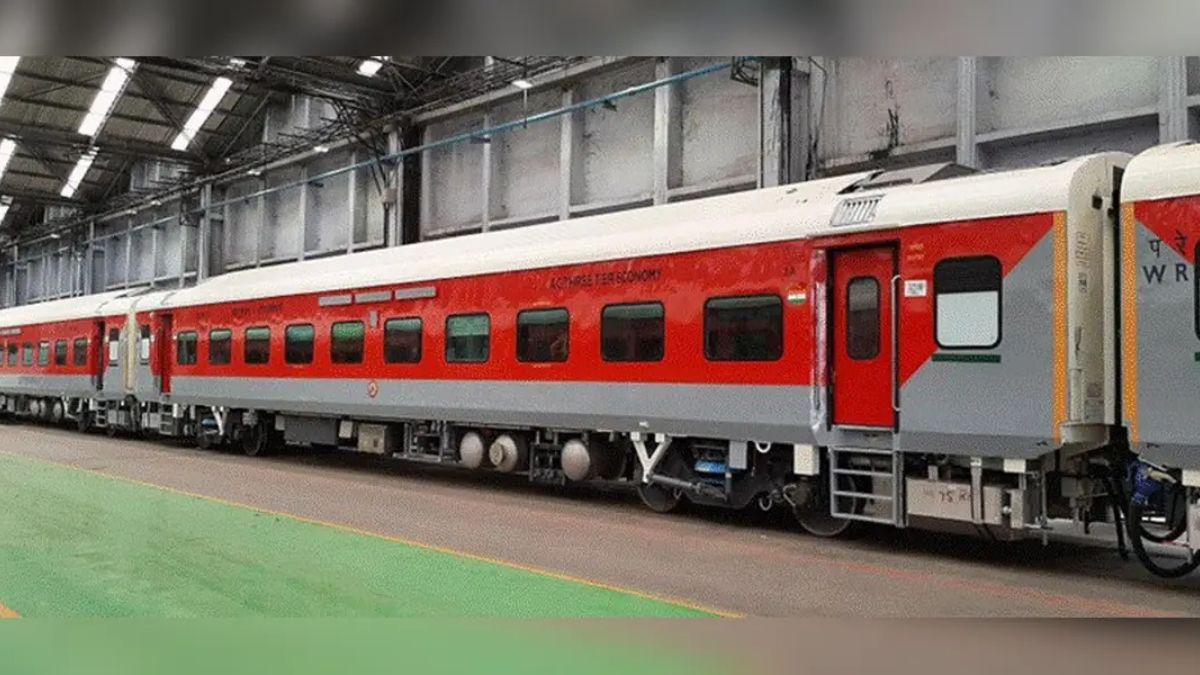
Some railway coaches are developing serious rust in the parts underneath them called bogies.
Bogies help support the coach and keep it moving safely.
Engineers found that water and waste can leak from bathrooms and reach metal parts.
This liquid can contain chemicals that make rust form quickly.
Salt in the air near the coast can also speed up rusting.
Strong cleaning chemicals and dirty or salty washing water may add to the problem.
Damage to the coach or gaps around advertising coverings can let more water enter.
Railway factories and regional railway teams are now checking the coaches and looking for ways to stop the corrosion.

Senior railway engineers warned that heavy corrosion in LHB coach bogies could become a passenger safety concern.
The Railway Board asked ICF, RCF and MCF to investigate the problem and recommend corrective measures.
Eastern Railway identified leakage or overflow from lavatories, damaged steel, cleaning practices and advertisement-wrapper gaps as possible causes.
Saline coastal air, aggressive cleaning chemicals and untreated or high-salinity washing water may accelerate corrosion.
Railway zones were instructed to inspect safety-critical components, improve drainage, and ensure proper rinsing, drying and corrosion protection.
- Who
- Senior railway engineers, the Railway Board, Eastern Railway, railway zones and three coach-manufacturing units are examining the issue.
- What
- Heavy corrosion has been found in the bogies and related underframe components of Linke Hofmann Busch passenger coaches.
- Where
- The problem involves LHB coaches operated by railway zones, with particular risks identified in underframe and lavatory areas and on coastal routes.
- When
- The issue was discussed at a recent conference of principal chief mechanical engineers; Eastern Railway’s detailed corrosion report was prepared in March.
- Why
- Lavatory leakage, water ingress, saline air, cleaning practices, damaged surfaces and blocked drainage may allow corrosive moisture to reach structural components.
Key facts
- Affected coaches
- Air-conditioned and non-air-conditioned Linke Hofmann Busch coaches
- Concern
- Heavy corrosion in bogies and related structural components
- Units asked to investigate
- Integral Coach Factory in Chennai, Rail Coach Factory in Kapurthala and Modern Coach Factory in Rae Bareli
- Identified corrosion areas
- Underframes, trough floors, sole bars and headstocks, including areas near lavatories
- Possible chemical cause
- Leaked or overflowing effluent described as acidic and rich in chlorides
- Environmental risk
- Saline air in coastal regions can accelerate electrochemical corrosion
- Recommended maintenance
- Keep drains and passages clear, avoid aggressive chemicals and untreated water, and rinse and dry surfaces properly
Quotes
Railway Board conference minutes
Minutes compiled by the Railway Board from a conference of senior railway technical officials
“Although bio-toilets are designed to treat waste, any accidental overflow or leakage of effluent which is acidic and rich in chlorides causes rapid corrosion of the trough floor, sole bars and headstock”
 financialexpress.com
“Coaches running in coastal regions are exposed to saline air. The high salt (NaCl) content acts as a powerful electrolyte, accelerating the electrochemical process of corrosion”
financialexpress.com
Sources
Related news

Railways Launch 10-Day Water Cooler Inspection Drive After CAG Findings
Indian Railways Launches Drive to Improve Station Drinking-Water Safety

Northeast Frontier Railway Completes LHB Coach Conversion
PAC To Probe Mumbai Railways' Water And Sanitation Gaps
Parliamentary Panel Seeks Railways’ Answers on Passenger Amenities
Audit Flags Rust and Sensor Failures at Signature Bridge
Railway Staff Honoured During Seva Diwas Celebrations in Bengaluru
Indian Railways Approves Maharashtra Projects to Boost Train Operations
Vijayawada Railway Division Launches Swachhata Hi Seva 2026 Campaign
Bandra Terminus Plans Larger Holding Area With New Ticketing
Couple Confronted Over Railway Bedsheets After Alleged Extra Charge