2 hrs ago
Indian Railways Plans More Tracks and Corridors for Freight
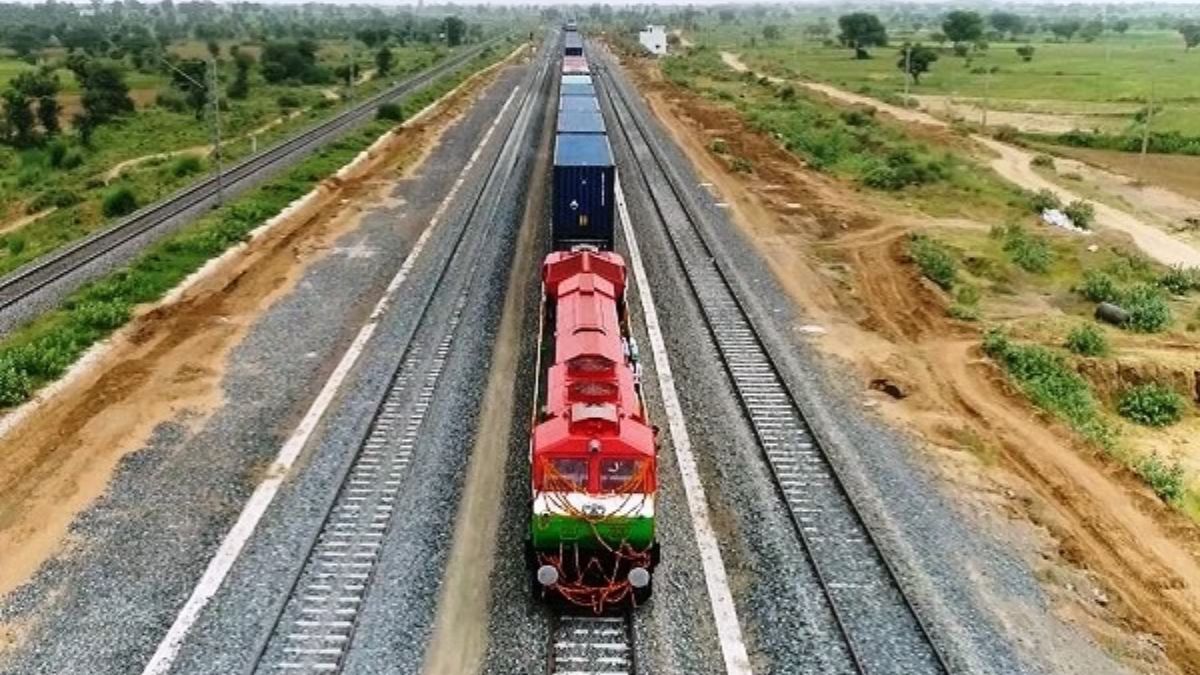
Indian Railways carries both passengers and goods across India.
Some of its busiest tracks are so crowded that trains can be delayed.
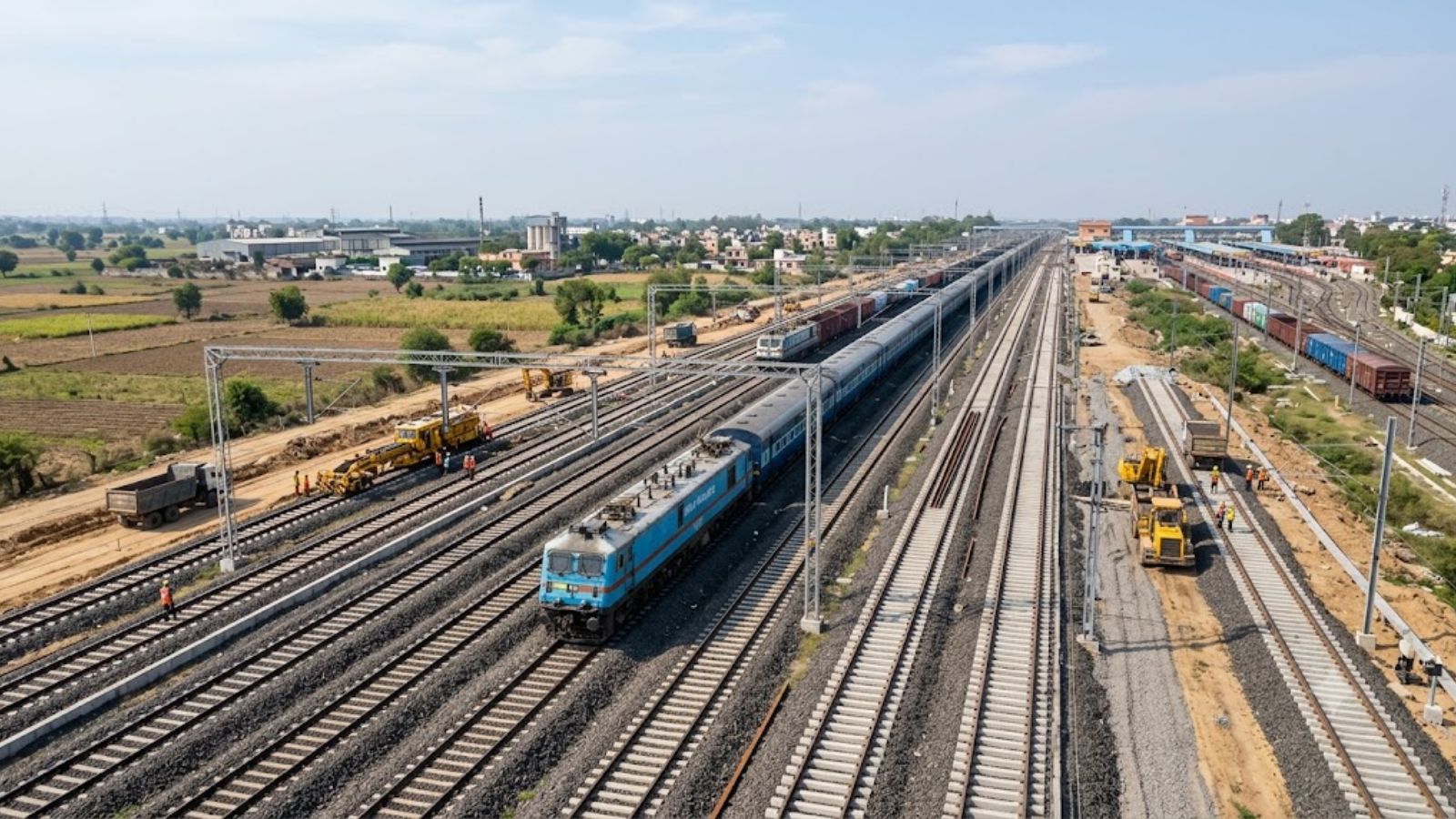
The railway wants to add more tracks so more freight trains can run.
Freight trains carry things such as coal, minerals, containers and food supplies.
Railways hopes to raise the amount of freight it carries to 3,000 million tonnes each year by 2030.
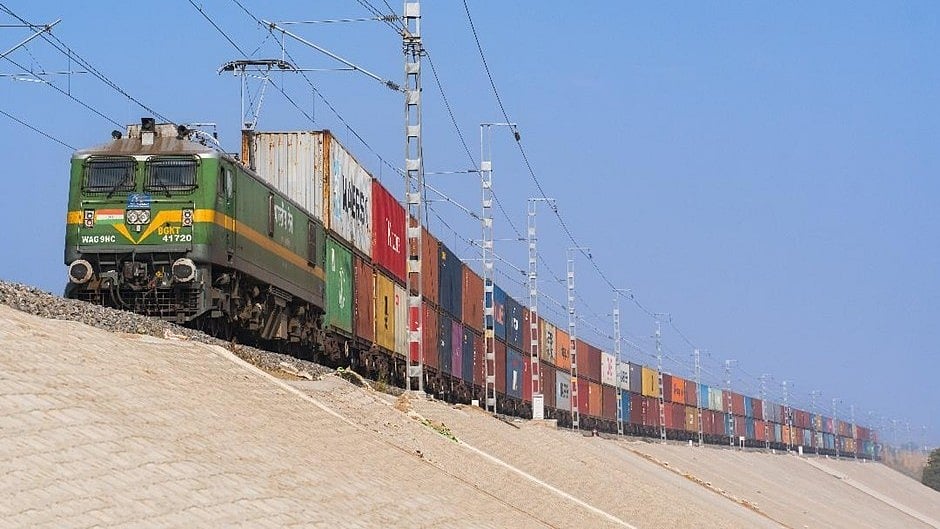
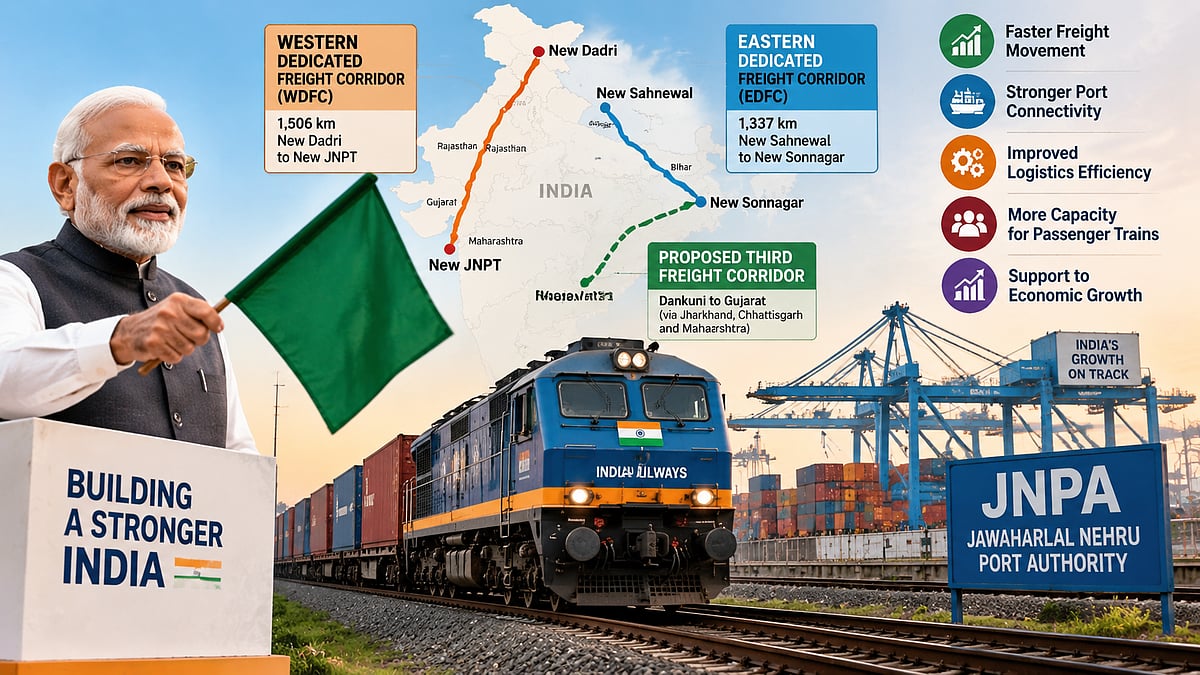
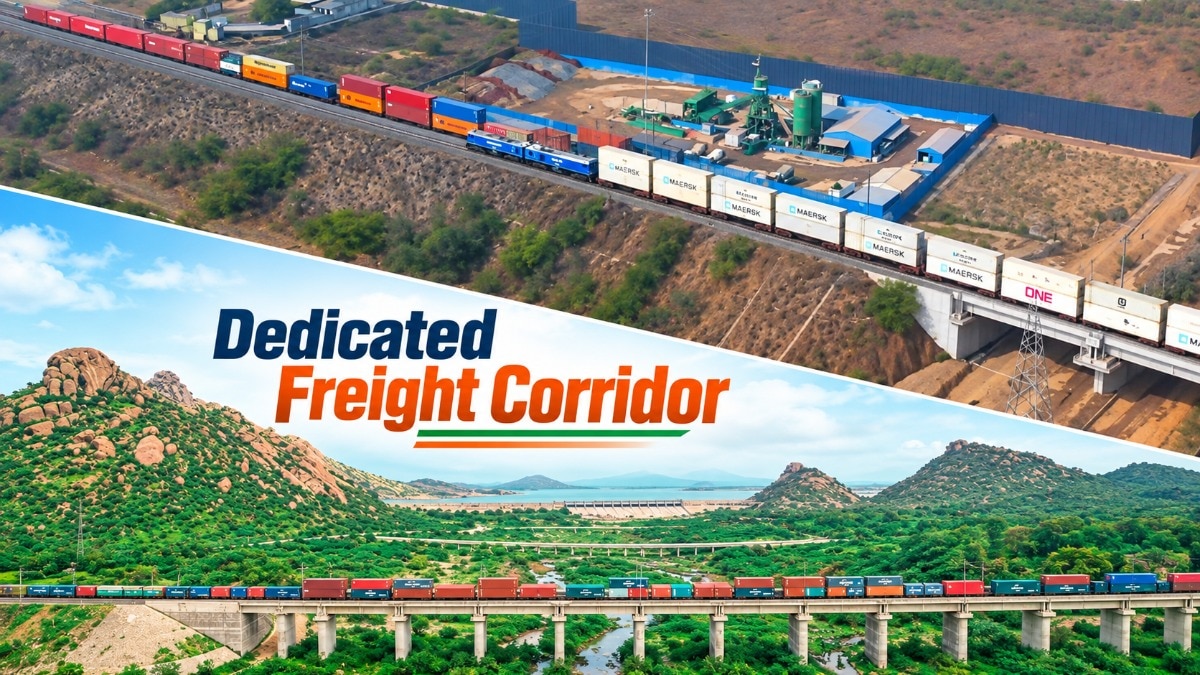
Special freight-only routes, called Dedicated Freight Corridors, help goods trains avoid crowded passenger routes.
Two such corridors are already fully operational.
Railways is also proposing a new East-West corridor between West Bengal and Gujarat.
Moving more goods by rail could reduce transportation costs and delays.

Indian Railways is expanding tracks and freight infrastructure to reduce congestion on high-density routes.
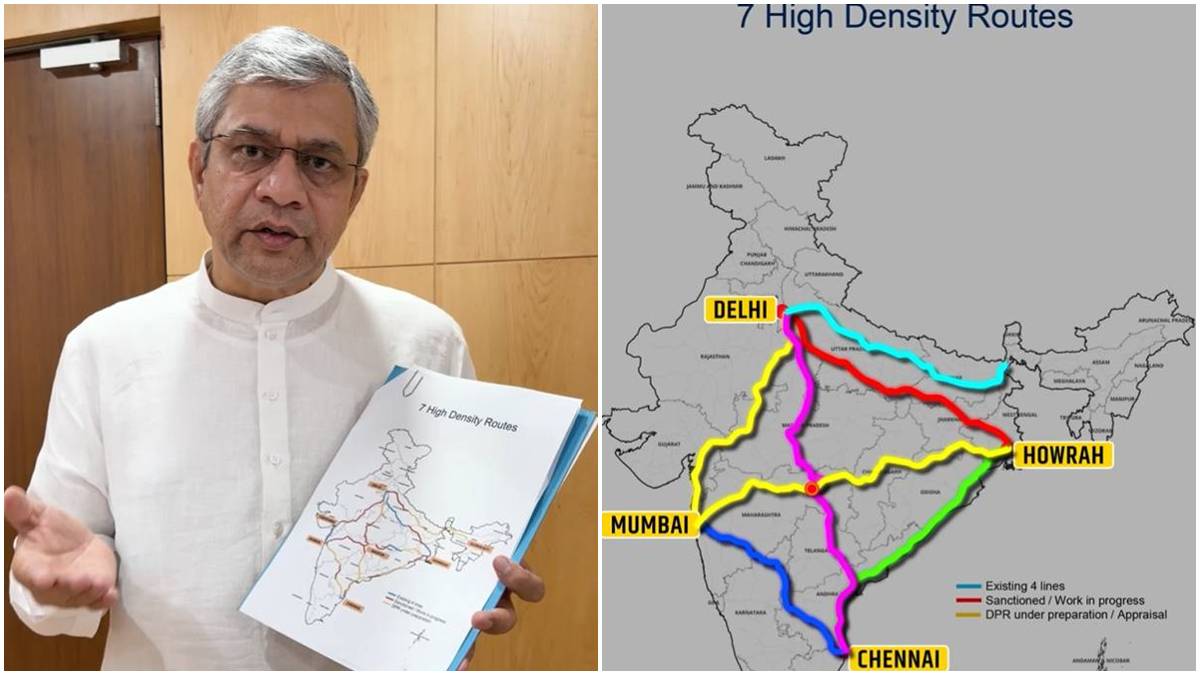
Seven high-density networks cover nearly 16% of the rail network but carry more than 40% of its traffic.
Railways aims to increase annual freight loading from 1,670 million tonnes in 2025-26 to 3,000 million tonnes by 2030.
The Eastern and Western Dedicated Freight Corridors are fully operational and handle about 420 freight trains daily.
A proposed 1,738-km East-West Dedicated Freight Corridor would connect Dankuni in West Bengal with Surat in Gujarat.
- Who
- Indian Railways, led on the cited plans by Railway Minister Ashwini Vaishnaw.
- What
- The railway is expanding high-density routes, adding tracks and developing dedicated freight corridors to increase goods-carrying capacity.
- Where
- The work focuses on seven high-density networks across India, existing Eastern and Western freight corridors, and a proposed route from Dankuni in West Bengal to Surat in Gujarat.
- When
- The plans include targets for 2026-27 and 2030; the article also cites freight loading of 1,670 million tonnes in 2025-26.
- Why
- To reduce congestion and delays, attract more freight from road transport, and lower logistics costs.
Key facts
- High-density network coverage
- The seven networks cover 11,051 km, nearly 16% of the more than 69,000-km rail network.
- Traffic carried
- The seven high-density networks carry more than 40% of total railway traffic.
- Current freight loading
- Indian Railways carried 1,670 million tonnes of freight in 2025-26.
- 2030 freight target
- Railways aims to raise annual freight loading to 3,000 million tonnes by 2030.
- Multitracking approvals
- Eight projects covering 1,196 km were approved at a combined cost of Rs 20,804 crore.
- Existing freight corridors
- The Eastern and Western Dedicated Freight Corridors are fully operational and together handle about 420 freight trains daily.
- Proposed East-West corridor
- The proposed corridor would run 1,738 km from Dankuni in West Bengal to Surat in Gujarat.
Quotes
Ministry of Railways
The ministry’s submission to the Standing Committee on Railways
“Of the 11,000 km of the high density corridor, about 2,000 km is already four-line. In 5,000 km, the project is sanctioned and work is underway. In 4,000 km, the DPR (Detailed Project Report) is being prepared and work will be approved in future.”
 financialexpress.com
“If we talk about comparison, if we see, approximately Rs 3.60 per tonne per kilometre is the cost on road, and on rail, it is Rs 1.60. In this way, it is cheaper.”
financialexpress.com
Sources
Related news
Indian Railways Plans Four-Tracking Seven High-Density Corridors Nationwide

India’s Freight Corridor Gains Spur Push for National Grid
Indian Railways Plans Four-Laning of 11,000-Km High-Density Network
India’s Freight Corridors Expand Logistics Connectivity and Efficiency
Modi To Dedicate Three Western Freight Corridor Sections At JNPA
Modi inaugurates final sections, completing India’s dedicated freight network
India Completes 2,843-Kilometre Dedicated Freight Corridor Network Project