1 week ago
Chinese Visa Rejections Disrupt Indian Firms’ Overseas Meetings

Indian companies often send workers to China for business.
Executives, engineers and technical teams may need to visit factories, install equipment or solve problems.
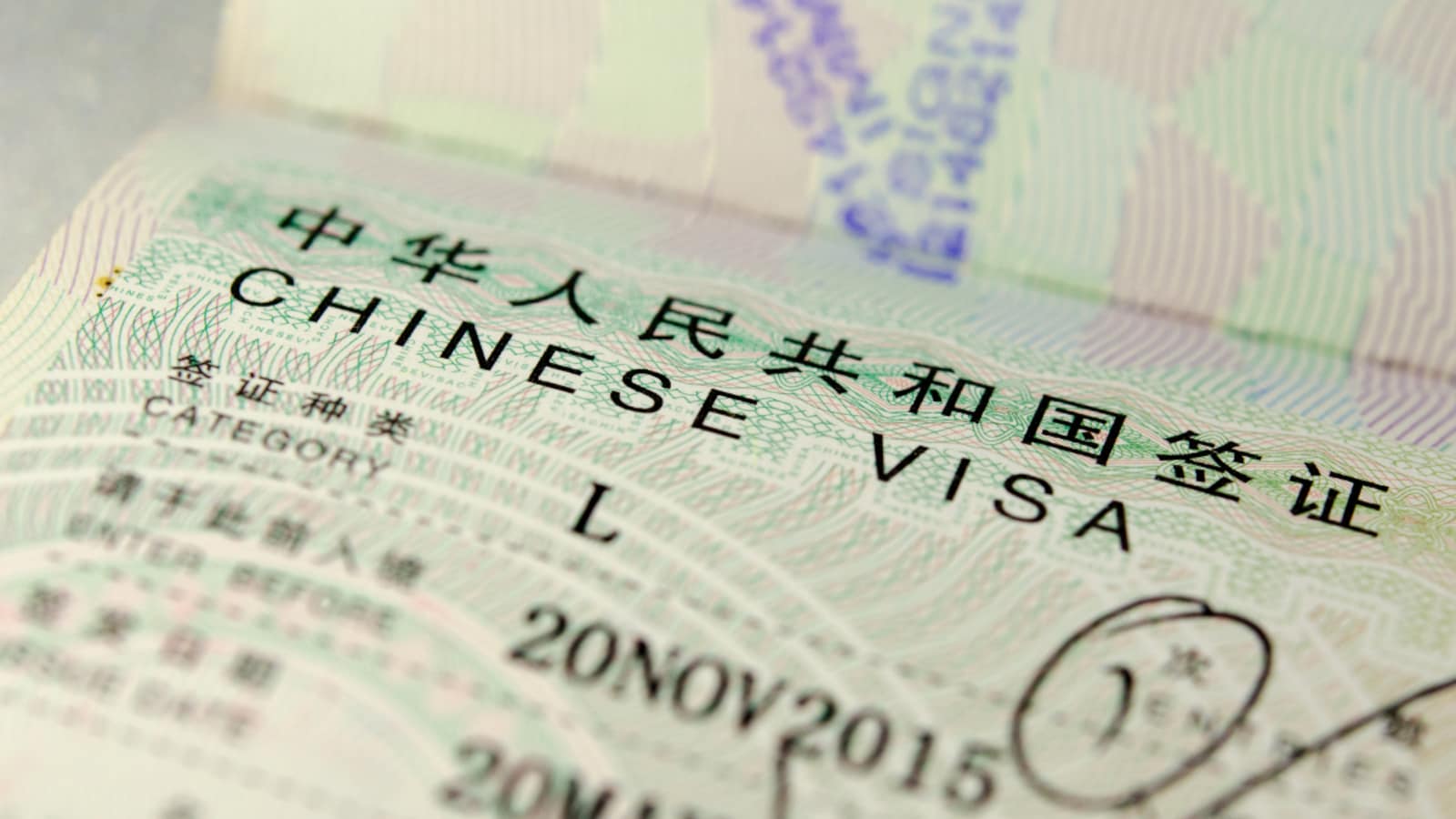
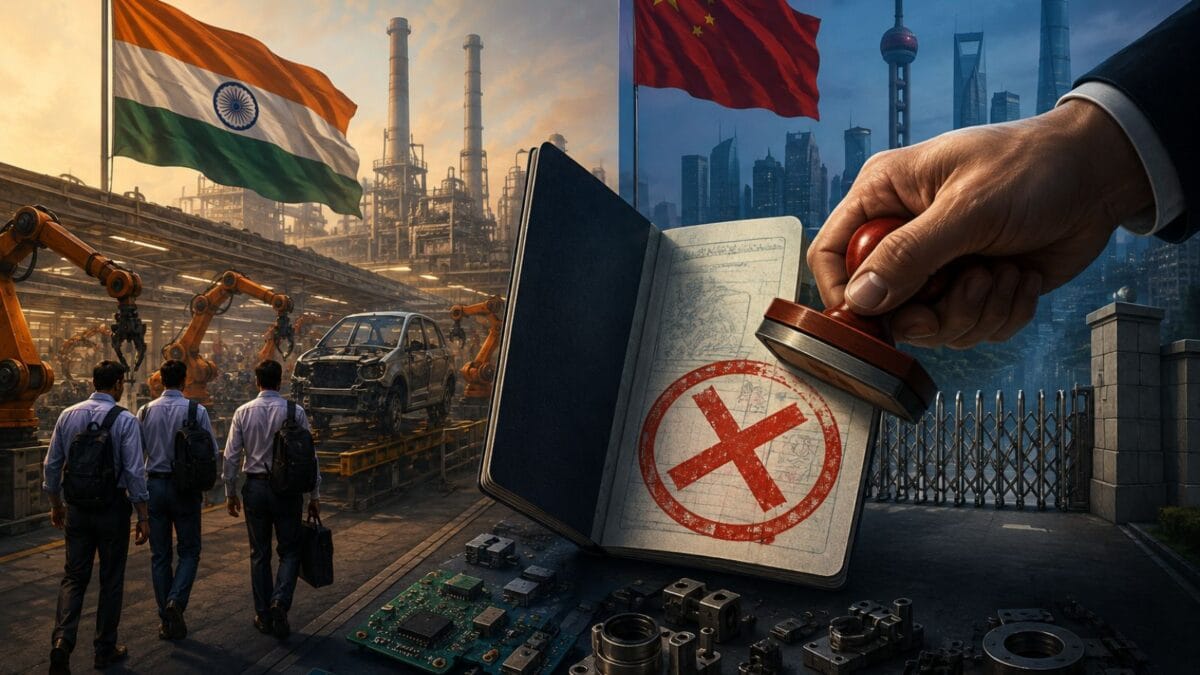
Recently, some companies say Chinese business visas have become harder to obtain.
Some report that only 20% to 40% of applications are approved.
One company reported rejection rates as high as 95%.
The reports do not say that China has completely stopped issuing these visas.
Some meetings are therefore being moved to places such as Thailand, Singapore, Malaysia and Hong Kong.
However, work that requires being inside a Chinese factory may still be difficult to move elsewhere.

Some Indian companies report Chinese business visa approval rates of only 20% to 40%.
Executives at one electronics contract manufacturer report rejection rates as high as 95%.
Applications are facing increased scrutiny, slower processing and uncertain results after reapplication.
Manufacturers may source up to half of their parts and capital goods from China.
Companies are moving some meetings from China to Singapore, Thailand, Malaysia and Hong Kong.
- Who
- Indian executives, engineers, technical specialists and management teams, along with companies in electronics, automotive and contract manufacturing; Chinese authorities are processing the applications.
- What
- Chinese business visa approvals for some Indian firms have reportedly declined, disrupting travel and prompting companies to relocate meetings to other Asian destinations.
- Where
- Travel to China is affected, while some meetings are being held or considered in Singapore, Thailand, Malaysia and Hong Kong; one meeting was moved from Shenzhen to Thailand.
- When
- In recent months, compared with an earlier period when approvals were described as routine or near-universal.
- Why
- Indian companies need personnel in China for sourcing, manufacturing, factory visits, equipment installation, technical cooperation and negotiations, while visa applications are reportedly receiving greater scrutiny.
Indian Companies’ Concerns
Reported Visa Position
Scale of the restrictions
Indian Companies’ Concerns
Executives say approval rates have fallen sharply, with some firms receiving only 20% to 40% approvals and one reporting rejection rates as high as 95%.
Reported Visa Position
The reports describe differing outcomes among companies, and some Indian firms are still receiving visa approvals.
Whether visas are banned
Indian Companies’ Concerns
Companies say slower processing, repeated applications and uncertain results are disrupting travel for executives and technical personnel.
Reported Visa Position
The reports state that China has not imposed a blanket ban on Indian business visas; the change is described as increased scrutiny and reduced approvals.
Business continuity
Indian Companies’ Concerns
Factory visits, equipment installation, technical troubleshooting and some manufacturing discussions require personnel to be physically present in China.
Reported Visa Position
Meetings that do not require travel to China can be moved to Singapore, Thailand, Malaysia or Hong Kong.
Key facts
- Reported approval rates
- Some Indian companies report that only 20% to 40% of Chinese business visa applications are approved.
- Highest reported rejection rate
- An executive at an electronics contract manufacturer reported rejection rates as high as 95%.
- Earlier approvals
- Executives said approvals were previously routine, with some companies receiving near-universal clearances.
- China supply dependence
- Some Indian manufacturers import up to 50% of their parts and capital goods from China.
- Alternative locations
- Companies are shifting meetings to Singapore, Thailand, Malaysia and Hong Kong.
- Specific relocation
- A Chinese smartphone maker reportedly moved a meeting from Shenzhen to Thailand after Indian participants faced visa delays of more than two months.
- Policy context
- The reports link the difficulties to ongoing India-China tensions after the 2020 Galwan Valley clash, while noting there is no blanket ban on Indian business visas.
Sources
Related news
Beijing Tightens Visa Rules, Hitting India's Manufacturing Ambitions

Chinese Business Visas Under Scrutiny as Indian Travellers Report Rejections

Bangladesh Seeks Faster Indian Business Visas, Balanced Economic Partnership

India-China Thaw Raises EV Technology and Component Access Hopes

Xi Jinping Expected in Delhi for BRICS Summit

Readers Debate Trump Visa Restrictions and India’s Technology Response

India’s Fourth BRICS Chair Faces a Much Larger Summit

Nepal Families Seek Missing Loved Ones After Deadly Flash Floods

Putin Faces Western Isolation While Russia Builds Non-Western Ties
India’s Global Power Ambitions Face Economic and Democratic Setbacks
India’s 7.8% Growth Broad-Based, but Jobs Remain Challenge