4 days ago
Readers Debate Trump Visa Restrictions and India’s Technology Response

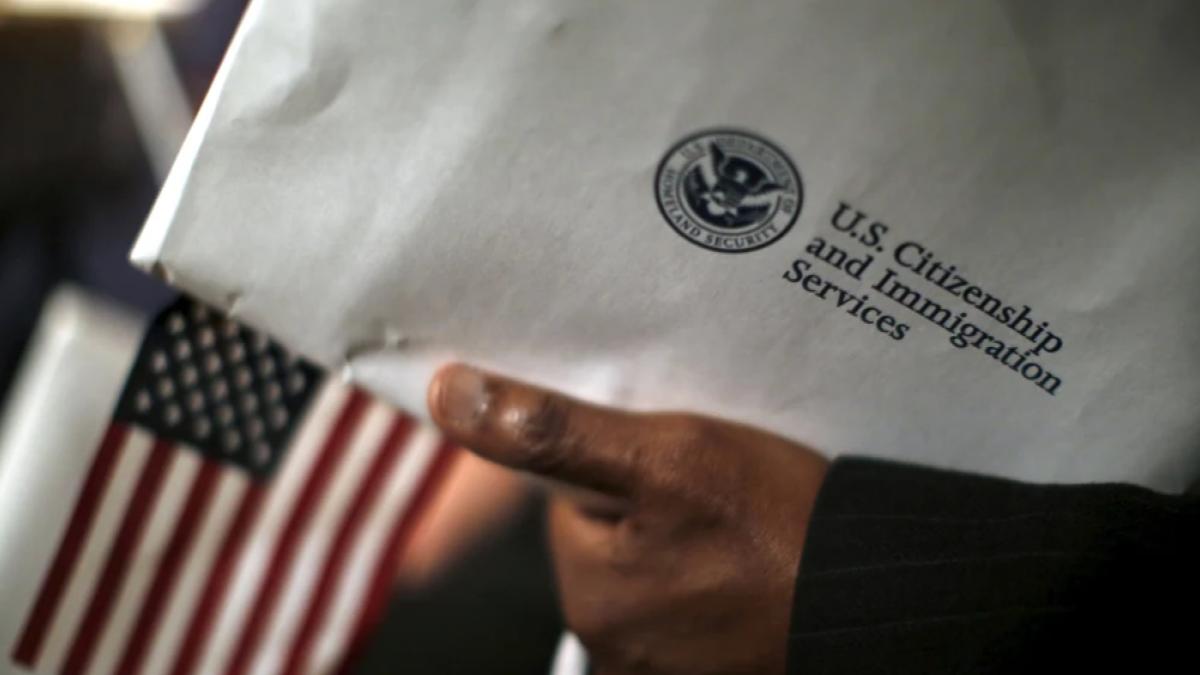
Readers are discussing new and changing US visa rules linked to President Donald Trump.
They say the rules are making it harder for Indian workers to travel for jobs.
Technology companies may have trouble sending employees to meet clients.
Families can also face uncertainty about schools, homes and future plans.
Some readers think the rules are unfair and too sudden.
Others say Indian companies should hire more people locally in other countries and use remote work.
They also want India to build stronger technology businesses and partnerships at home.
Several readers believe India should keep talking with the United States in a steady and practical way.

Readers describe US visa restrictions linked to Donald Trump as abrupt, disruptive and harmful to Indian professionals, families and businesses.
They say technology and research workers are losing opportunities, while companies face difficulties moving employees and maintaining client work.
Several readers urge Indian companies to expand local hiring abroad, remote delivery and operations within India.
Others call for stronger Indian digital infrastructure, a broader technology ecosystem and reduced dependence on the US market.
Readers also seek sustained India-US institutional dialogue, while acknowledging that Washington will prioritize its domestic political concerns.
- Who
- Indian readers, professionals, technology companies and families, with the policies attributed by the letters to US President Donald Trump and the United States.
- What
- Readers debate the effects of reported US visa restrictions, including halted applications and a reported $100,000 fee for new H-1B applications, as well as possible responses by India and Indian companies.
- Where
- The issue concerns movement between India and the United States and its effects on Indian professionals and businesses.
- When
- The reader views were published on August 29, 2026, following an editorial dated August 28.
- Why
- Readers say abrupt visa changes disrupt employment, business travel, collaboration and family planning, while also arguing that India and its companies should reduce dependence on the US market.
Critics of US Restrictions
Advocates of Adaptation and Engagement
Fairness and predictability
Critics of US Restrictions
Readers argue that abrupt visa changes and a reported $100,000 H-1B fee are unreasonable, disruptive and damaging to skilled workers, companies and families.
Advocates of Adaptation and Engagement
Readers acknowledge that the United States has the right to regulate immigration and say Indian businesses must prepare for decisions driven by US domestic priorities.
Effect on economic cooperation
Critics of US Restrictions
Restrictions are said to reduce opportunities, technology collaboration and professional mobility between India and the United States.
Advocates of Adaptation and Engagement
Readers propose local hiring abroad, remote delivery and stronger Indian operations to maintain business resilience while reducing reliance on temporary personnel movement.
India’s response
Critics of US Restrictions
Some readers call for fairer US immigration rules and sustained diplomatic pressure to protect Indian professionals and business interests.
Advocates of Adaptation and Engagement
Others favor practical institutional dialogue, better data-sharing, stronger Indian digital infrastructure, global partnerships and investment in markets beyond the United States.
Key facts
- Publication date
- August 29, 2026
- Related editorial
- “India among worst hit by Trump’s immigration policies,” dated August 28
- Policy concerns raised
- Readers refer to a halt in visa applications and a reported $100,000 fee for new H-1B visa applications.
- Affected groups
- Indian technology and research professionals, their families, and companies operating between India and the United States.
- Business effects cited
- Disrupted client travel, reduced collaboration, difficulty planning projects and challenges deploying employees.
- Proposed company responses
- Increase local hiring abroad, expand remote delivery, strengthen operations in India and diversify into other emerging markets.
- Proposed government response
- India should pursue sustained institutional dialogue with the United States and present data on Indian professionals’ contributions.
Sources
Related news

Indian IT Firms Weather Trump’s New H-1B Visa Fee
Trump H-1B visa renewal surcharge plan hits Indian tech workers
H-1B Crackdown Raises Questions About America’s Global Talent Appeal
Trump Administration Proposes $103,265 H-1B Fee, Indians Face Impact

Krishnamoorthi warns $100,000 H-1B fee could hurt US competitiveness

H-1B Visa Holder Leaves US To Rejoin Family
US H-1B Wage Proposal Could Reshape Opportunities For Indian Professionals

H-1B Grace Period Could End After US Layoffs

UPSC International Relations Quiz Covers Geography Visas Energy
Trump White House Clears Plan Ending H-1B Grace Period