

5 days ago
India-China Thaw Raises EV Technology and Component Access Hopes

India and China are showing signs of improving their relationship.
Indian car companies hope this will make it easier to work with Chinese suppliers.
China provides batteries, magnets and other important parts used in electric cars.
Indian companies currently depend heavily on some of these Chinese products.
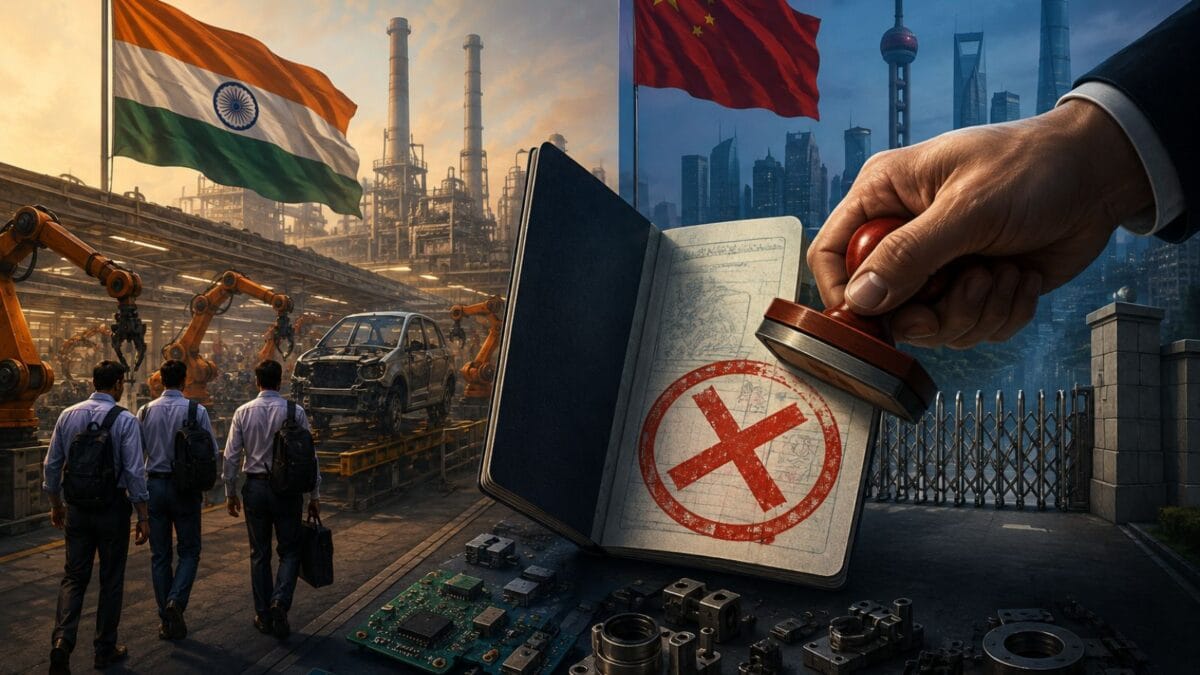
Businesses also say it has become difficult for engineers to get Chinese visas and for companies to import certain parts.
Some firms can now import finished motors or rotors instead of individual rare-earth magnet components.
Indian automakers are exploring partnerships with Chinese companies and technologies.
Supporters say these partnerships could help India learn faster and build more parts locally.
Others worry that China prefers to keep the valuable manufacturing work at home.

Indian automakers hope improving India-China relations will ease access to Chinese EV technology, components and business partners.
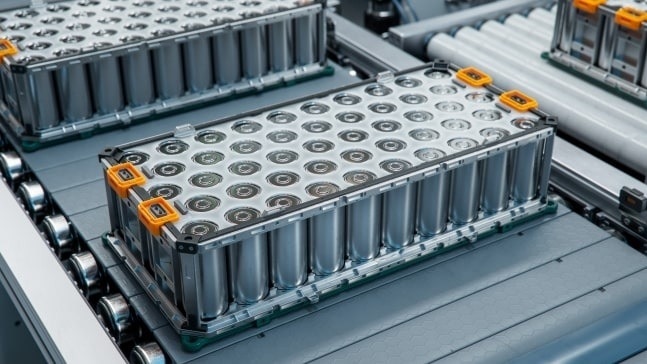
China supplies important EV inputs including battery cells, power electronics, electric powertrains and rare-earth magnets.
India imported $17.75 billion in auto components from Asia in FY2025-26, with China accounting for 36% of Asian imports.
Companies report continuing difficulties obtaining Chinese visas and licenses for rare-earth magnet-related components.
Automakers and analysts see Chinese partnerships as a possible way to accelerate EV technology access and localization in India.
- Who
- Indian automakers, component manufacturers, Chinese suppliers and government officials including Ajit Doval, Wang Yi and Xi Jinping.
- What
- A gradual India-China diplomatic thaw is raising hopes that restrictions on EV technology, components, visas and business partnerships may ease.
- Where
- The diplomatic talks were held in Beijing, while the potential effects concern India’s automobile industry and trade with China.
- When
- The article was published on August 28, 2026; Xi Jinping is expected to visit for the BRICS summit next month, and the latest Special Representatives’ talks took place on Tuesday.
- Why
- Indian automakers increasingly need Chinese battery cells, rare-earth magnets, power electronics and other technologies as they develop electric and hybrid vehicles.
Partnership Advocates
Restriction and Localization Concerns
Access to Chinese technology
Partnership Advocates
Analysts say India should remain open to Chinese technology and partnerships because Chinese capabilities remain important in batteries and other EV systems.
Restriction and Localization Concerns
Industry executives say China is restricting access to parts and retaining value addition by exporting finished products rather than transferring manufacturing capabilities to India.
Impact of the diplomatic thaw
Partnership Advocates
Automakers hope the BRICS summit and renewed diplomatic engagement will ease visa, licensing and business restrictions.
Restriction and Localization Concerns
The article says restrictions on technical visas and rare-earth magnet licenses are still continuing, so any improvement remains uncertain.
Localization strategy
Partnership Advocates
Partnerships could provide know-how that helps India build a stronger domestic EV supply chain and accelerate localization.
Restriction and Localization Concerns
Executives attribute some Chinese restrictions to India’s focus on domestic value addition, suggesting access may remain limited where it threatens Chinese production advantages.
Key facts
- Diplomatic engagement
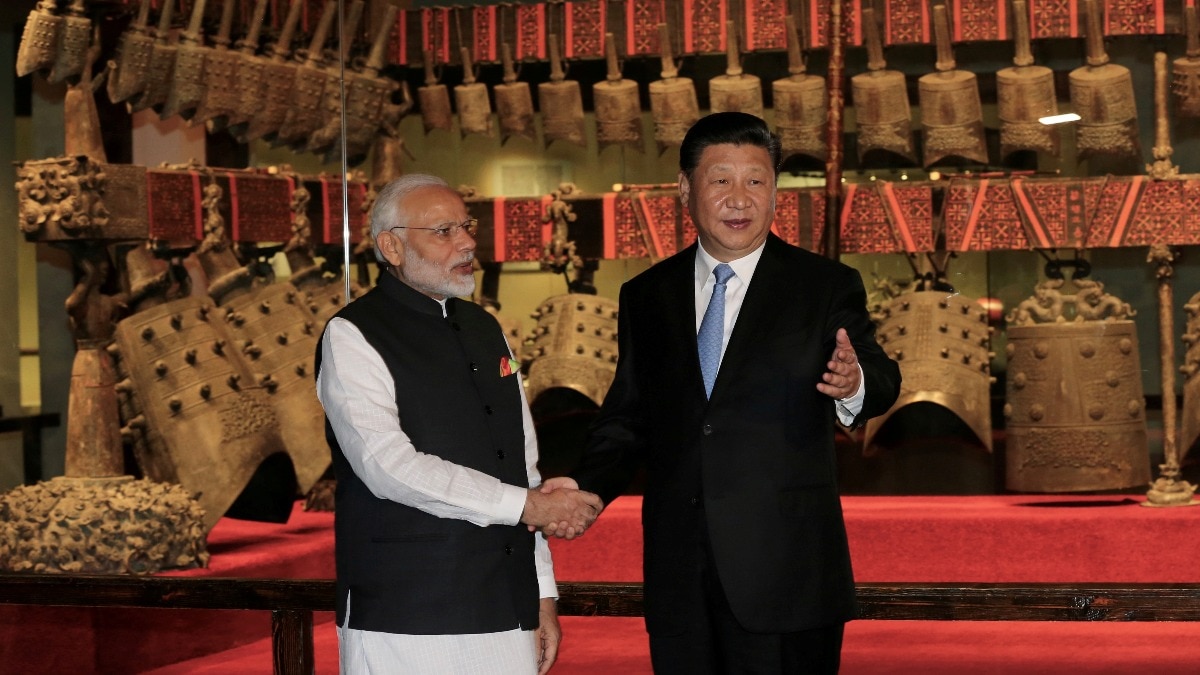
- Ajit Doval and Chinese Foreign Minister Wang Yi held the 25th round of Special Representatives’ talks in Beijing.
- Expected visit
- Chinese President Xi Jinping is expected to visit New Delhi for the BRICS summit next month.
- Asian component imports
- India imported auto components worth $17.75 billion from Asia in FY2025-26, according to the article.
- China’s share
- China accounted for 36% of India’s Asian auto-component imports, compared with Japan at 11% and South Korea at 7%.
- Visa restrictions
- Industry executives said Chinese visas for technical staff and even trade-fair visitors remain difficult to obtain.
- Rare-earth components
- An executive said China has restricted licenses and is allowing imports of fully assembled rotors or finished motors instead of some individual parts.
- Existing partnership
- Tata AutoComp Gotion Green Energy Solutions manufactures lithium-ion battery packs using cells from China’s Gotion for Tata electric vehicles.
Quotes
A veteran from the auto components industry
An unnamed veteran of India’s auto components industry commenting on visa restrictions.
“The traditional internal combustion engine (ICE) vehicles are also requiring higher amount of electricals or electronic items, and of course in EVs too, apart from rare earth magnets and battery cells. Therefore, the import will be higher from China until we make them or assemble here”
 thehindubusinessline.com
“The visa issue is almost permanent for technical people (engineers) now and very limited to a few people in a go. Companies are finding it tough to get visas for even Trade Fairs in China now, unlike earlier when planes full of components makers used to go”
thehindubusinessline.com
Sources
Related news
Beijing Tightens Visa Rules, Hitting India's Manufacturing Ambitions
India, China Explore Investment Framework Ahead of BRICS Summit
JSW Puts 50GWh India Battery Cell Plant On Hold
India Plans ₹13,000 Crore Battery Component Incentive Push
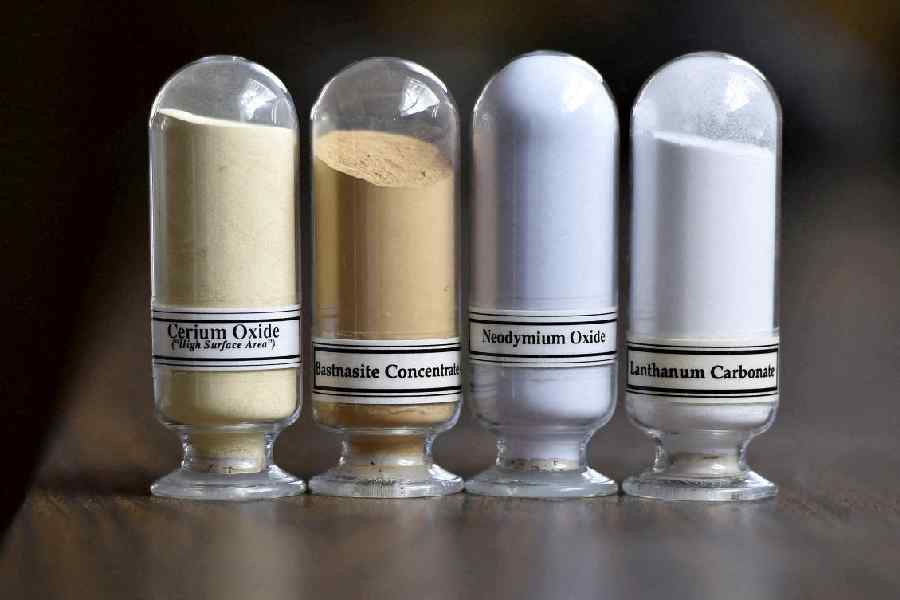
L&T Plans Rare-Earth Magnet Production as India Cuts China Reliance
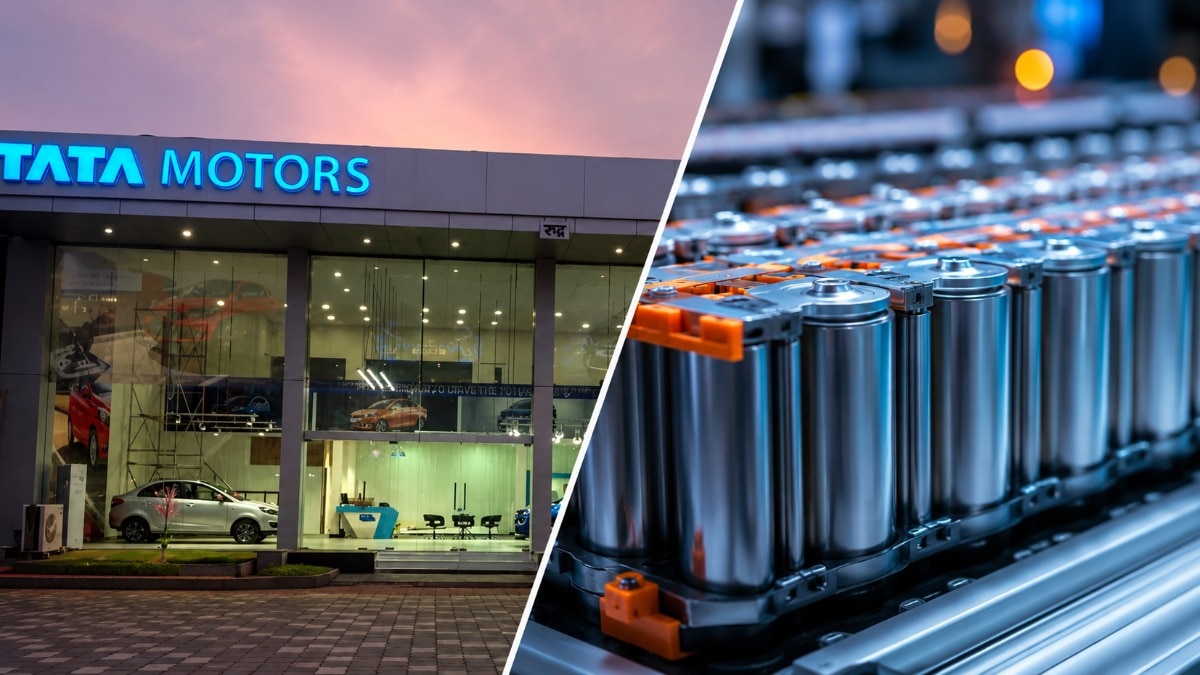
Tata Motors flags battery cell supply bottlenecks amid EV boom
Auto Industry Urges Shift From Make to Create in India
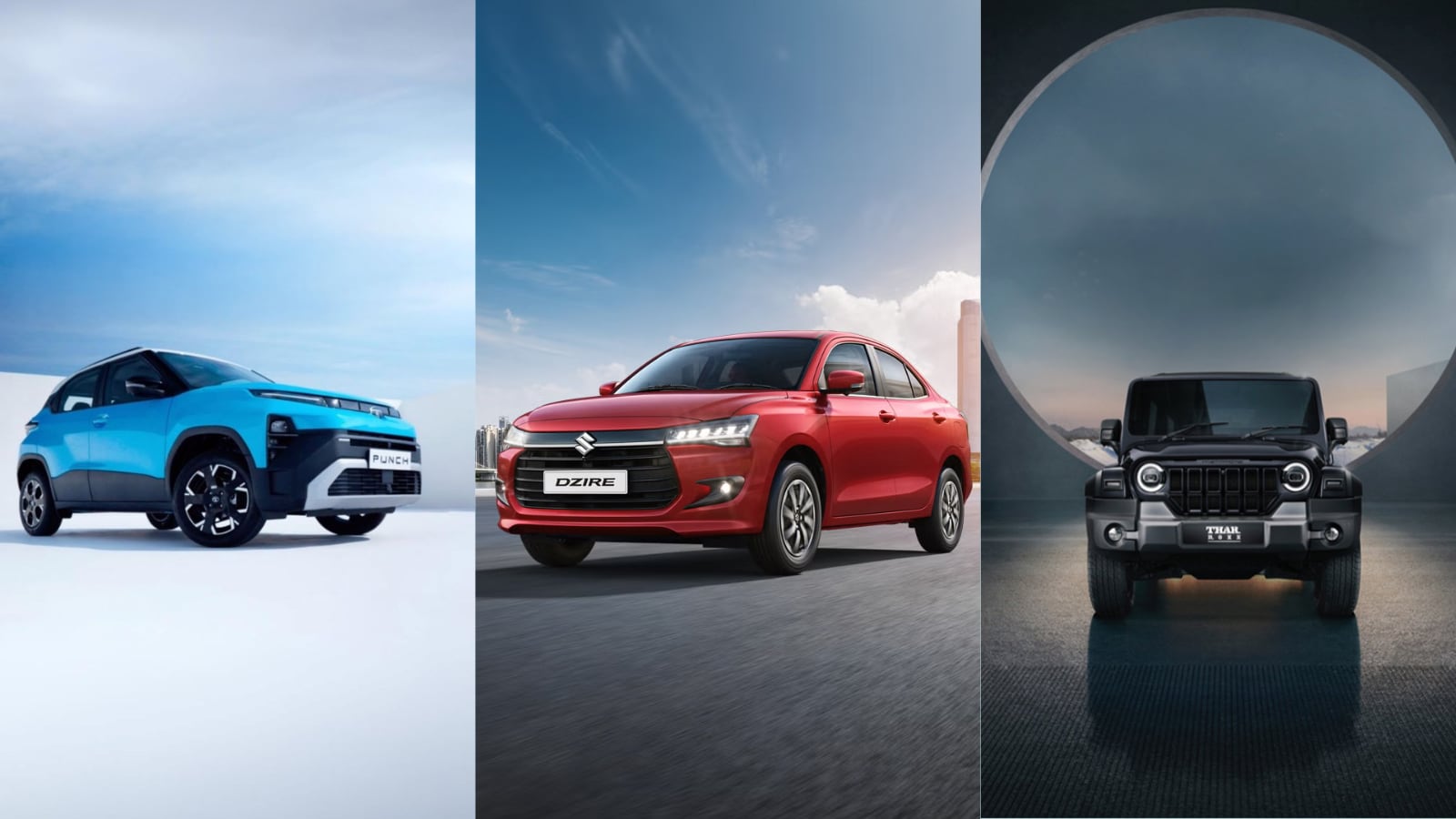
Car Sales Aug'26: Tata Leads Growth, Maruti Dominates Volume
Brokerages Favor Indian Auto Stocks as Truck Sales Surge

Auto stocks plunge despite strong August sales and demand outlook
Tata Motors Rises to No. 2 in India's PV Market
