1 week ago
Dark Tankers Keep Oil Prices Below $100 Amid Hormuz War
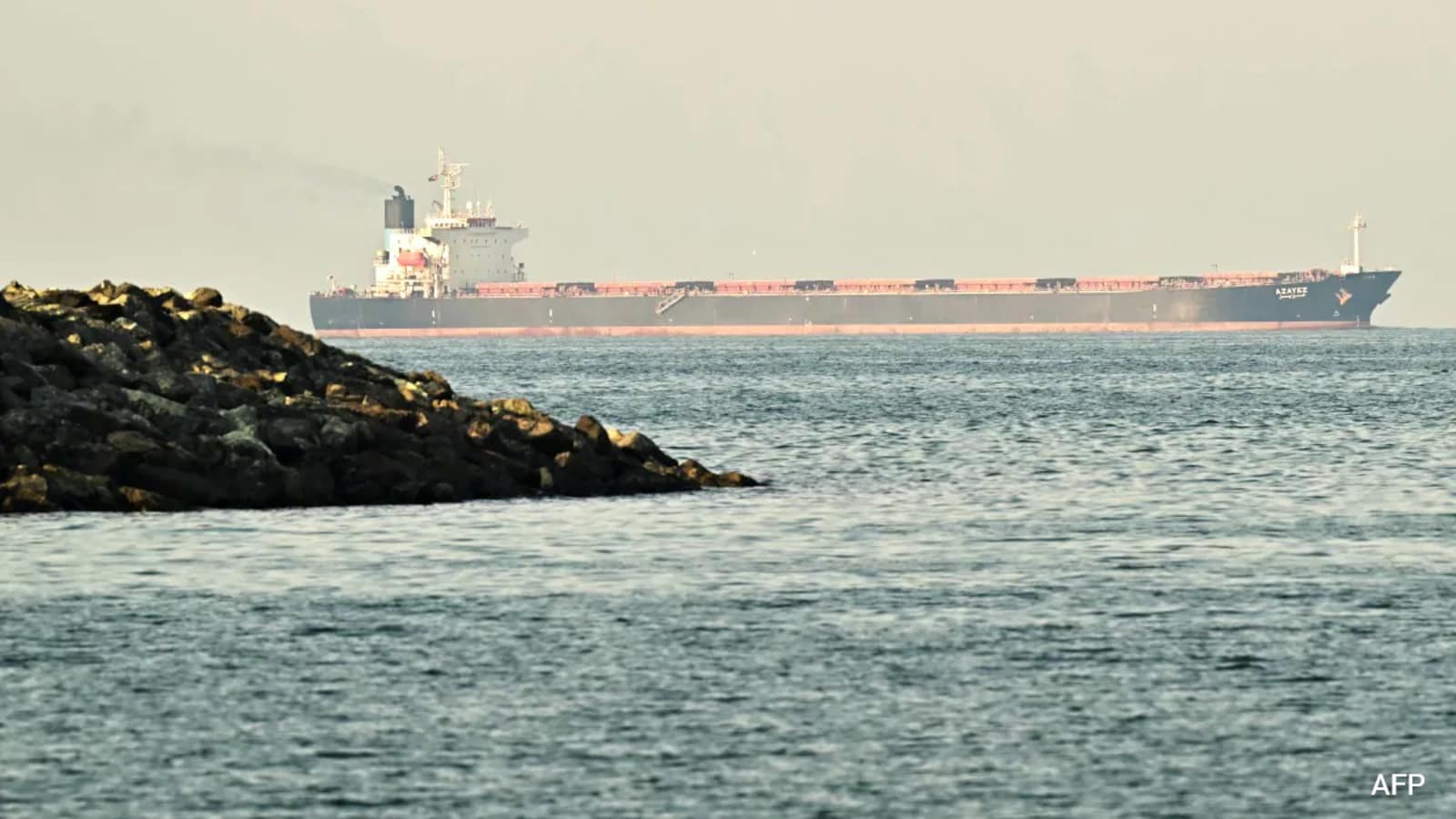
A war involving Israel, the United States and Iran disrupted shipping near the Strait of Hormuz.
Oil prices first rose above $100 a barrel.
Oil companies then found ways to keep moving crude despite the danger.
Some tankers turned off their tracking devices while crossing the strait.
These ships were sometimes escorted by the US Navy.
Other oil was sent through pipelines or around the strait.
More oil was also produced by countries such as Brazil, Guyana and Venezuela.
These steps helped keep global oil supplies from falling as much as feared.
However, ships with their tracking devices off can still be detected by radar and remain at risk.

Brent crude rose 43% to $103.90 after February 28 strikes on Iran.
Oil producers have used tankers with disabled transponders to move crude through Hormuz.
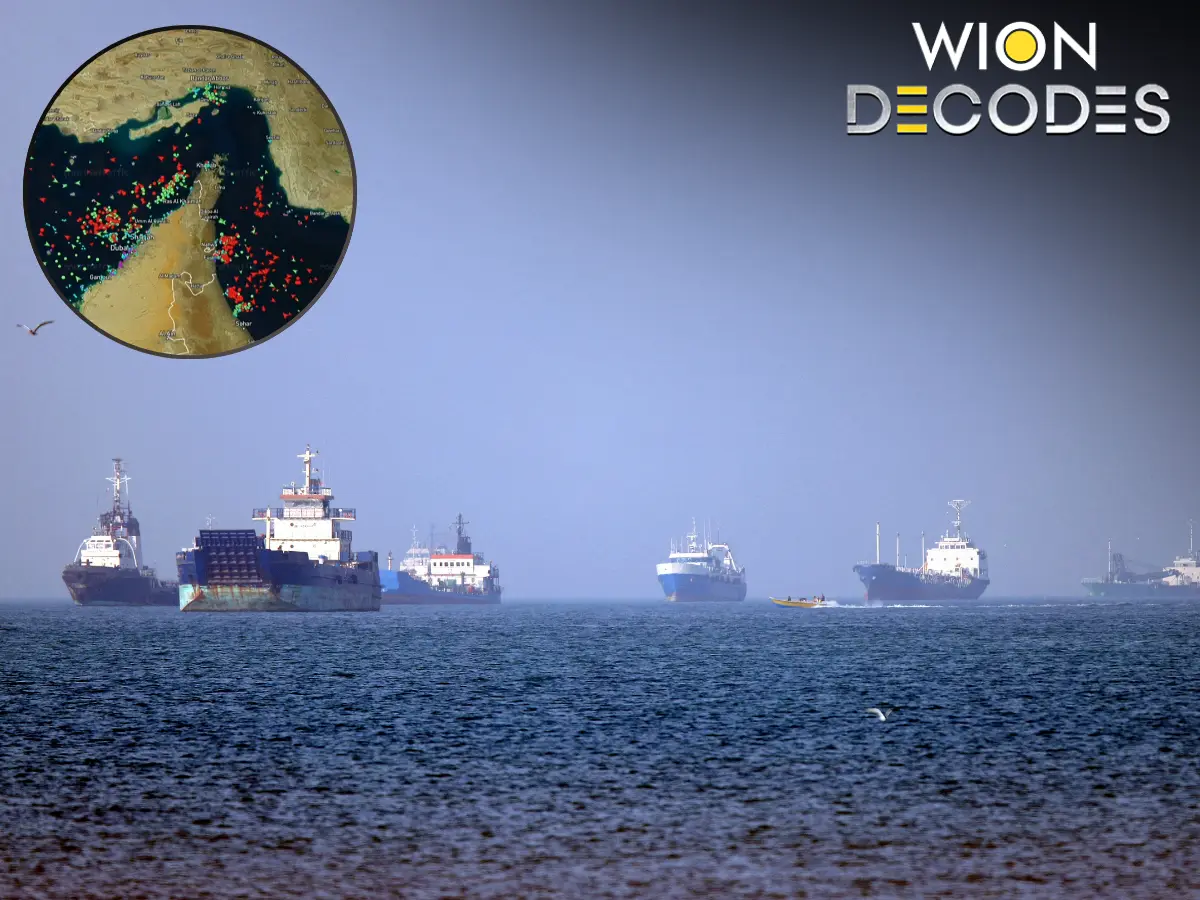
Kpler recorded 1,514 dark crossings into and out of the Gulf since March 1.
The United States says Strait of Hormuz traffic averages 8–9 million barrels daily.
Producers are also rerouting oil through pipelines and increasing output outside the region.
- Who
- Oil producers from Saudi Arabia, Kuwait, Qatar and the United Arab Emirates, with tanker operators and US Navy support; Iran, Israel and the United States are parties to the wider conflict.
- What
- Oil is being transported through and around the Strait of Hormuz using dark tanker voyages, rerouting and additional production, helping limit price increases.
- Where
- The Strait of Hormuz, the Persian Gulf, the Gulf of Oman, Saudi Arabia’s East-West pipeline and the Red Sea port of Yanbu.
- When
- The conflict began with strikes on February 28; Kpler recorded dark crossings from March 1 onward, including a documented Kiku voyage from July 25 to August 1.
- Why
- To keep crude exports moving despite Iranian drone threats and disruption in the Strait of Hormuz.
United States and oil producers
Iran and competing control claims
Control of the Strait
United States and oil producers
The United States responded to Iran’s obstruction of traffic with a blockade and supported tanker movements, including some under US Navy escort.
Iran and competing control claims
Tehran used the waterway as a deterrent, and both sides at different points claimed control of the strait as the “Guardians of the Strait.”
Effect of dark transits
United States and oil producers
The United States Department of Energy says the strategy is working, estimating that 8–9 million barrels of oil traffic still passes through Hormuz each day.
Iran and competing control claims
The workaround remains imperfect because radar can detect tankers even when their transponders are switched off, and the narrow strait offers few places for ships to hide.
Key facts
- Initial Brent price
- Brent crude reached $103.90 a barrel, a 43% increase, 16 days into the war.
- Dark crossings
- Kpler recorded 1,514 dark crossings into and out of the Persian Gulf since March 1.
- Estimated traffic
- The US Department of Energy estimated average oil traffic through Hormuz at 8–9 million barrels per day.
- Tracking discrepancy
- The Department of Energy’s estimate was roughly double the amount suggested by transponder-based tracking.
- Saudi rerouting
- Saudi Arabia redirected about 5 million barrels per day through its East-West pipeline to Yanbu.
- Other rerouting
- Other Middle Eastern producers redirected a further 2 million barrels per day around Hormuz.
- Additional production
- Brazil, Guyana and Venezuela added more than 1 million barrels per day, while the United States added several hundred thousand barrels daily.
Quotes

Donald Trump
US president who described the stated purpose of the conflict
“Iran does not obtain a nuclear weapon.”
 NDTV
NDTV
Sources
Related news

Covert Mideast oil flows keep global prices in check
Dark Ship Transits Surge Amid Strait of Hormuz Conflict
Shipping Data Challenges US Claims of Control Over Hormuz
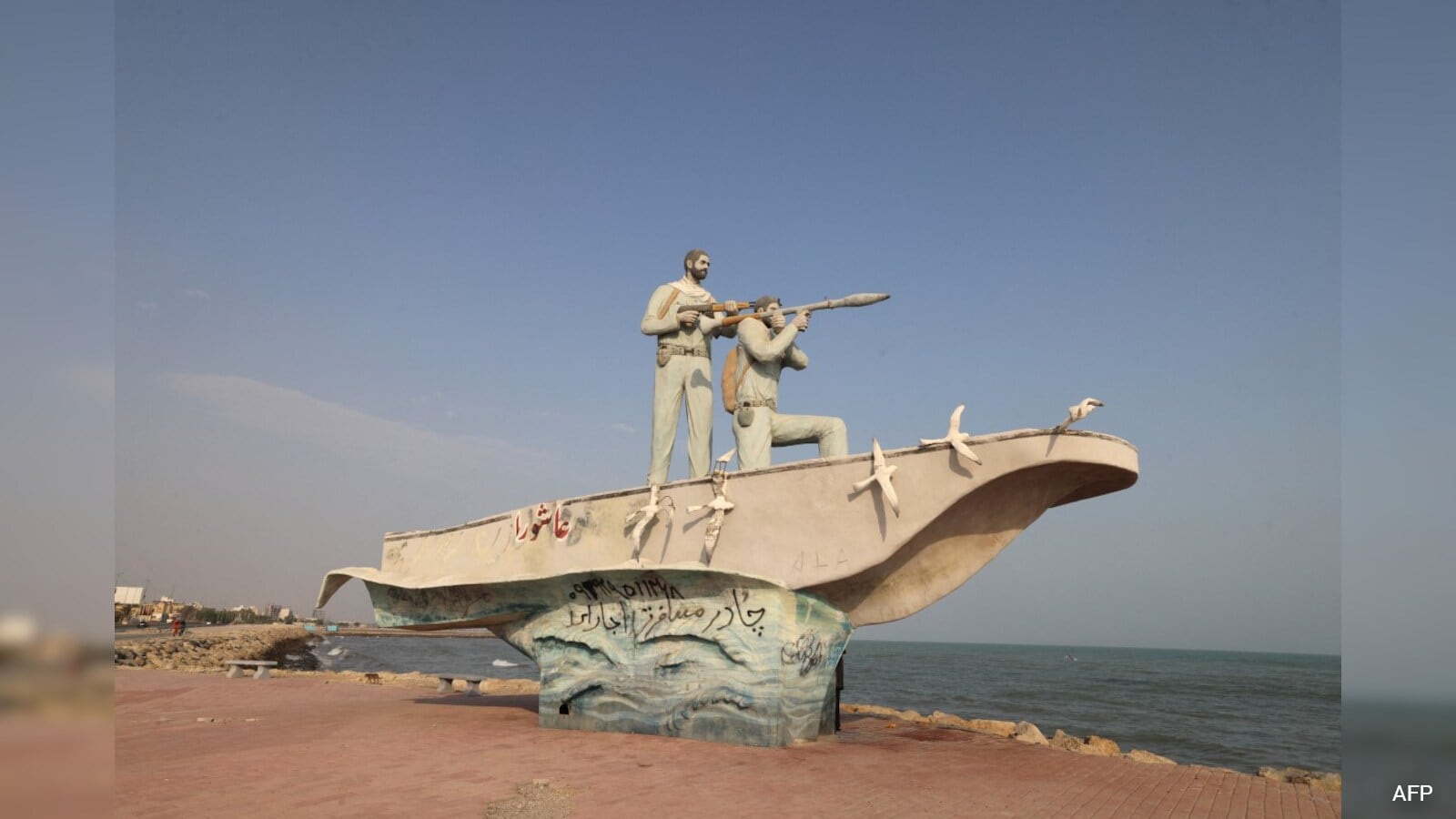
Ships Shift to Omani Route as Iran’s Hormuz Grip Slips

US says Hormuz oil flows higher than tracked

U.S. Opens Secret Oil Corridor Through Hormuz Amid Iran Stalemate

Iran Seizes Fuel-Smuggling Vessel in Gulf, Arrests 11 Crew
Trump Floats Renaming Strait of Hormuz as “Trump Strait”

Chevron Plans $7 Billion Venezuela Expansion Amid U.S. Oil Push
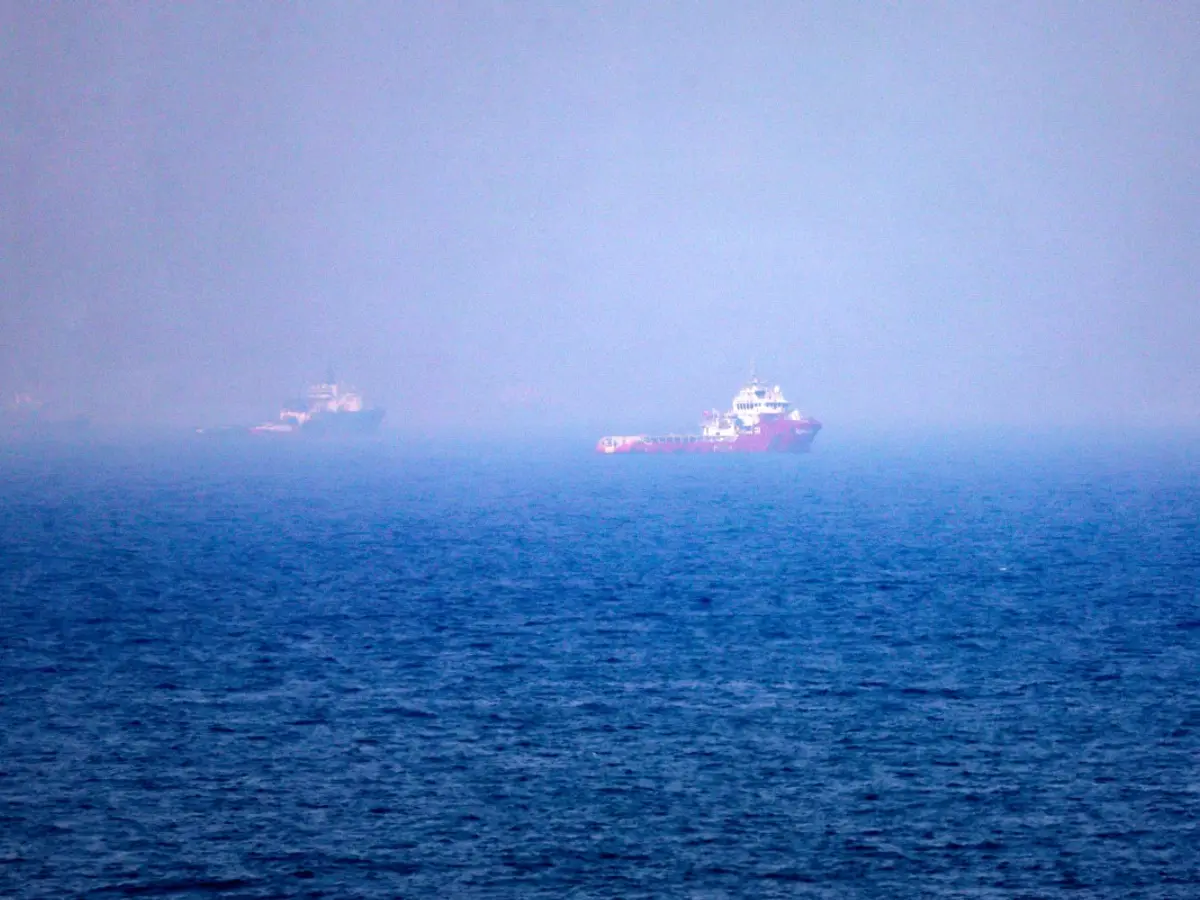
Saudi Tanker Hit in Hormuz, Killing Two Filipino Sailors

U.S.-Iran Exchange Escalates Across Middle East, Markets Slide