1 week ago
Dark Ship Transits Surge Amid Strait of Hormuz Conflict
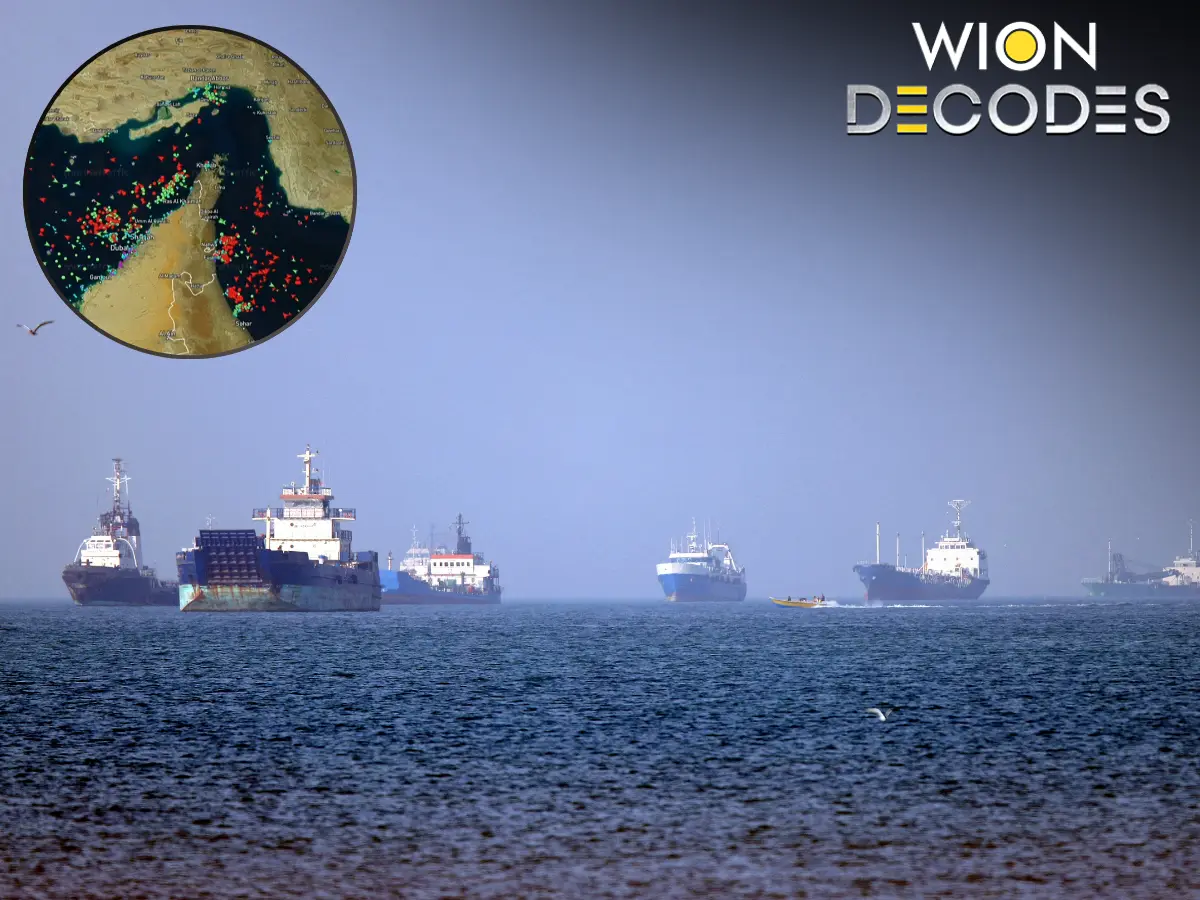
The Strait of Hormuz is a narrow waterway used by many ships carrying energy supplies.
A “dark” ship is not necessarily doing something illegal.
It simply means that tracking systems cannot show exactly where the ship crossed.
Signals may be turned off, blocked, or unavailable because satellite pictures are missing.
The war involving Iran, the United States, and Israel has made the waterway harder and more dangerous to use.
Ships are now choosing between routes near Iran and Oman, and many routes cannot be identified.
Far fewer ships are crossing than before the conflict.
Thousands of sailors and hundreds of ships are stuck in the Gulf.
This uncertainty makes it harder for operators, insurers, governments, and maritime authorities to protect ships and plan journeys.

Around two-thirds of Strait of Hormuz transits have been classified as “dark” since July 8, up from less than 1% before the war.
A dark transit means tracking data cannot confirm a vessel’s exact route because of disabled transponders, jammed signals, or missing satellite imagery.
After fighting resumed, vessels used competing routes near Iran and Oman, while many crossings became unidentified.
Daily commodity-carrier traffic fell from 95 vessels in February to about 15 after July 8, compared with roughly 10 after the March 1 closure.
The International Maritime Organization says about 6,000 sailors and 500 vessels remain stranded, with at least 20 people killed and 35 wounded.
- Who
- Ships, sailors, maritime authorities, insurers, governments, Iran, the United States, Israel, and the International Maritime Organization are involved.
- What
- Tracking data for about two-thirds of Strait of Hormuz transits has become unidentifiable, while shipping traffic has sharply declined.
- Where
- The Strait of Hormuz, the Persian Gulf, and neighbouring waters, including routes near Iran and Oman.
- When
- The increase began after fighting resumed on July 8; figures cited include traffic through August 22 and incidents recorded during the war.
- Why
- The conflict, Iran’s closure of the strait, competing routes, signal disruption, missing satellite imagery, and maritime security risks have reduced visibility and traffic.
Key facts
- Dark transits
- Around two-thirds of crossings since July 8, compared with fewer than 1% before the war.
- Prewar traffic
- About 95 commodity carriers crossed the strait each day in February.
- Post-July 8 traffic
- Around 15 commodity-carrier transits per day through August 22.
- Energy significance
- Before the war, about one-fifth of global oil and liquefied natural gas exports passed through the strait.
- Stranded vessels and sailors
- The International Maritime Organization reported around 6,000 sailors and 500 vessels stranded in the Gulf.
- Recorded incidents
- The International Maritime Organization recorded 68 incidents in the Gulf and neighbouring waters, including 47 classified as attacks by UK Maritime Trade Operations.
- Human toll
- At least 20 seafarers and port workers were killed, 35 wounded, and one remains missing.
Sources
Related news
Dark Tankers Keep Oil Prices Below $100 Amid Hormuz War
Ships Shift to Omani Route as Iran’s Hormuz Grip Slips
Shipping Data Challenges US Claims of Control Over Hormuz
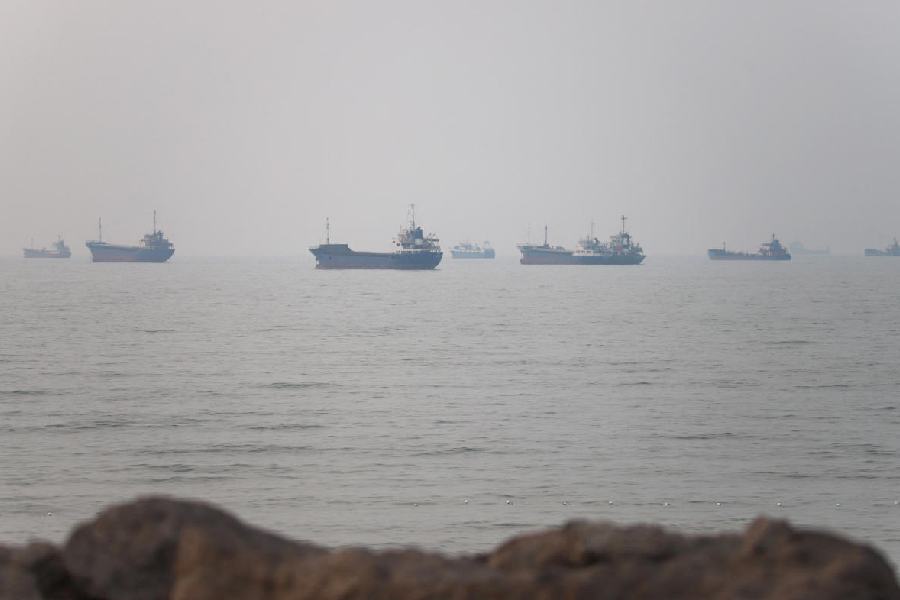
Hormuz Traffic Falls Below 20 Ships Amid Blockades
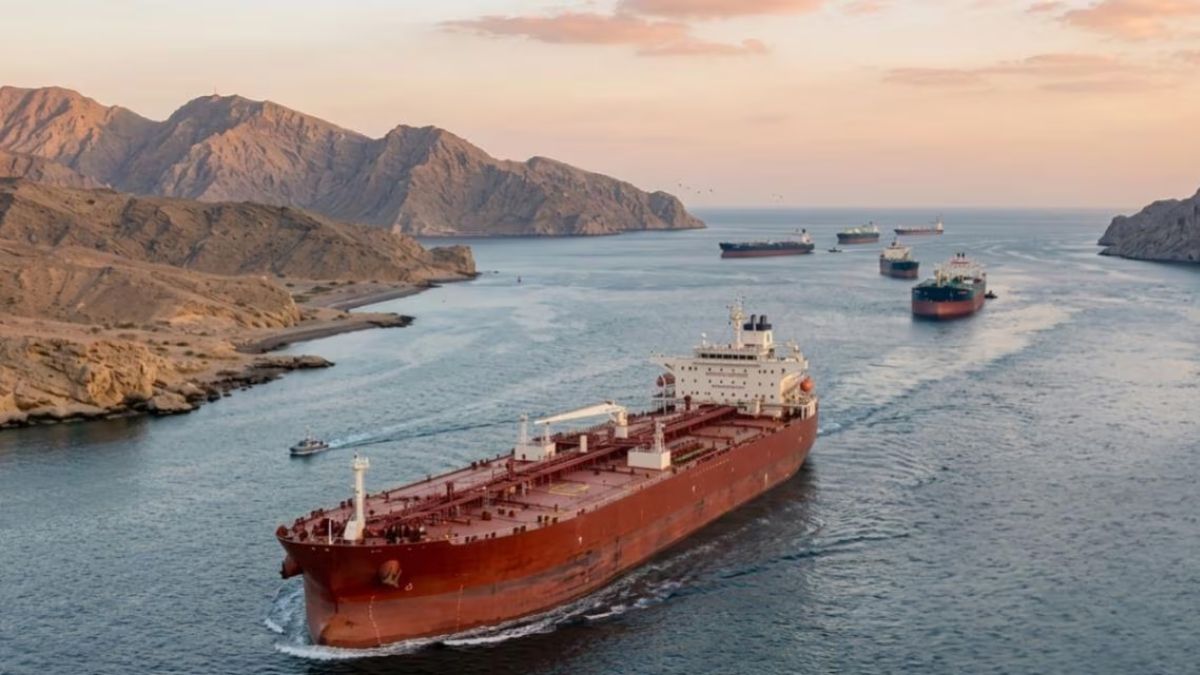
Hormuz Ship Traffic Rises as Cargo Movements Fall

Hormuz Shipping Traffic Plunges 95% Amid Iran War
US-Iran Strikes Escalate as Tehran Warns of New Strategy

Trump Warns of Fresh Iran Strike After Heavy Attack

Trump Says US Could Attack Iran Again at Will

U.S. Treasury Yields Ease as Jobs Data Misses Expectations

Iran Seizes Fuel-Smuggling Vessel in Gulf, Arrests 11 Crew