2 weeks ago
Covert Mideast oil flows keep global prices in check

During a war in Iran, countries that sell oil are secretly moving oil through a narrow sea passage called the Strait of Hormuz.
They turn off their ship tracking devices so the oil can't be easily found.
This secret oil moving helps keep the price of fuel from going too high.
Before the war, about 20 million barrels of oil passed through every day.
Last week, officials said about 9 million barrels a day still crossed.
Some people worried oil would cost $150 a barrel, but it has stayed around $80 to $90.
The ships face danger, and some have been attacked.
One oil company, Adnoc, said 23 of its ships were attacked and one sailor died.
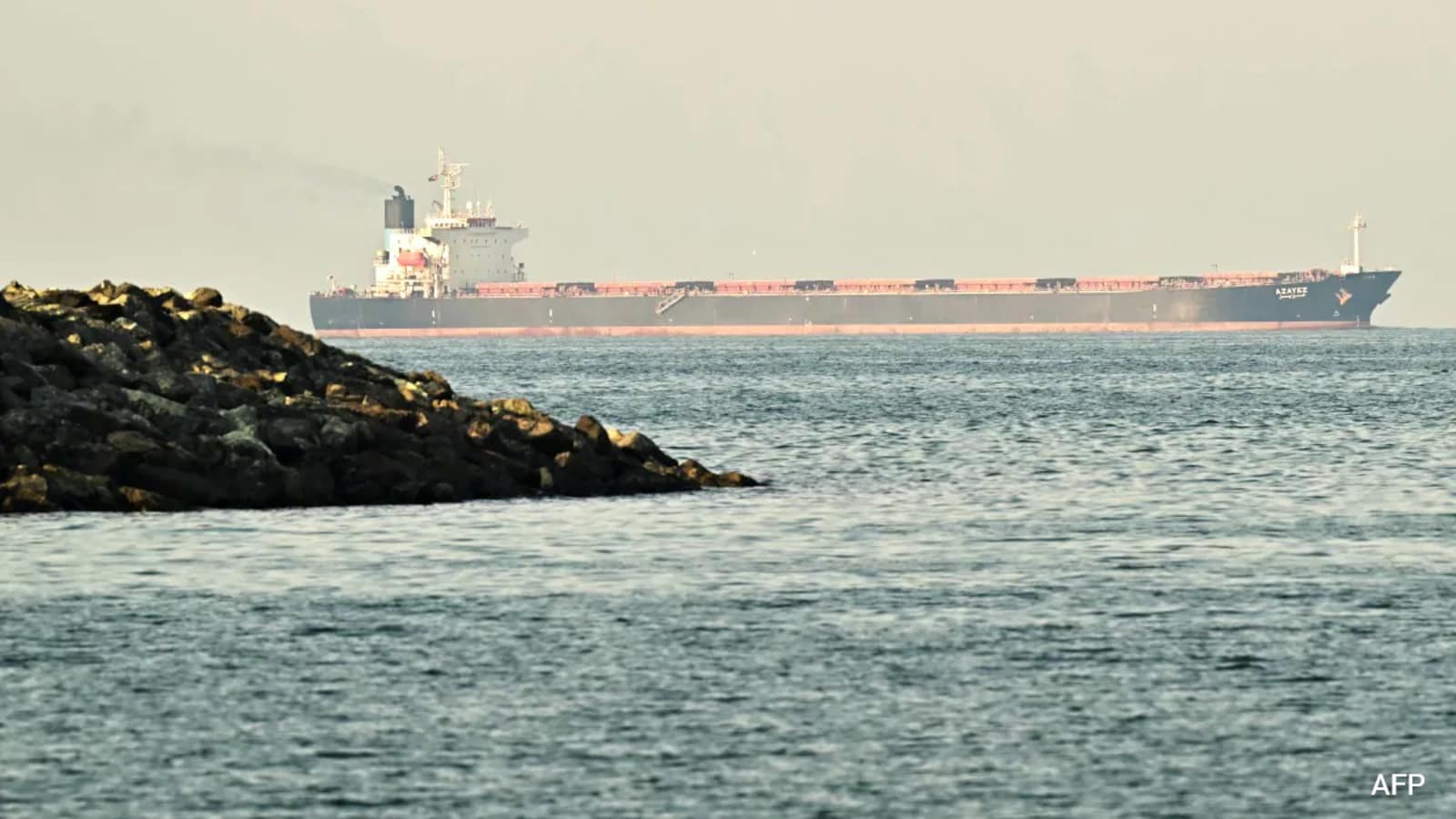
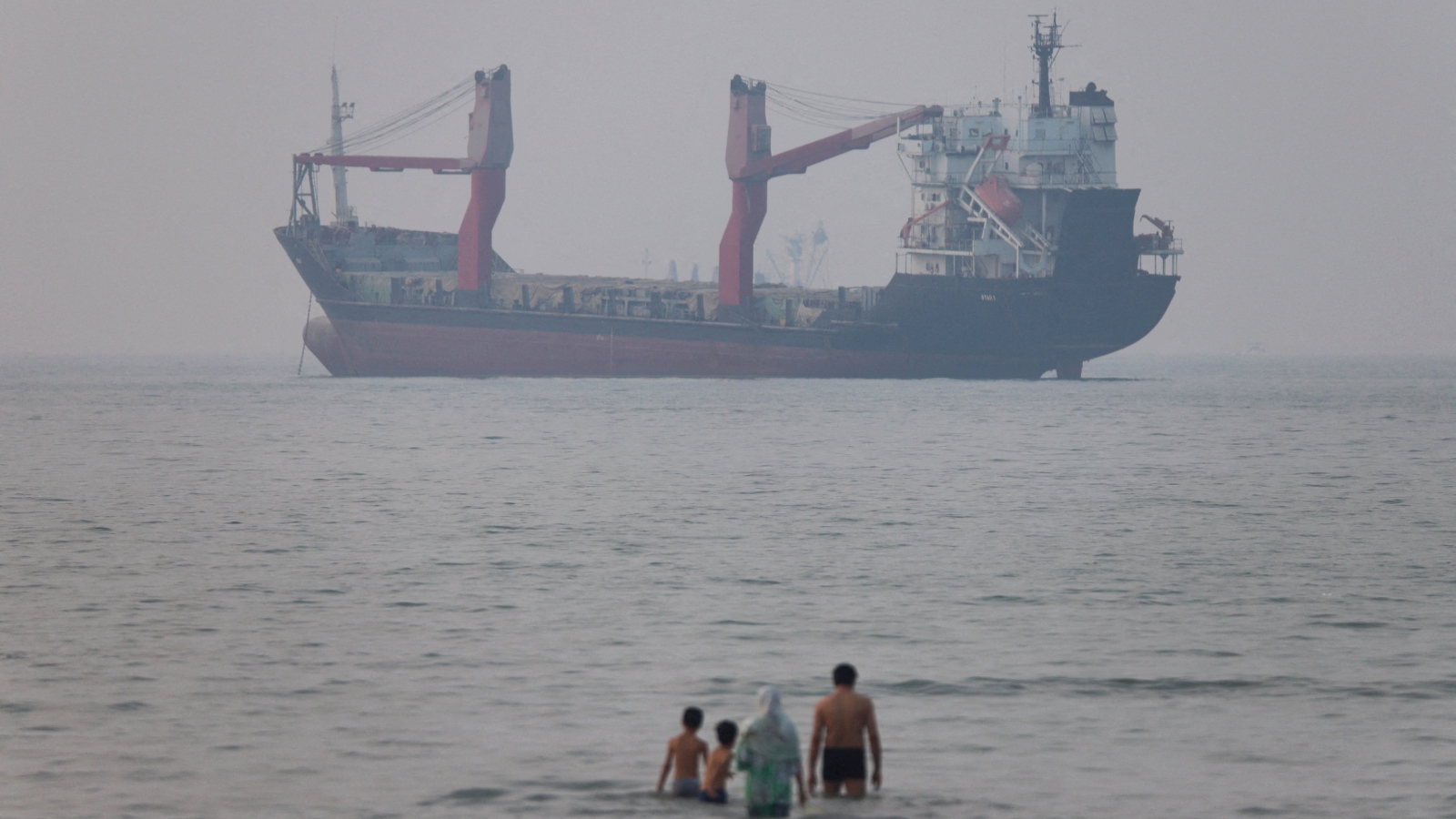
Many ships wait off the coast of Oman to pick up the oil.
This helps people around the world get the fuel they need.

Middle Eastern producers are covertly shuttling crude through the Strait of Hormuz to tankers in the Gulf of Oman, keeping global oil prices in check during the Iran war.
Dark ship volumes are running higher than market estimates of 4 million barrels a day, though exact figures are hard to track.
US Energy Secretary Chris Wright said 9 million barrels a day crossed Hormuz last week, nearly half the pre-war rate of about 20 million barrels a day.
Brent crude futures have traded between $80 and $90 a barrel in August, far below the $150 some feared at the conflict's onset.
Adnoc reported 23 of its vessels attacked while transiting Hormuz since the conflict began, with one fatality and 20 crew injuries.
- Who
- Middle Eastern oil producers including the UAE's Abu Dhabi National Oil Co. (Adnoc), Iraq, Qatar, Kuwait, and Saudi Arabia, along with US Energy Secretary Chris Wright.
- What
- Covert shuttling of crude oil through the Strait of Hormuz to tankers in the Gulf of Oman to keep global prices in check during the Iran war.
- Where
- Strait of Hormuz, Persian Gulf, Gulf of Oman, and off the coast of Oman, including Saudi Arabia's Ras Tanura export hub.
- When
- Ongoing for months; recent figures reported last week, with Brent futures trading in August.
- Why
- To keep global energy prices low and meet customer commitments despite attacks during the Iran war.
Producers and officials
Traders and analysts
Covert oil shuttle trade
Producers and officials
Producers like Adnoc say they are determined to safely deliver energy to global markets and meet customer commitments despite repeated attacks.
Traders and analysts
The trade is far from normal and risky, with seafarer deaths, growing oil spills, and more vessel incidents than publicly recognized.
Hormuz flow estimates
Producers and officials
US Energy Secretary Chris Wright said 9 million barrels a day crossed Hormuz last week, on the high end of estimated flows.
Traders and analysts
Traders were surprised by the figure, and tracking dark ships is difficult; market estimates put shuttle volumes above 4 million barrels a day without specifying how much.
Key facts
- Pre-war Hormuz flow
- About 20 million barrels per day (roughly a fifth of world oil supply)
- Recent Hormuz flow
- 9 million barrels per day last week, per US Energy Secretary Chris Wright
- Dark shuttle volume estimate
- Higher than market estimates of 4 million barrels per day
- Brent crude range (August)
- $80-$90 per barrel
- Adnoc vessels attacked
- 23 since the conflict began
- Adnoc casualties
- 1 fatality and 20 crew injuries
- Ships waiting off Oman
- About 150, versus roughly 40 in January
- Adnoc crude sold
- About 135 million barrels, with another sales round last week
Quotes
United Arab Emirates’ state oil giant Abu Dhabi National Oil Co.
UAE state oil company
“"Like other energy companies in the region, we continue to bear the direct consequences of unprovoked attacks on our people, our ships and our facilities — attacks that place employees, contractors and seafarers at increased risk while disrupting critical energy flows."”
 livemint.com
“"Despite the repeated targeting of our vessels, we are determined to continue meeting our responsibility to safely deliver energy to global markets and to meet our customer commitments and needs as much as possible."”
livemint.com
Sources
Related news
Dark Tankers Keep Oil Prices Below $100 Amid Hormuz War

US says Hormuz oil flows higher than tracked
Shipping Data Challenges US Claims of Control Over Hormuz

Oil Prices Extend Losses as Hormuz Talks Raise Supply Hopes

US Oil Flows Continue as Strait of Hormuz Faces Disruption

Oil Rises as US Strikes Iranian Launchers Near Hormuz

Chevron Plans $7 Billion Venezuela Expansion Amid U.S. Oil Push

Saudi Arabia Says Iranian Tanker Attack Killed Two Sailors
U.S.-Iran Exchange Escalates Across Middle East, Markets Slide
Trump Aides Seek Quiet Iran War Before Midterm Elections
US Warns Middle East Travelers Amid Escalating Iran-Linked Tensions