2 hrs ago
Hotan Air Route Proposal Tests India-China Territorial Claims

India wants its airlines to use a shorter route through China’s Xinjiang region.
This could help because Pakistan has closed its airspace to Indian airlines.
The proposed route would pass near or over Aksai Chin, an area India claims and China controls.
Because of this, the route is not only an aviation issue but also a territorial one.
India and China would have to negotiate permission for the flights.
China’s Hotan Airport is used for both civilian and military purposes.
Experts have said the aircraft considered for the route can handle the high mountains safely.
Air India supports the plan because longer routes have increased costs and losses.
However, the continuing border tensions could make an agreement difficult.

India’s Civil Aviation Ministry has proposed a route through China’s Xinjiang region to reduce losses caused by Pakistan’s airspace closure.
The proposed Hotan route could involve flights over Aksai Chin, a territory claimed by India and administered by China.
Any overflight arrangement would require bilateral negotiations because China is not a signatory to the relevant international air-transit agreement.
Hotan Airport has both civilian and military uses and is near India’s Eastern Ladakh, making negotiations politically sensitive.
Air India supports the proposal, while technical assessments found Boeing 787-8 and 787-9 aircraft capable of operating safely over the mountainous route.
- Who
- India’s Ministry of Civil Aviation, Air India, and China’s relevant authorities are involved; the Ministry of External Affairs has received the proposal.
- What
- A proposal would allow Indian air carriers to fly through China’s Xinjiang region via Hotan to reduce the impact of Pakistan’s airspace closure.
- Where
- The proposed route would pass through Xinjiang and potentially over Aksai Chin, near Eastern Ladakh.
- When
- The article reports that Pakistani airspace has been closed to Indian carriers since April 2025, with the latest extension lasting until mid-October; it does not specify when the Hotan proposal was submitted.
- Why
- The route is intended to reduce extra travel time, fuel use, and financial losses caused by restricted access to Pakistani and other affected airspace.
Operational Relief
Sovereignty Concerns
Value of the route
Operational Relief
Air India supports the Hotan route because Pakistan’s airspace closure has increased flight times, fuel use, and losses for Indian international carriers.
Sovereignty Concerns
The route could require India to seek Chinese permission for flights over or near territory that India continues to claim, creating diplomatic and legal complications.
Feasibility and safety
Operational Relief
Technical assessments found Boeing 787-8 and 787-9 aircraft capable of operating over terrain with mountains reaching about 20,000 feet, including handling emergencies such as engine failure or cabin depressurisation.
Sovereignty Concerns
Large parts of Xinjiang’s airspace are military controlled, and Hotan Airport’s dual-use status makes permissions and air-traffic-control arrangements difficult.
Broader bilateral relationship
Operational Relief
Resuming direct air services and other exchanges could support practical improvements in India-China connectivity.
Sovereignty Concerns
India’s External Affairs Minister S. Jaishankar has said there has been no real structural change in bilateral ties and that the relationship remains linked to peace and tranquillity along the border.
Key facts
- Proposal
- A northern route through China’s Xinjiang region via Hotan
- Territory involved
- Aksai Chin, approximately 38,000 square kilometres of territory claimed by India and administered by China
- Airport status
- Hotan Airport is used for both civilian and military purposes
- Airspace negotiations
- Bilateral talks would likely be required because China is not a signatory to the International Air Services Transit Agreement
- Aircraft assessed
- Boeing 787-8 and Boeing 787-9 aircraft
- Pakistan airspace closure
- Closed to Indian air carriers since April 2025, with the latest extension reported through mid-October
- Reported Air India losses
- More than Rs 4,000 crore between April and October of the previous year, according to the article
Sources
Related news
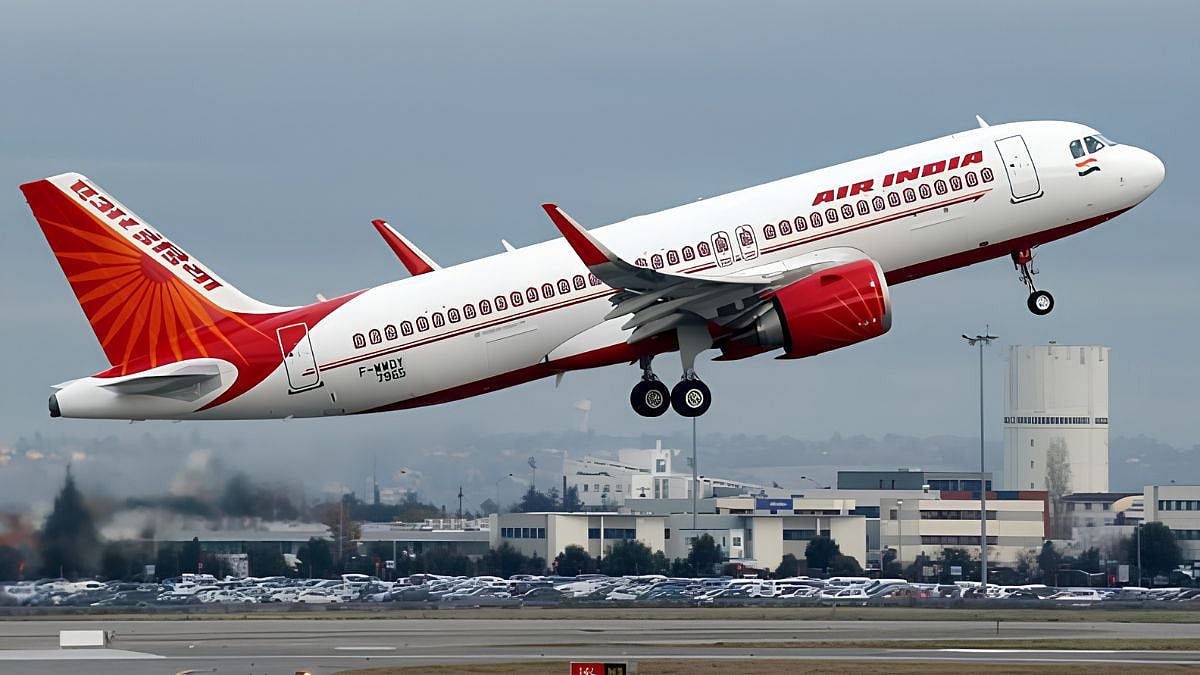
India Seeks Xinjiang Air Corridor Amid Pakistan Ban

Xi to Visit India for Brics Summit After Seven Years

China Southern Resumes Guangzhou–Delhi Flights Amid Xi India Visit

Udit Raj Urges India-China Talks on Border and Trade Issues
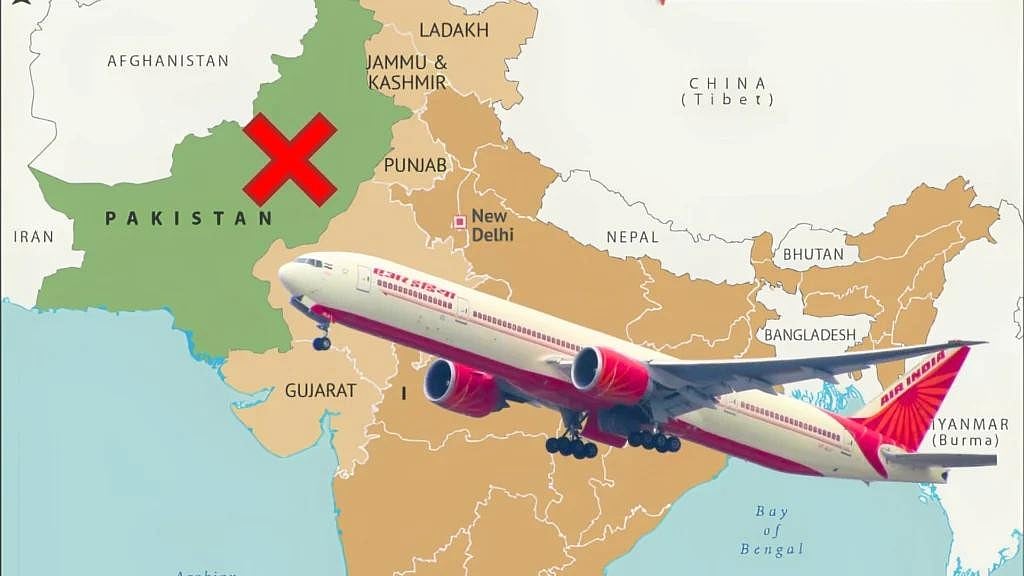
Pakistan Extends Airspace Ban on Indian Aircraft Until October 24

India Rejects Pakistan-China Boundary Commission Over Claimed Indian Territory

India and China Need Settlement Beyond Map Battles

India-China Border Equilibrium Faces Tests Beyond Current Détente

UN Map Reform Challenges Colonial Distortions and Border Claims