45 mins ago
India-China Border Equilibrium Faces Tests Beyond Current Détente
India and China disagree about where their border should be.
They have negotiated for more than 45 years but have not reached a final agreement.
Both countries appear to understand that they cannot easily gain everything they want.
Fighting would be very difficult because the border is mountainous and heavily defended.
This has created a temporary balance in which neither side can improve its position easily.
A recent eight-point statement encourages the countries to make progress in smaller sections of the border.
However, any partial agreement would still need to fit into a final settlement covering the entire border.
Tensions could rise when the next Dalai Lama is chosen or if China becomes directly involved in a future India-Pakistan conflict.
The article argues that India should use the current period of calmer relations to prepare for these risks.

India and China appear to have reached a stable strategic equilibrium along the disputed border.
The August 2026 eight-point statement encourages early progress in individual border sections without abandoning an eventual package settlement.
The Modi-Xi meeting and summit readouts did not change the 2005 framework for resolving the boundary dispute.
Neither side is considered capable of achieving its maximum territorial objectives through negotiation or force.
A Dalai Lama succession dispute or a future India-Pakistan conflict involving China could destabilize the current status quo.
- Who
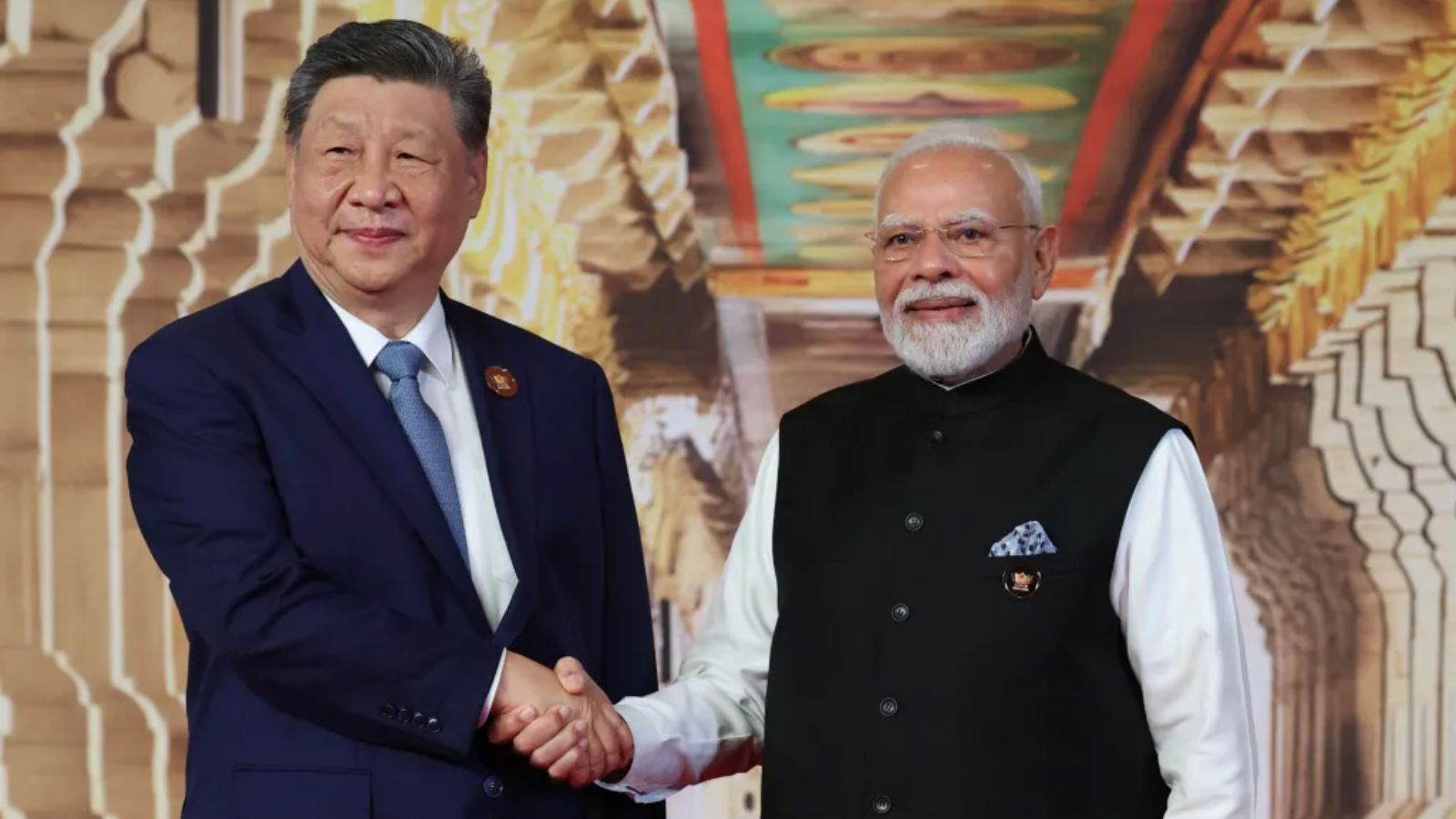
- India and China, including Prime Minister Narendra Modi and Chinese President Xi Jinping.
- What
- The countries appear to be maintaining a Nash equilibrium over their disputed Himalayan border while pursuing limited diplomatic progress.
- Where
- Along the India-China border, including areas such as Aksai Chin and Arunachal Pradesh.
- When
- The assessment follows the August 2026 eight-point statement and the recent BRICS Summit meeting between Modi and Xi.
- Why
- Neither country can realistically achieve its maximum territorial goals through current negotiations or military action, but future Tibet-related tensions or an India-Pakistan conflict could upset the balance.
Key facts
- Negotiation history
- India and China have negotiated the boundary dispute almost continuously since 1981.
- Key framework
- The 2005 Political Parameters and Guiding Principles call for a political, package settlement covering the entire border.
- Recent statement
- The August 2026 eight-point statement urges negotiators to seek an early and substantial harvest.
- Current assessment
- The article describes the border relationship as a Nash equilibrium, in which neither side can improve its expected position by changing strategy alone.
- India's stated maximum objective
- India would seek to recover Aksai Chin up to its original claim and retain its positions in other sectors.
- China's stated maximum objective
- China would seek control of Arunachal Pradesh up to the southern slopes while retaining its positions elsewhere.
- Main risks
- A disputed Dalai Lama succession and a future India-Pakistan conflict involving China could disrupt the status quo.
Quotes
Britannica online
Reference source cited by the article for the definition of a Nash equilibrium
“no player’s expected outcome can be improved by changing one’s own strategy”
 indianexpress.com
Sources
Related news

India-China Talks Seek Border Progress Amid Calls for Peace
India-China Consensus Offers Cautious Momentum, Not Strategic Breakthrough

India-China Talks Show Signs of Border Ties Stabilizing
India, China Agree on Eight-Point Roadmap for Border Management

India and China Seek Border Stability, Boundary Talks
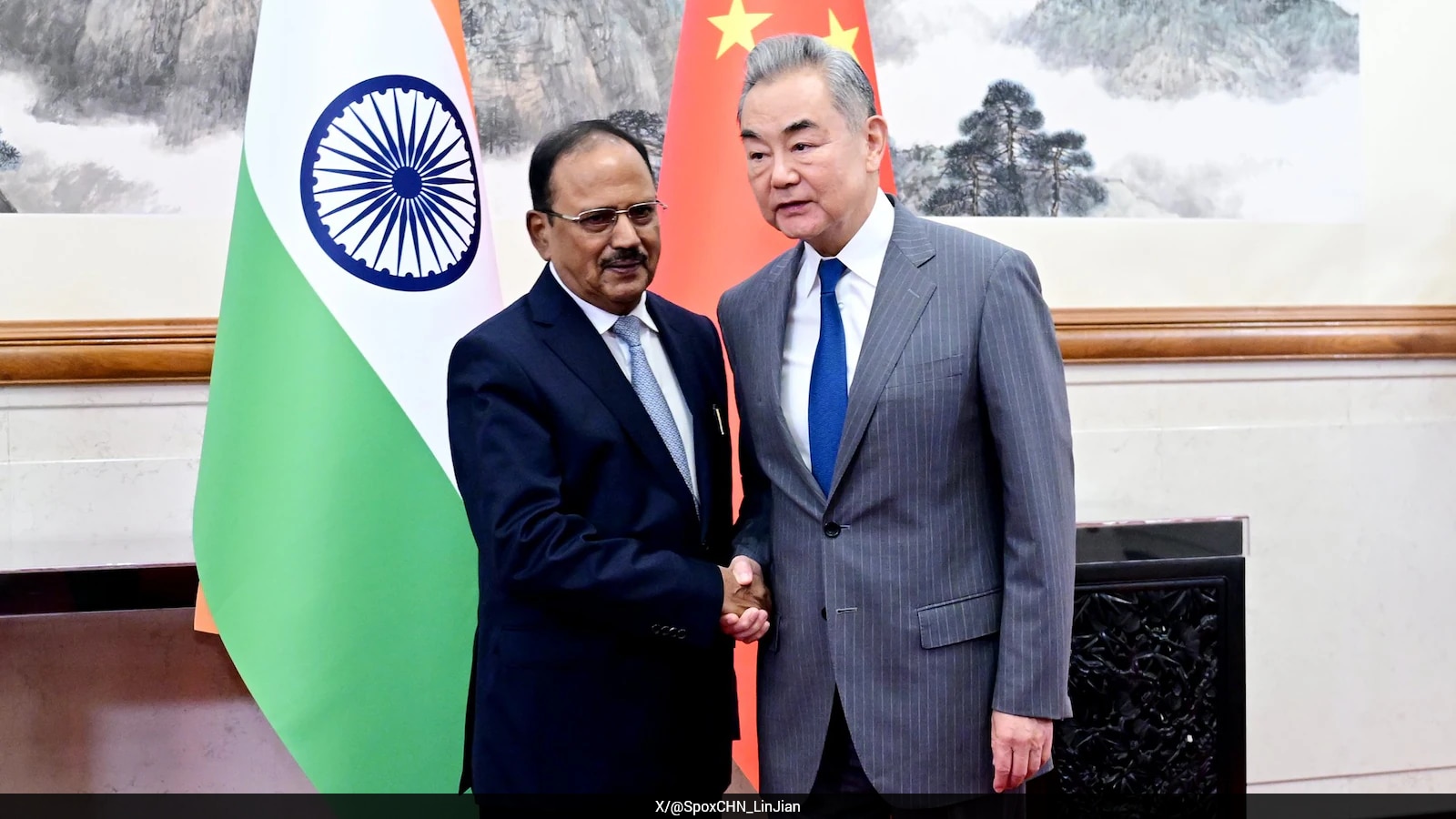
India, China Explore Early Harvest Approach in Border Talks
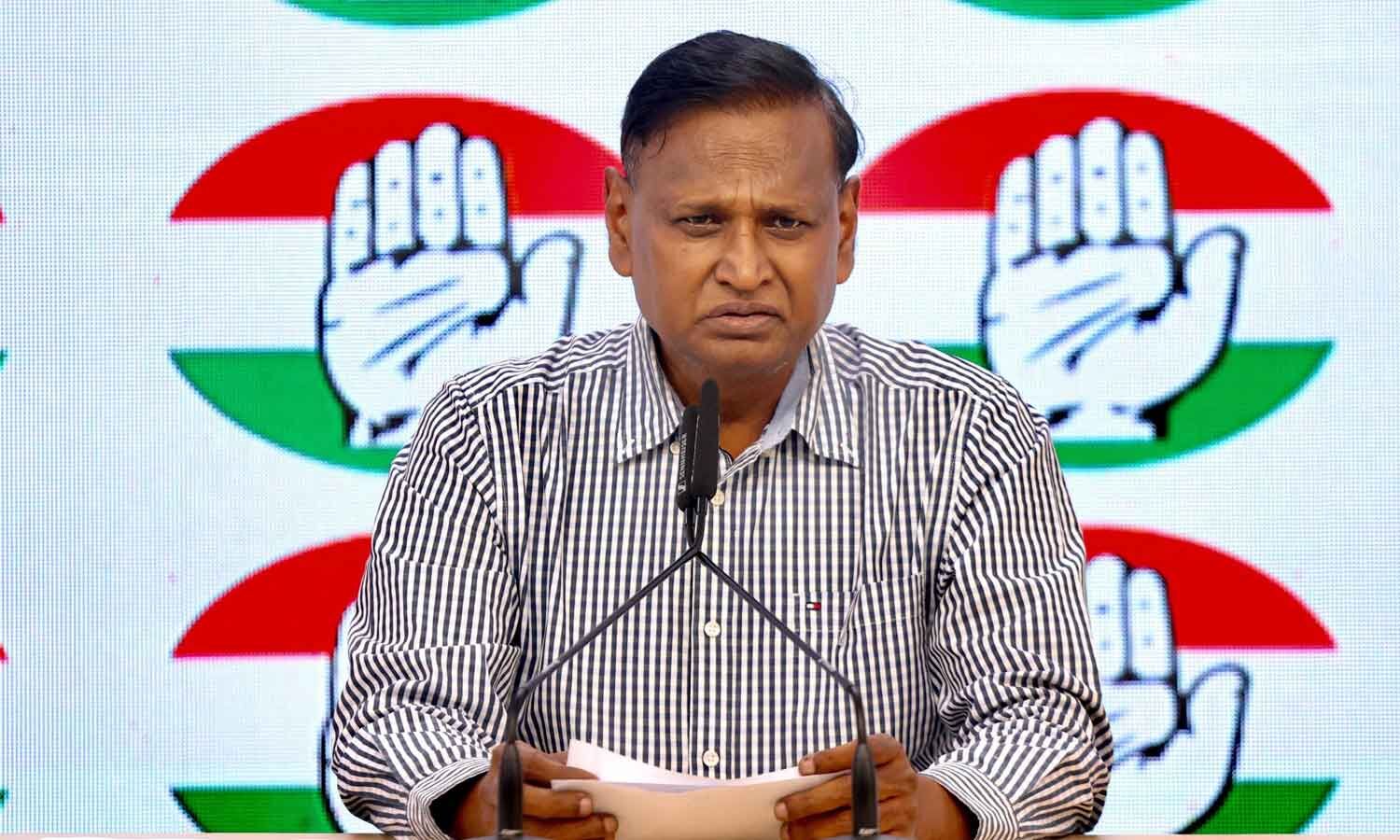
Udit Raj Urges India-China Talks on Border and Trade Issues

UN Map Reform Challenges Colonial Distortions and Border Claims
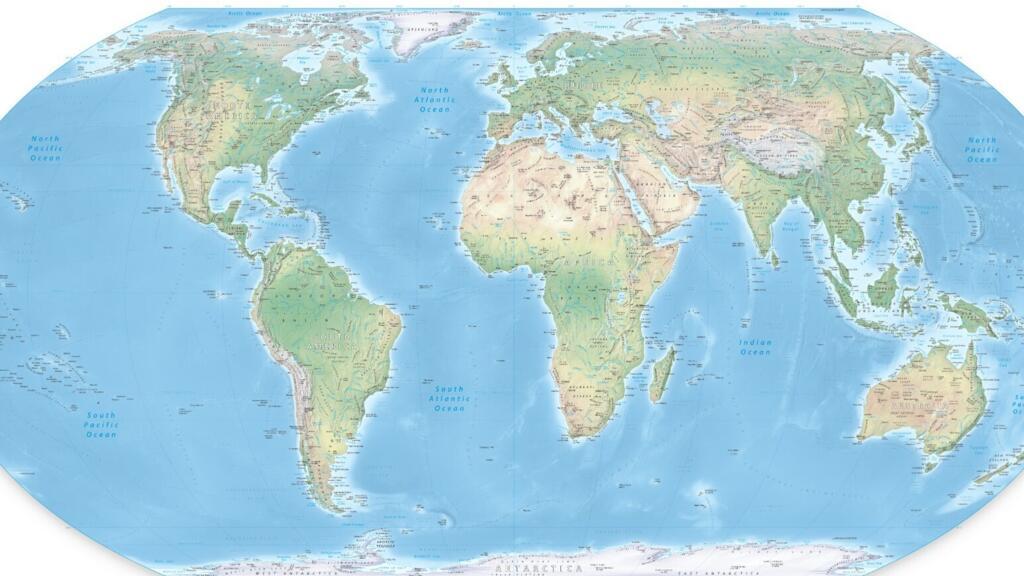
UN Map's Arunachal Pradesh and Aksai Chin Lines Spark Dispute
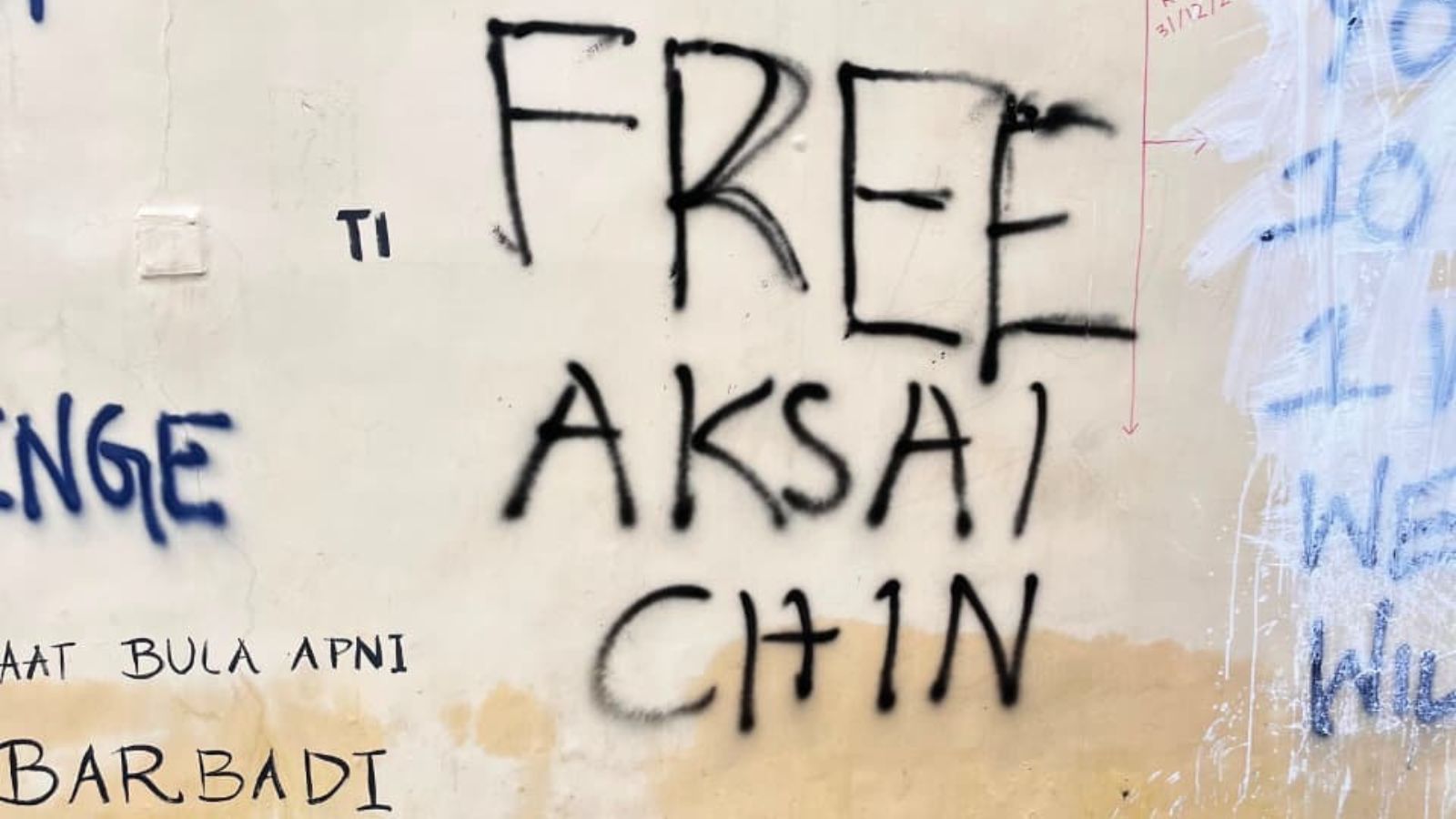
ABVP Paints ‘Free PoK’ and ‘Akhand Bharat’ Slogans at Jadavpur