1 day ago
Slower UK Wage Growth Meets Rising Energy Costs

UK workers are earning more money, but their pay is growing more slowly than before.
At the same time, there are fewer job openings and fewer people on company payrolls.
This suggests that businesses may be becoming more cautious about hiring.
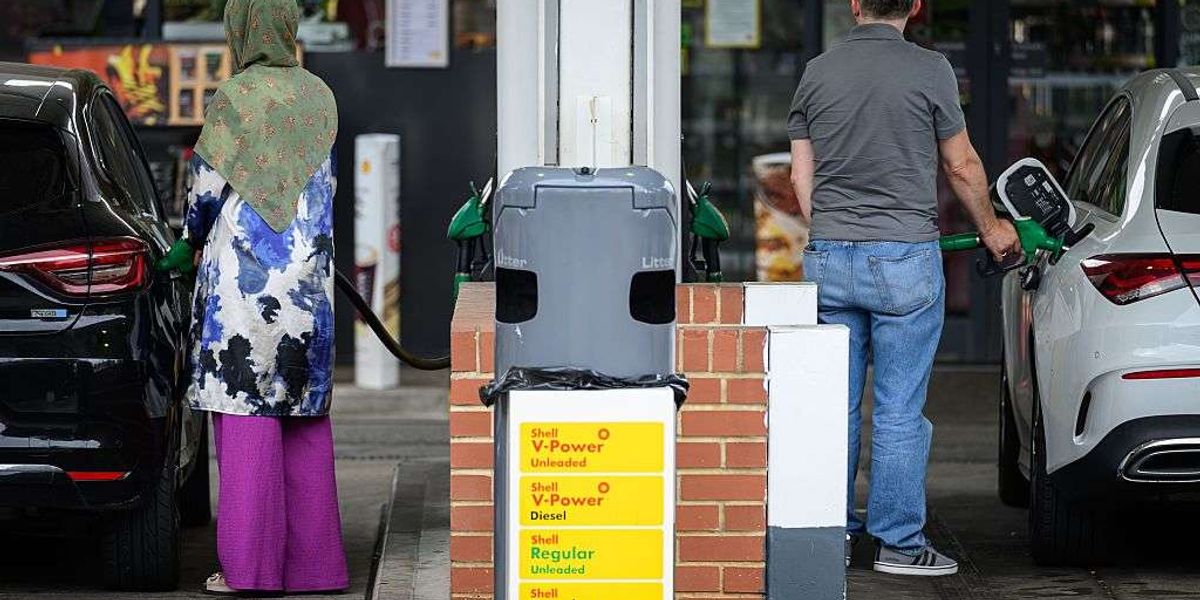
Fuel and other energy costs are also rising because oil prices have gone above $100 a barrel.
Higher fuel costs can make many everyday goods and services more expensive.
The Bank of England must decide whether to keep interest rates steady or raise them to fight inflation.
Raising rates could help slow price increases, but it could also make it harder for businesses and households to borrow money.
The government says the job market is still resilient.
Economists warn that weaker hiring and higher costs could make the autumn difficult for workers and businesses.

Average UK wage growth, including bonuses, fell to 3.9% in the three months to July from 4.1% previously.
Job vacancies dropped to 702,000, while company payroll numbers continued to decline in sectors including retail and hospitality.
Oil prices above $100 a barrel and rising fuel costs could push UK inflation higher again.
The Bank of England is expected to keep its base interest rate at 3.75%, despite renewed market speculation about possible increases.
The government described the jobs market as resilient, while economists and business groups warned of a difficult autumn for hiring and households.
- Who
- UK workers, businesses, households, pensioners, the government and the Bank of England are affected; economists and business groups provided assessments.
- What
- UK wage growth and job vacancies have fallen while rising oil and fuel prices threaten to increase inflation.
- Where
- The United Kingdom.
- When
- Wage figures cover the three months to July, vacancy figures cover the three months to August, and the Bank of England is due to decide interest rates this week.
- Why
- The labour market is cooling while higher global energy prices are creating renewed inflationary pressure and complicating interest-rate decisions.
Warnings of a difficult autumn
Claims of resilience
Condition of the labour market
Warnings of a difficult autumn
Economists and business representatives said falling vacancies, declining payrolls and higher employment costs could signal weakening demand and a rockier autumn.
Claims of resilience
Work and Pensions Secretary Pat McFadden said the jobs market had remained resilient, while acknowledging that more support was needed for young people seeking skills and experience.
Interest-rate response
Warnings of a difficult autumn
Some economists argued that a weak jobs market made it difficult to justify raising interest rates, because higher rates could further weaken hiring and demand.
Claims of resilience
Renewed inflation risks from oil prices and rising consumer costs could lead financial markets to expect further rate increases if price pressures intensify.
Impact on households
Warnings of a difficult autumn
Slower wage growth combined with higher fuel and energy costs could leave workers facing rising expenses before their pay catches up.
Claims of resilience
Easing wage pressures and a weaker labour market could reduce the risk that persistent wage and price increases become embedded in the economy.
Key facts
- Wage growth
- 3.9% including bonuses in the three months to July, down from 4.1% in the three months to June.
- Underlying pay growth
- 3.5%, excluding bonuses, unchanged.
- Job vacancies
- 702,000 in the three months to August, down from 706,000 previously.
- Unemployment
- The headline unemployment rate remained at 4.9%.
- Interest rate
- The Bank of England is widely expected to leave its base rate at 3.75%.
- Oil prices
- Oil prices moved above $100 a barrel.
- State pension
- The 3.9% wage-growth figure is expected to determine the wage element of the government's triple lock.
Quotes
Jake Finney
Senior economist at PwC UK
“With the jobs market remaining weak, it is difficult to see the case for raising interest rates. But the external backdrop is deteriorating again.”
 easterneye.biz
Suren Thiru
Chief economist at the Institute of Chartered Accountants in England and Wales
“The UK labour market could be heading for a rockier autumn.”
easterneye.biz
Sources
Related news

UK labour market cools as wage growth slows, vacancies fall

UK Job Vacancies Hit Five-Year Low as Hiring Market Weakens
UK Inflation Climbs to 3.1% as Fuel Prices Rise

UK Graduate Vacancies Nearly Halve as AI Reshapes Hiring

US Jobs Expected to Rebound as Rate Hike Debate Intensifies

UK Inflation Rises to 2.9% as Energy Bills Climb

Can Fin Homes Unveils ₹296.95-Crore Project Tejas Transformation Programme

PwC India and US Plan 40,000-Employee Advisory Joint Venture

Skewed Monsoon Rainfall Raises Concerns Over Kharif Yields

PwC US and India Create Joint Consulting Venture