6 days ago
US Iran Sanctions Intensify as Military Pressure Gives Way
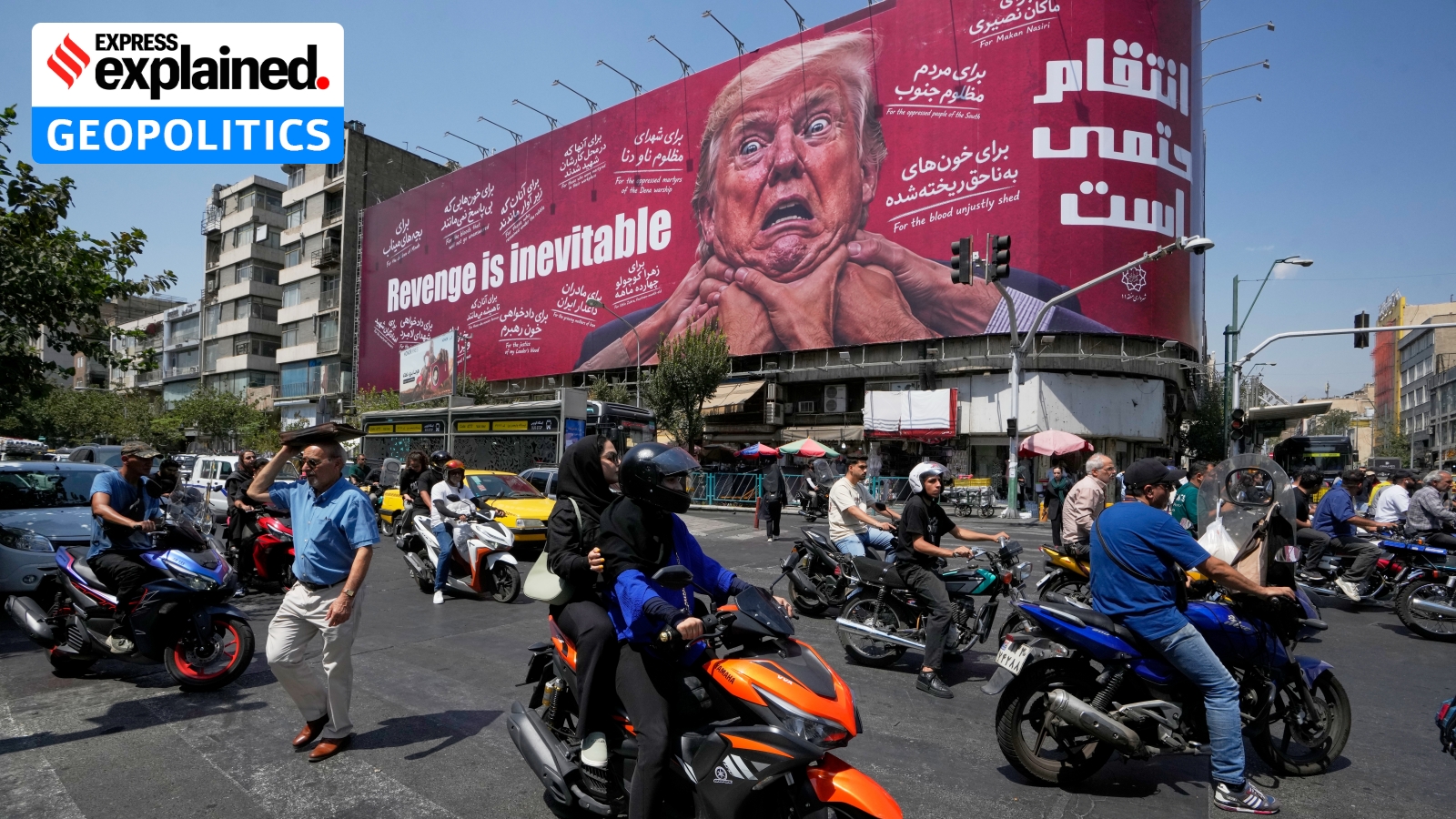
The United States has announced new economic penalties against Iran.
These penalties target businesses, people and ships connected to Iran.
They affect areas such as technology, gold, airplanes and shipping.
The article says Iran has lived under sanctions for many years and has built ways to cope with them.
Sanctions have made life harder for ordinary people but have not caused Iran’s government to collapse.
The United States may be using sanctions because military attacks have not achieved their goals.
Iran is still using its influence around the Strait of Hormuz to strengthen its position.
Both countries may continue indirect negotiations while preparing for the possibility of more fighting.

The United States announced sanctions targeting nearly 60 entities, individuals and vessels linked to Iran across several countries.
The measures cover Iran’s digital assets, technology, gold, aviation and shipping sectors.
The analysis argues that sanctions have historically harmed Iranian citizens more than weakening the Iranian government.
Pakistan’s Asim Munir visited Tehran amid reported efforts to support regional peace and indirect US-Iran talks.
The United States and Iran appear focused on improving their negotiating positions while maintaining a de facto ceasefire.
- Who
- The United States, Iran, Pakistan’s Asim Munir, and Oman are the main actors mentioned.
- What
- The United States imposed new sanctions on Iran while diplomatic and security contacts continued.
- Where
- The measures affect Iran and entities in China, the United Kingdom, France, Singapore, the United Arab Emirates and Ukraine; talks also involve Tehran, Pakistan and Oman.
- When
- The sanctions were announced on Monday, August 24; related developments were reported on August 25 and the following Wednesday, in 2026.
- Why
- Washington says the sanctions increase pressure on Iran, while the analysis says they also reflect a reduced US appetite for renewed military action and may support a return to negotiations.
US Administration’s Case
Article’s Critical Assessment
Purpose of sanctions
US Administration’s Case
The United States presents the measures as a forceful campaign to pressure Iran and entities maintaining economic ties with it.
Article’s Critical Assessment
The analysis says the sanctions largely intensify a policy Washington has used against Iran since 1979 rather than creating a fundamentally new strategy.
Effect on Iran
US Administration’s Case
The sanctions are intended to constrain Iran’s economic resources and behavior.
Article’s Critical Assessment
The article argues that previous sanctions have chiefly harmed Iranian citizens, while Iranian government actors have consolidated control over resources.
Negotiating strategy
US Administration’s Case
Sanctions allow Washington to project strength while potentially returning to negotiations after reducing its reliance on military action.
Article’s Critical Assessment
The analysis says Iran’s escalation around the Strait of Hormuz may improve its bargaining position and could lead Tehran to view escalation as necessary for dealing with Washington.
Key facts
- US operation
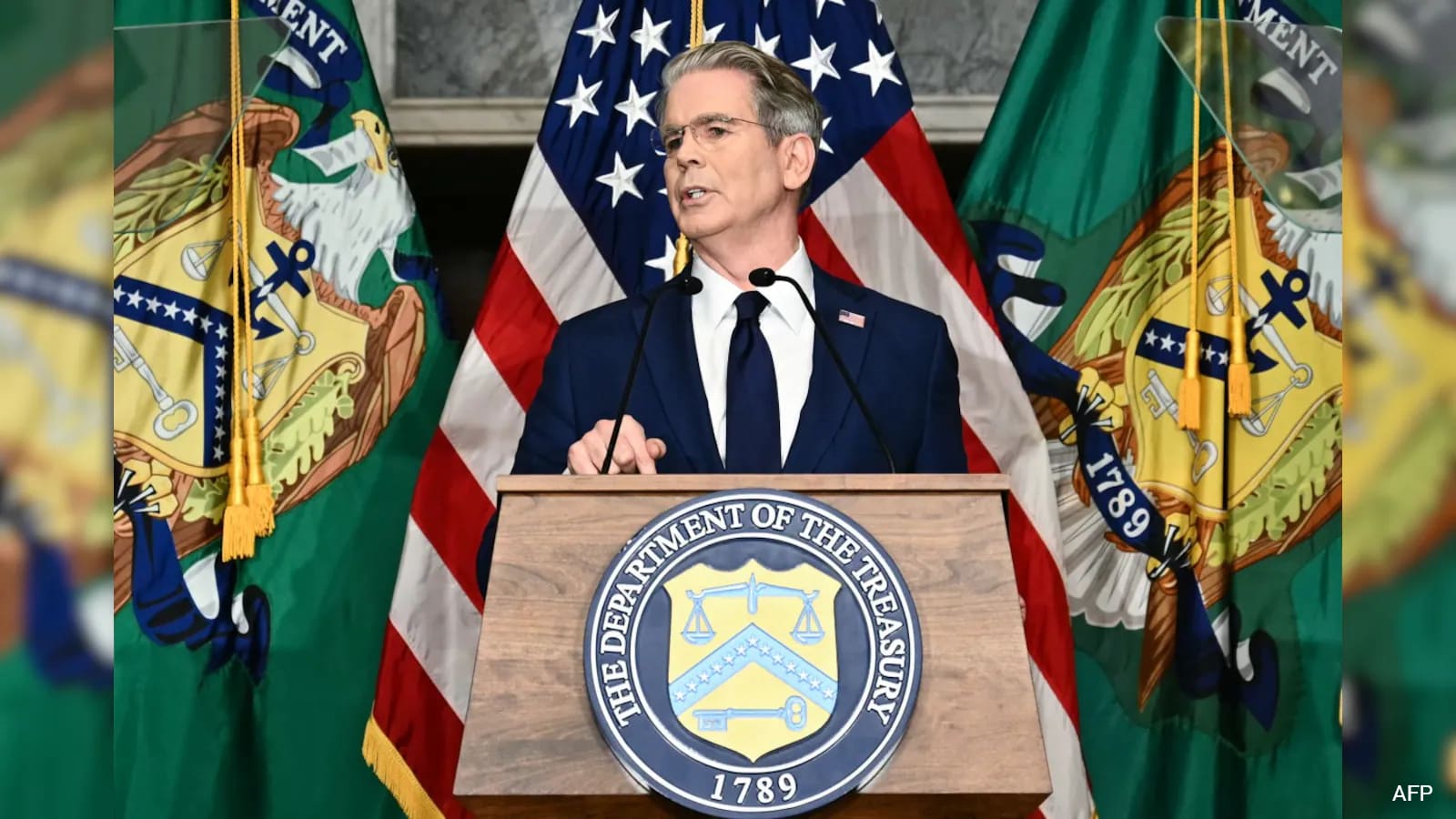
- Treasury Secretary Scott Bessent called the campaign “Operation Economic Outcast” and described it as “Economic D-Day.”
- Sanctions scope
- Nearly 60 entities, individuals and vessels were sanctioned across multiple jurisdictions.
- Targeted sectors
- Digital assets, technology, gold, aviation and shipping.
- Iranian currency
- The article says the rial had fallen to around 2 million rial per US dollar.
- Pakistan’s role
- Asim Munir made his second trip to Tehran since the March war, which Islamabad described as supporting regional peace and stability.
- Strait of Hormuz
- Iran and Oman were discussing a temporary transit corridor, mine-clearing operations and arrangements involving the strait and its revenues.
Sources
Related news
Trump Warns Iran of Economic D-Day as Sanctions Escalate
US Sanctions on Iran Face Limits Despite Trump Pressure
US Expands Iran Sanctions, Threatening Partners With Dollar Cutoff

US Threatens Iran Economic Isolation as Sanctions Enforcement Draws Scrutiny

US Intensifies Iran Pressure With Sanctions, Strike Threats

Economic Pressure May Weaken Iran Without Forcing Surrender

Chevron Plans $7 Billion Venezuela Expansion Amid U.S. Oil Push

Saudi Arabia Says Iranian Tanker Attack Killed Two Sailors
U.S.-Iran Exchange Escalates Across Middle East, Markets Slide
Trump Aides Seek Quiet Iran War Before Midterm Elections
US Warns Middle East Travelers Amid Escalating Iran-Linked Tensions