

1 week ago
Kejriwal Links Sugar Price Surge to Ethanol Policy

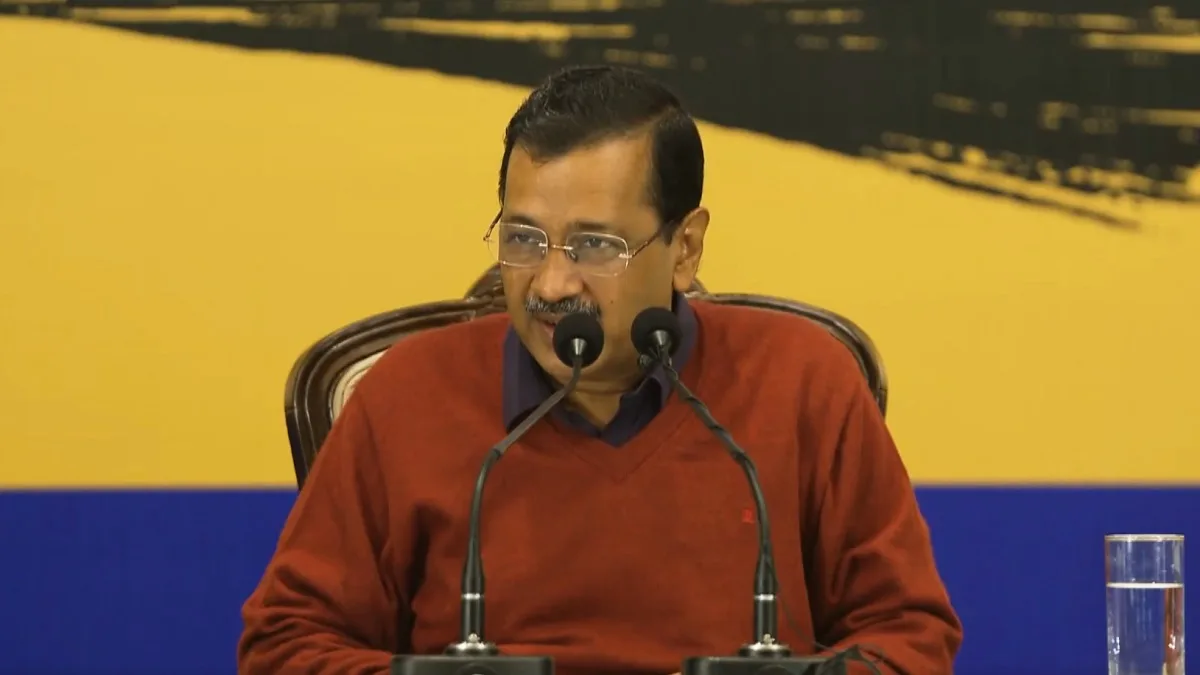
Arvind Kejriwal says sugar has become much more expensive in India.
He claims the price rose from about Rs 46 to Rs 65 per kilogram in 17 days.
He says this happened because some sugarcane was used to make ethanol instead of sugar.
Ethanol is mixed with petrol to reduce the need to import crude oil.
The policy is meant to save foreign exchange.
Kejriwal argues that India may now need to use that money to import sugar.
The Centre has limited how much sugar large buyers can store.
The limit applies from September 1 to November 30.

Arvind Kejriwal alleged sugar prices rose from around Rs 46 to Rs 65 per kilogram in 17 days.
He attributed the increase to sugarcane being diverted toward ethanol production under the E20 policy.
Kejriwal said ethanol blending was intended to reduce crude oil imports and save foreign exchange.
He argued that reduced sugar availability could force India to import sugar, offsetting those savings.
The Centre imposed stockholding limits on bulk sugar consumers from September 1 through November 30.
- Who
- AAP National Convenor Arvind Kejriwal made the allegations; the Centre and the Modi government are the focus of his criticism. Food Minister Pralhad Joshi announced the stockholding order.
- What
- Kejriwal linked a claimed Rs 20-per-kilogram sugar price rise to sugarcane diversion for ethanol production, while the Centre announced limits on bulk sugar stocks.
- Where
- Kejriwal made the allegations in a video message concerning policy in India; the second report was datelined New Delhi.
- When
- Kejriwal spoke on Thursday and said the price increase occurred over the previous 17 days. The stockholding order runs from September 1 to November 30.
- Why
- Kejriwal argued that diverting sugarcane reduced sugar availability, while the ethanol policy's stated objective was to reduce crude oil imports and save foreign exchange. The Centre cited concerns about rising prices and tight supplies ahead of the festival season for the stockholding limits.
Kejriwal's Criticism
Policy Rationale and Centre's Action
Cause of higher sugar prices
Kejriwal's Criticism
Kejriwal alleged that diverting sugarcane to ethanol reduced sugar availability and contributed to the increase from around Rs 46 to Rs 65 per kilogram.
Policy Rationale and Centre's Action
The reports do not include a direct Centre response disputing or confirming Kejriwal's attribution; the Centre acted amid concerns about tight supplies and rising prices.
Foreign-exchange impact
Kejriwal's Criticism
Kejriwal argued that money saved by importing less crude oil could instead be spent importing sugar if domestic supplies fall.
Policy Rationale and Centre's Action
The stated rationale for ethanol blending is to reduce crude oil imports and save foreign exchange.
Consumer effects
Kejriwal's Criticism
Kejriwal alleged that consumers face higher sugar prices and reduced mileage or vehicle performance from ethanol-blended petrol.
Policy Rationale and Centre's Action
The Centre's reported response was a temporary stockholding limit for bulk consumers, intended to address price and supply concerns before the festival season.
Key facts
- Claimed earlier sugar price
- Around Rs 46 per kilogram
- Claimed current sugar price
- Around Rs 65 per kilogram
- Claimed increase
- Nearly Rs 20 per kilogram over 17 days
- Policy under criticism
- E20 ethanol blending and diversion of sugarcane toward ethanol production
- Policy rationale
- Reduce crude oil imports and save foreign exchange
- Stockholding threshold
- Bulk consumers using more than 10 tonnes of sugar per month
- Permitted stock
- No more than 15 days of consumption
- Order period
- September 1 through November 30
Quotes

Arvind Kejriwal
National Convenor of the Aam Aadmi Party
“They said ethanol blending would save foreign exchange spent on importing oil. Now we are being forced to spend the same foreign exchange on importing sugar.”
 thehansindia.com
““Sugar that was Rs 46 per kilogram 17 days ago is now Rs 65 per kilogram,” Kejriwal claimed, attributing the increase to a shortage of sugarcane and sugar.”
 thestatesman.com
Sources
Related news
CPI(M) Blames Ethanol Policy for Rising Sugar Prices

Kharge Targets Centre Over Sugar Shortage and Ethanol Policy

Kejriwal Links E20 Petrol Concerns to Rising Sugar Prices

Gehlot Criticises Ethanol Blending Over Sugar and Consumer Costs
Haryana Congress Flags Sharp Rise in Sugar Prices
India's Sugar Stocks Surge Amid Debate Over Ethanol's Role
BJP Alleges Punjab Cash-for-Transfer Network, Seeks Mann Resignation
Delhi Approves Free Rooftop Solar Panels for 2.3 Lakh Homes

Ranka’s Gavi, AAP and Pakistan Links Raise Transparency Questions
Rahul Gandhi Challenges Maharashtra Roll After 2.07 Crore Exclusions
Delhi SIR Draft Roll Leaves 47.6 Lakh Voters Unlisted
