

2 hrs ago
Odisha Mining Law Sparks Fresh Centre-State Tussle
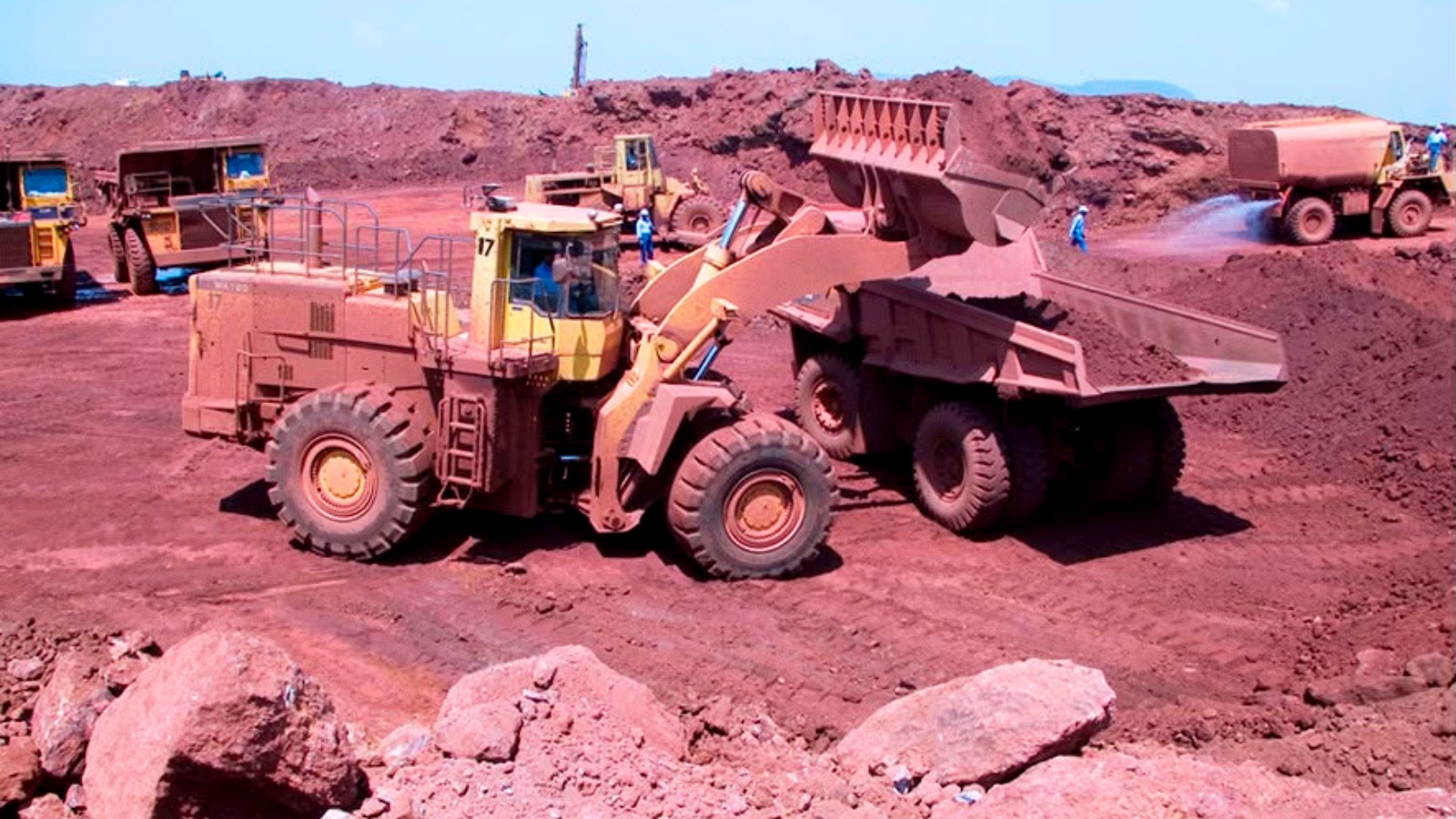
India passed a new law about how mining taxes should work.
The law gives the central government more control over taxes on mines and mineral-rich land.
Odisha says this could reduce the money it receives because mining is very important to its economy.
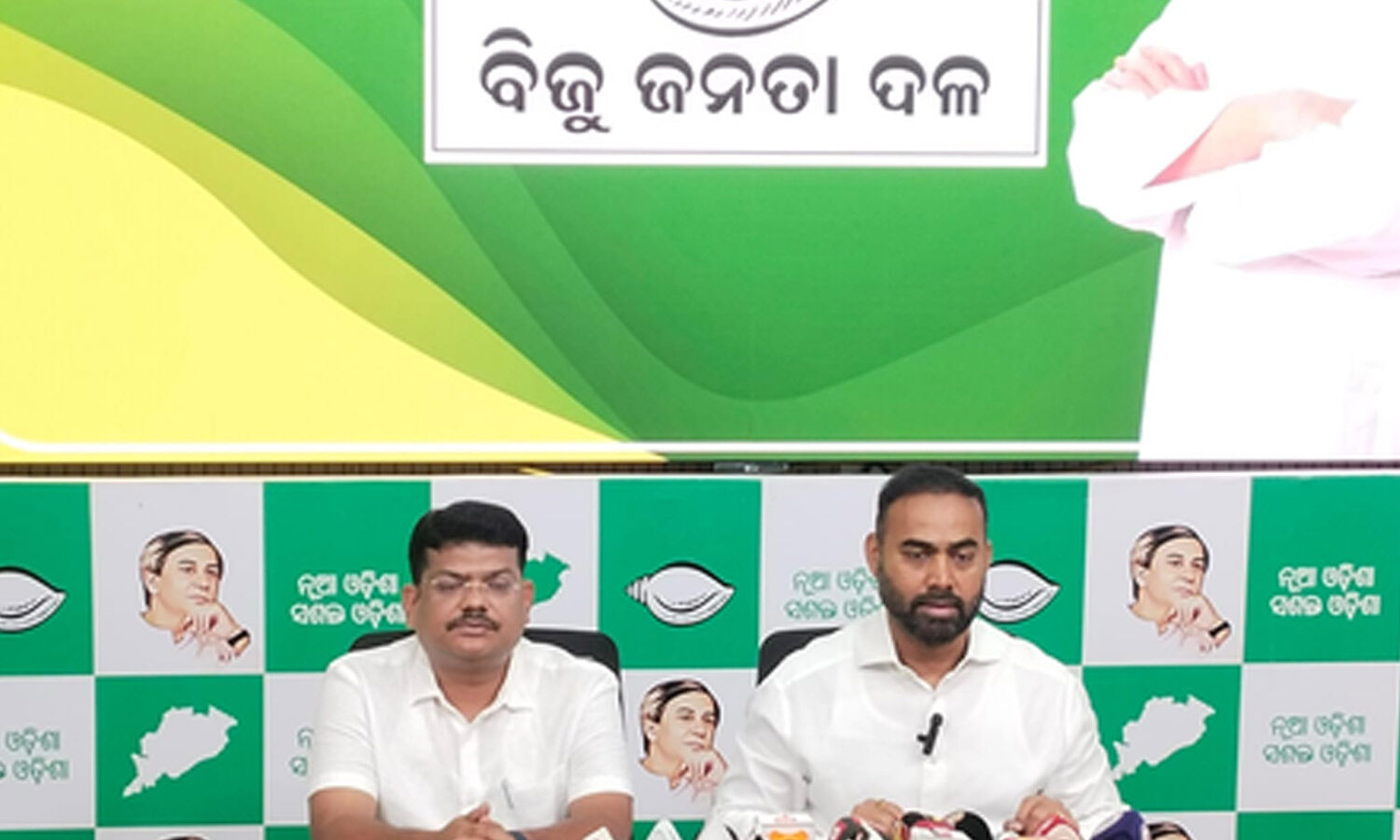
The Biju Janata Dal says Odisha could lose thousands of crores every year and money it might have collected from earlier years.
The BJP says the law will stop confusing and excessive taxes from hurting factories and workers.
Opposition parties say the central government has taken away an important financial right from the states.
The disagreement has become a major political issue in Odisha.
Some opposition parties are considering protests and a court challenge.

Parliament passed the Mines and Minerals (Development and Regulation) Amendment Act, 2026, restricting states’ ability to tax mineral rights and mineral-bearing lands.
The amendment overrides key financial effects of the Supreme Court’s 2024 ruling allowing states to levy such taxes and collect arrears from April 1, 2005.
The Biju Janata Dal estimates Odisha could lose Rs 12,000 crore annually and Rs 1 lakh crore in arrears, while the BJP disputes the Opposition’s claims.
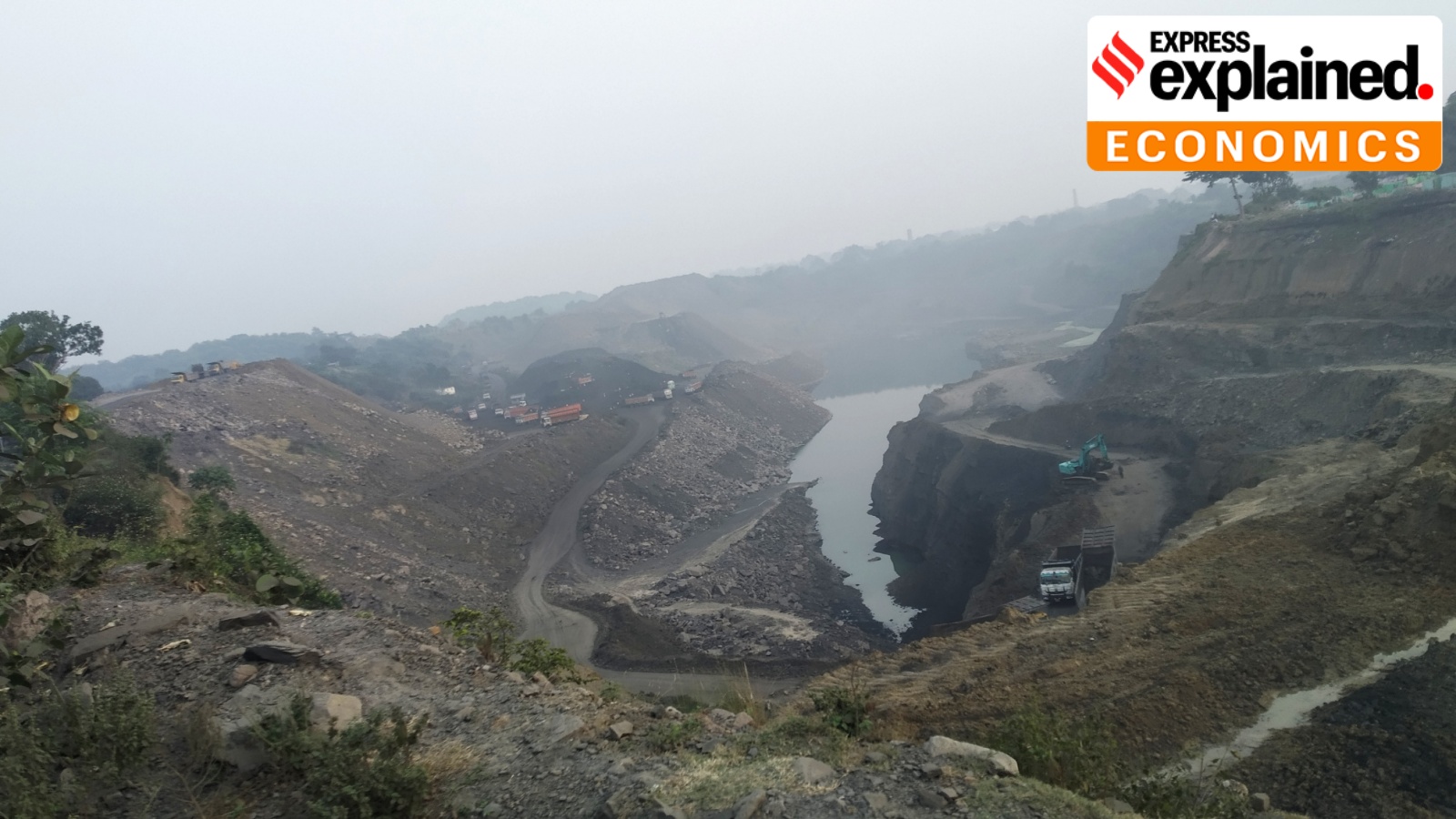
Odisha’s economy depends heavily on mining, which contributes 23.1% of industrial GVA and 9.5% of the state’s GSVA, according to the state economic survey.
The BJP says uniform taxation will protect mining and manufacturing, while the BJD, Congress and Left parties describe the law as an attack on federalism and state finances.
- Who
- The Union government, Odisha’s BJP government, the Biju Janata Dal, Congress and Left parties are involved; Naveen Patnaik and other political leaders have publicly opposed or defended the law.
- What
- Parliament passed the Mines and Minerals (Development and Regulation) Amendment Act, 2026, which restricts states from imposing taxes on mineral rights and mineral-bearing lands except under conditions prescribed by the Centre.
- Where
- The dispute is centered in Odisha and concerns the relationship between the Union government and Indian states.
- When
- Parliament passed the amendment on August 13, 2026; the political dispute intensified in August, including through statements on August 28 and 29.
- Why
- The amendment changes states’ potential mining-tax revenues and centralizes authority over mineral-related taxation, affecting Odisha because of its large mineral reserves and mining-dependent economy.
Opposition and state-rights concerns
BJP and national-tax framework
State financial powers
Opposition and state-rights concerns
The BJD, Congress and Left argue that the amendment removes states’ rights to tax mines and mineral-bearing land and weakens India’s federal structure.
BJP and national-tax framework
The BJP says the amendment is in the country’s and Odisha’s wider interest and establishes a consistent national framework for mineral taxation.
Effect on Odisha’s revenue
Opposition and state-rights concerns
The BJD estimates that Odisha could lose Rs 12,000 crore each year and Rs 1 lakh crore in arrears that might have followed the 2024 Supreme Court ruling.
BJP and national-tax framework
Odisha’s Steel and Mines Minister Bibhuti Jena says mining-sector earnings have already risen substantially since the 2015 MMDR changes and accuses the Opposition of misleading people.
Impact on industry and consumers
Opposition and state-rights concerns
Opposition leaders characterize the measure as anti-Odisha and say it could deprive the state of funds for infrastructure and social-sector spending.
BJP and national-tax framework
BJP leaders argue that arbitrary, multi-level levies could force mining and manufacturing units to close, threaten jobs and raise costs for steel, cement, power, housing and essential goods.
Key facts
- Law
- Mines and Minerals (Development and Regulation) Amendment Act, 2026
- Key provision
- Section 9D bars states from imposing taxes, cess or other levies on mineral rights or mineral-bearing lands except under conditions prescribed by the Centre.
- Supreme Court ruling
- In July 2024, an 8-1 Constitution Bench upheld states’ power to tax mineral rights and mineral-bearing lands and allowed arrears from April 1, 2005, without interest or penalty.
- BJD estimate
- The BJD says Odisha could lose Rs 12,000 crore annually and Rs 1 lakh crore in arrears.
- Mining importance
- Mining and quarrying account for about 23.1% of Odisha’s industrial GVA and 9.5% of its GSVA.
- Mineral reserves
- Odisha holds 28% of India’s iron ore, 24% of its coal, 59% of its bauxite and 98% of its chromite, according to the article.
- Planned opposition
- The Congress and Left parties planned to gherao the Odisha Assembly on September 29, while Congress leaders said they were exploring a Supreme Court challenge.
Quotes

Dharmendra Pradhan
Former Union minister and BJP MP from Sambalpur
“Through the MMDR Amendment Act, the Centre has permanently taken away the rights of the state governments over mines and mineral-bearing land. Taking away the rights of the states is an attack on the federal structure of the country.”
 indianexpress.com
“Imposing arbitrary and multi-level levies would have forced key mining operations and manufacturing units in mineral-bearing districts to shut down, threatening the livelihoods of lakhs of our youth.”
indianexpress.com
Sources
Related news

MMDR Amendment Bill 2026 Sparks State-Centre Mining Tax Battle

Naveen Patnaik says mining bill infringes Odisha's financial rights

Patnaik, Pradhan Clash Over Odisha Mining Law Changes
India's mining tax overhaul reignites Centre-state tussle over revenue
BJD Escalates Odisha Mining Revenue Fight Against BJP

Parliament Passes Mines and Minerals Amendment Bill Curbing State Levies
Odisha Congress Forms New Team Ahead Of Local Polls

BJD Plans Odisha Protest Over MMDR Amendment Act

Odisha Congress chief urges suspended MLA Sofia Firdous to resign
Odisha Panchayat Polls Set For Three-Party Rural Strength Test
