10 hrs ago
2026 Midterms Highlight House-Senate Differences and Trump’s Leverage

The United States has two parts of Congress: the House and the Senate.
The House has 435 voting members, and seats are based on state population.
The Senate has 100 members, with two from every state.
House members run for election every two years, while senators serve six-year terms.
The House can start tax bills and impeach federal officials.
The Senate confirms presidential nominees, approves treaties, and holds impeachment trials.
House debate is tightly controlled, while Senate rules allow longer debate and filibusters.
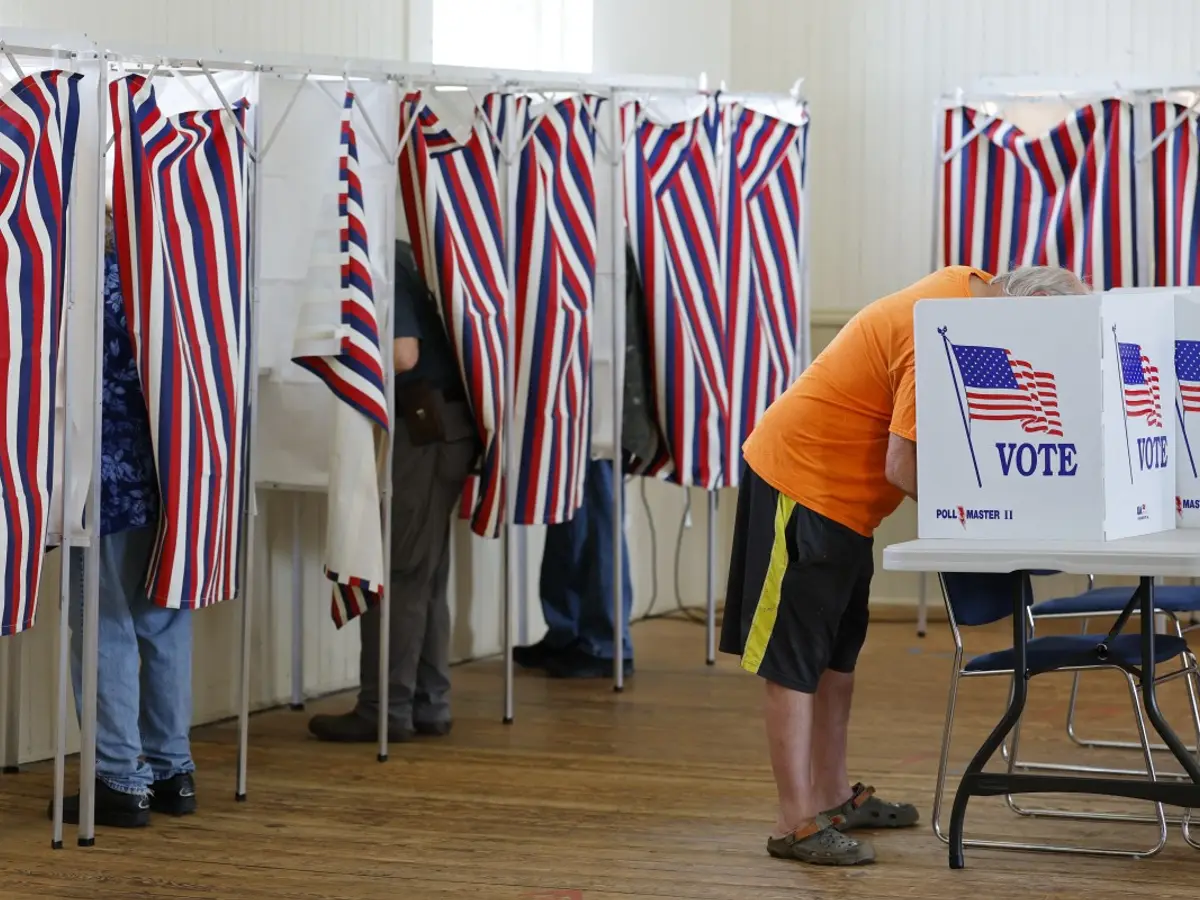
In 2026, voters will choose every House member and about one-third of senators.
The results will help determine how easily President Donald Trump can advance his agenda during the final two years of his term.

The November 3, 2026, midterms will elect all 435 voting House members and one-third of the Senate.
House seats are distributed by state population, while every state has two senators regardless of population.
House members serve two-year terms, while senators serve six-year terms with elections staggered by class.
The House initiates impeachment and revenue bills; the Senate confirms nominees, ratifies treaties, and conducts impeachment trials.
Republicans reportedly hold narrow majorities in both chambers, making control of Congress and Trump’s legislative agenda highly competitive.
- Who
- Voters will elect members of the United States House of Representatives and Class 2 senators; the results will affect President Donald Trump and the 119th Congress.
- What
- The 2026 midterm elections will decide all 435 voting House seats and approximately one-third of the Senate, while determining congressional control.
- Where
- Across the United States, with House candidates running in congressional districts and Senate candidates running statewide.
- When
- Tuesday, November 3, 2026.
- Why
- The elections will determine whether Republicans retain unified control or whether divided government changes legislation, oversight, funding, and presidential appointments.
Key facts
- House seats
- 435 voting members, plus six non-voting delegates.
- Senate seats
- 100 members, with two senators from each state.
- House elections
- All House members face election every two years.
- Senate elections
- Approximately one-third of senators face election every two years; Class 2 seats are contested in 2026.
- Reported House balance
- Republicans 218, Democrats 214, according to the article.
- Reported Senate balance
- Republicans 53, Democrats 47, according to the article.
- Senate filibuster
- Most standard legislation generally requires 60 votes to end debate, while budget reconciliation can pass with a simple majority if it meets applicable rules.
Quotes

George Washington
Founding father and delegate to the 1787 Constitutional Convention
“Even so, we pour legislation into the senatorial saucer to cool it.”
 firstpost.com
Sources
Related news

What the 2026 US Midterm Elections Could Decide

Trump Impeachment Could Shape the 2026 Midterm Elections

Prediction Markets Favor Democrats in 2026 Midterm Congress Control

2026 Midterms Will Test Trump’s America First Strategy
What to Know About the 2026 US Midterm Elections

US Congress races election clock with crowded agenda

Republicans Rush Funds Into Dozens Of Once-Safe House Races

Democrats Push Iran War Powers Vote as Republicans Shift

Democratic Senators Target Israel’s E1 Settlement Project With Sanctions