1 hr ago
2026 Midterms Will Test Trump’s America First Strategy
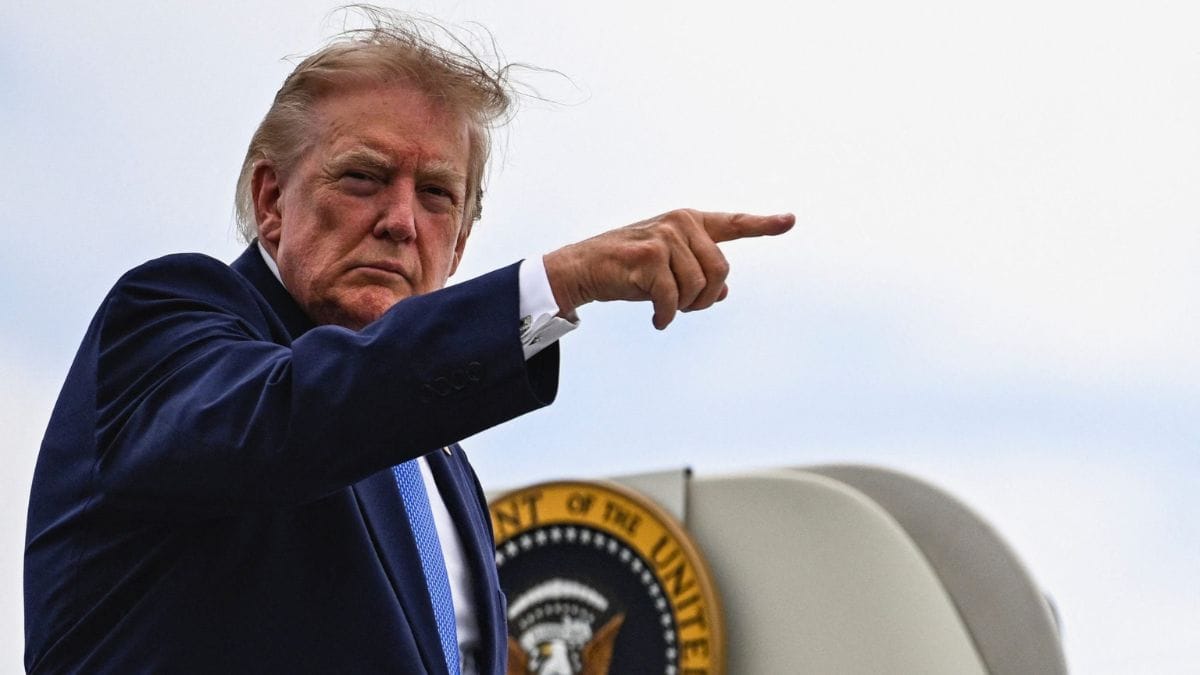
The 2026 midterm elections will choose members of Congress, not the president.
All 435 House seats and about one-third of the Senate seats will be contested.
Republicans currently have small majorities in both chambers.
If Democrats win a chamber, they could investigate and limit parts of President Donald Trump’s foreign policy.
If Republicans keep control, Trump would have more freedom to continue his “America First” approach.
This approach asks allies to contribute more and seeks trade deals that appear more beneficial to the United States.
The elections may affect how the United States supports Ukraine and competes with China.
They could also change how Washington works with allies and India.
Other countries will watch to see whether American foreign policy remains steady or becomes more changeable.

The November 2026 midterms will determine control of the US House and Senate while President Donald Trump remains in office.
Republicans currently hold narrow majorities in both chambers, so a modest electoral shift could change Washington’s balance of power.
Democratic control of either chamber could increase scrutiny of tariffs, alliances, Ukraine support, funding and executive authority.
Continued Republican control would give Trump more room to pursue transactional diplomacy, burden-sharing and economic nationalism.
The election’s outcome could affect US commitments involving Ukraine, China, trade, alliances and strategic cooperation with India.
- Who
- US voters, President Donald Trump, congressional Republicans and Democrats, and international partners including Ukraine, China and India.
- What
- The 2026 midterm elections will determine congressional control and test domestic support for Trump’s “America First” foreign policy.
- Where
- Across the United States, with consequences for Washington’s foreign relations worldwide.
- When
- The elections are scheduled for early November 2026, midway through Trump’s four-year presidential term.
- Why
- Congress controls funding, sanctions, trade legislation, arms transfers and oversight, which help sustain or constrain US international commitments.
Democratic Control of Congress
Continued Republican Control
Foreign-policy oversight
Democratic Control of Congress
Democratic control of either chamber could strengthen scrutiny of tariffs, alliance management, funding priorities and executive authority.
Continued Republican Control
Republican control would provide the administration greater room to consolidate its foreign-policy approach.
Ukraine support
Democratic Control of Congress
Democratic control could preserve stronger congressional backing for Ukraine, while potentially increasing tensions with the White House.
Continued Republican Control
Continued Republican control could give Trump more latitude to pursue a negotiated settlement and press Europe to assume more responsibility.
China strategy
Democratic Control of Congress
Democratic gains could favor greater coordination with allies and more congressional scrutiny of bilateral agreements.
Continued Republican Control
Republican gains could reinforce tariffs, export controls, pressure on allies to reduce dependencies and Trump’s preference for high-level bargaining.
Alliances and trade
Democratic Control of Congress
A Democratic approach could place more emphasis on institutionalized commitments and negotiated leadership.
Continued Republican Control
A Republican approach would likely emphasize reciprocity, burden-sharing, strategic alignment and more transactional partnerships.
Key facts
- Election timing
- Early November 2026
- Offices contested
- All 435 House seats, roughly one-third of the 100 Senate seats, and numerous state and local offices
- Current congressional balance
- Republicans hold narrow majorities in both chambers
- Central foreign-policy framework
- Donald Trump’s “America First” approach
- Major policy tests
- Ukraine, China, trade and alliances
- Potential Democratic effect
- Greater congressional scrutiny and possible constraints on implementation
- Potential Republican effect
- More political and institutional space for Trump’s foreign-policy agenda
- Relevance for India
- US-India cooperation could face changing demands involving trade, market access, energy purchases and strategic alignment
Sources
Related news
Trump’s Iran War Risks Turning Foreign Policy Into Midterm Liability

Morgan Stanley Warns Energy Prices Could Shape 2026 US Midterms

Musk plans $100 million America PAC push for Republican midterms
Trump Takes Center Stage at Republican 2026 Midterm Convention

Indian American Voters Lean Democratic Ahead of 2026 Midterms
Rubio Says Ukraine Strikes, Sanctions Are Hurting Russia’s Economy

Air Interceptors Become World's Top Defence Need, Rubio Warns
Trump Signals Putin Summit Only When Ukraine Peace Nears
Modi-Xi Signals May Help Reset India-China Ties