

59 mins ago
US Congress races election clock with crowded agenda
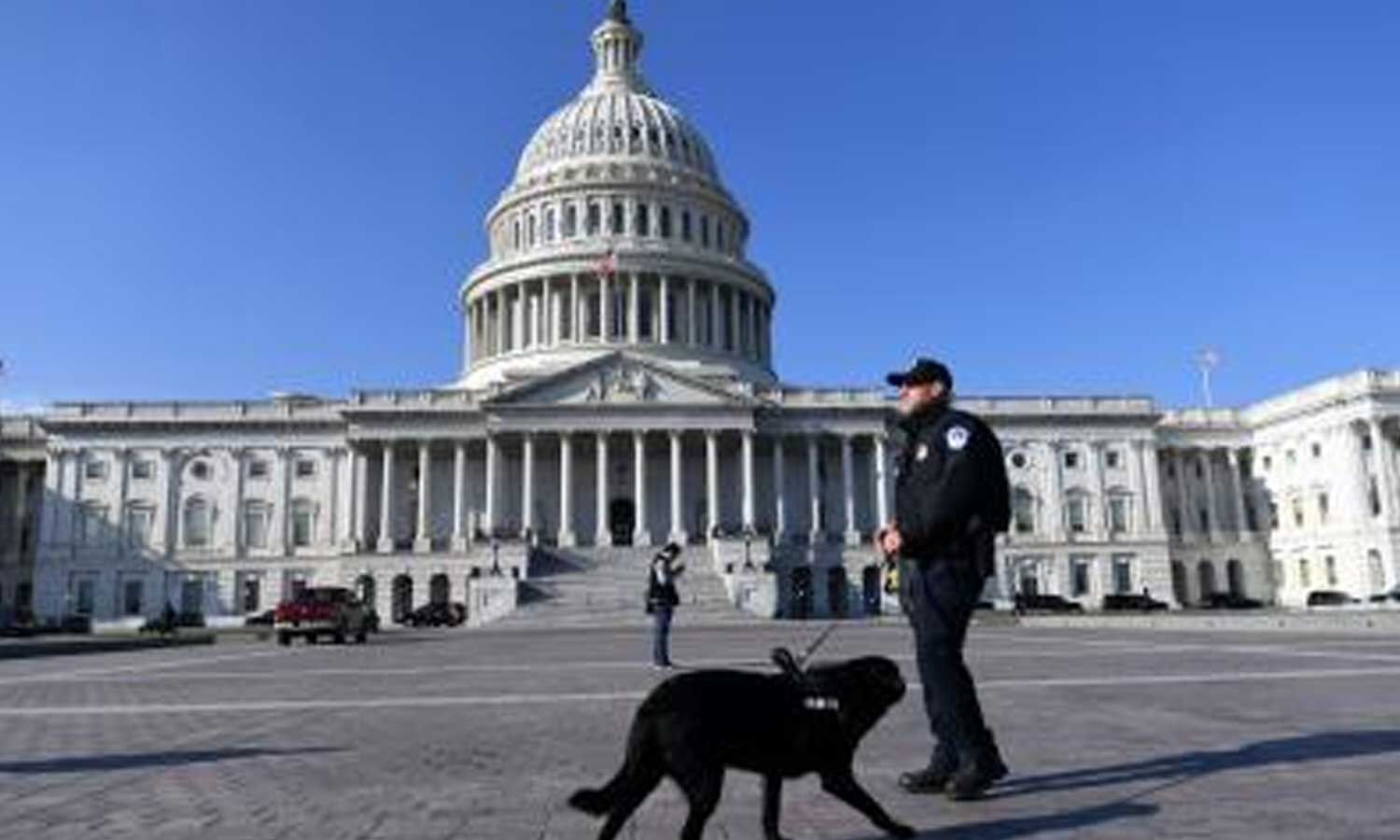
Congress returned to Washington with many issues to consider and very little time.
House lawmakers may leave after only one week to campaign for the November 3 elections.
The government already has funding through December 11, so lawmakers have fewer urgent bills to pass.
They may still work on cryptocurrency rules, sanctions, energy permits, surveillance powers and college-athlete compensation.
The Senate has already approved a Russia and Iran sanctions bill by a large majority.
Some House Democrats worry that the bill gives the president too much authority.
Senate Republicans also want to advance a cryptocurrency bill, but it may not have enough votes.
The election will decide which party controls the House and Senate for the final two years of the president’s term.

The House may remain in session for only one week before lawmakers campaign for the November 3 midterm elections.
The Senate has not yet secured agreement on several Republican priorities, including cryptocurrency regulation and college-athlete compensation.
A bipartisan sanctions bill targeting Russia and extending certain Iran sanctions passed the Senate 86-11 and awaits House action.
Senate Republicans plan a procedural vote on the Digital Asset Market Clarity Act, though supporters may lack the 60 votes needed to advance it.
All 435 House seats and roughly one-third of Senate seats will be contested in the midterm elections.
- Who
- The United States Congress, including House and Senate lawmakers, along with the Trump administration, is involved.
- What
- Lawmakers are trying to address a crowded legislative agenda before leaving Washington to campaign for the midterm elections.
- Where
- Washington, United States.
- When
- Congress returned on Monday; the House may leave as early as this week, ahead of the November 3 midterm elections.
- Why
- The legislative calendar is shortened by the approaching elections, requiring lawmakers to decide which priorities can advance before the recess.
Concerns and caution
Action and leadership
Russia and Iran sanctions
Concerns and caution
Some House Democrats argue that the sanctions bill gives the president too much authority.
Action and leadership
Supporters, including Senator Richard Blumenthal, say the compromise resulted from difficult negotiations and should be accepted.
Cryptocurrency legislation
Concerns and caution
Senate supporters may lack the 60 votes needed to advance the Digital Asset Market Clarity Act, despite changes requested by Democrats.
Action and leadership
Treasury Secretary Scott Bessent argues that passing the bill would preserve US leadership and provide stronger national-security tools against misuse of digital assets.
Energy and infrastructure permits
Concerns and caution
The shortened congressional calendar limits the time available to consider permitting changes.
Action and leadership
Senate Majority Leader John Thune says faster permitting is important for both energy policy and the national economy.
Key facts
- House schedule
- The House is expected to remain in session for only one week and could leave as early as this week.
- Government funding
- President Donald Trump signed legislation funding the federal government through December 11.
- Sanctions bill
- The Senate approved the bipartisan Russia and Iran sanctions bill by an 86-11 vote.
- Digital-assets vote
- The Senate is scheduled to hold a procedural vote on the Digital Asset Market Clarity Act on Tuesday.
- Required Senate threshold
- The cryptocurrency bill needs 60 votes to advance, and John Thune said supporters appeared short of that number.
- Election contests
- All 435 House seats and roughly one-third of Senate seats are contested in the midterm elections.
Quotes

Richard Blumenthal
Democratic US senator and principal Senate supporter of the sanctions bill
“Failing to do so would send a troubling signal to our allies and adversaries alike that America is unwilling to lead on the future of digital assets and willing to forgo enhanced national security tools to combat their misuse”
 thehansindia.com
“I think that’s enormously important, not just as an energy policy issue, but an economic policy issue for our country”
thehansindia.com
Sources
Related news

US Senate Republicans Unveil Final Cryptocurrency Market Bill

US House to Consider Russia Sanctions Bill Next Week

US Midterms Could Reshape Trump's Agenda Amid Economic Discontent
Ukraine lobbies House for Russia sanctions bill amid opposition