

1 month ago
Engineering Training Promotes Holistic Health and Population Stability

Engineers build things like clean water systems and toilets that keep people from getting sick.
They also make tools that help doctors reach faraway places.
Some engineers work with scientists to watch animals and the environment so diseases don’t jump to people.
They design buildings that stay safe during floods and storms.
All of this helps everyone stay healthy and live together peacefully.

Engineers design clean water, sanitation, and waste systems to cut disease spread.
Health Equity Engineering creates tools that reduce health gaps in marginalized communities.
The One Health approach links human, animal, and environmental health using biosensors, telehealth, and smart agriculture.
Sustainable engineering reduces pollution, supports climate resilience, and protects vulnerable populations.
Biomedical engineering delivers affordable devices, diagnostics, and telemedicine to improve access in remote areas.
- Who
- Engineers and interdisciplinary teams
- What
- Training and innovations that promote holistic health and population stability
- Where
- Global, especially underserved and vulnerable communities
- When
- Ongoing, no specific date
- Why
- To address health disparities, environmental challenges, and build resilient societies
Key facts
- Key Focus
- Engineering solutions for health equity and sustainability
- Main Frameworks
- Health Equity Engineering, One Health
- Infrastructure Types
- Water treatment, sanitation, waste management
- Health Technologies
- Biosensors, telehealth, AI diagnostics
- Target Outcomes
- Reduced disease spread, improved access, climate resilience
Sources
Related news
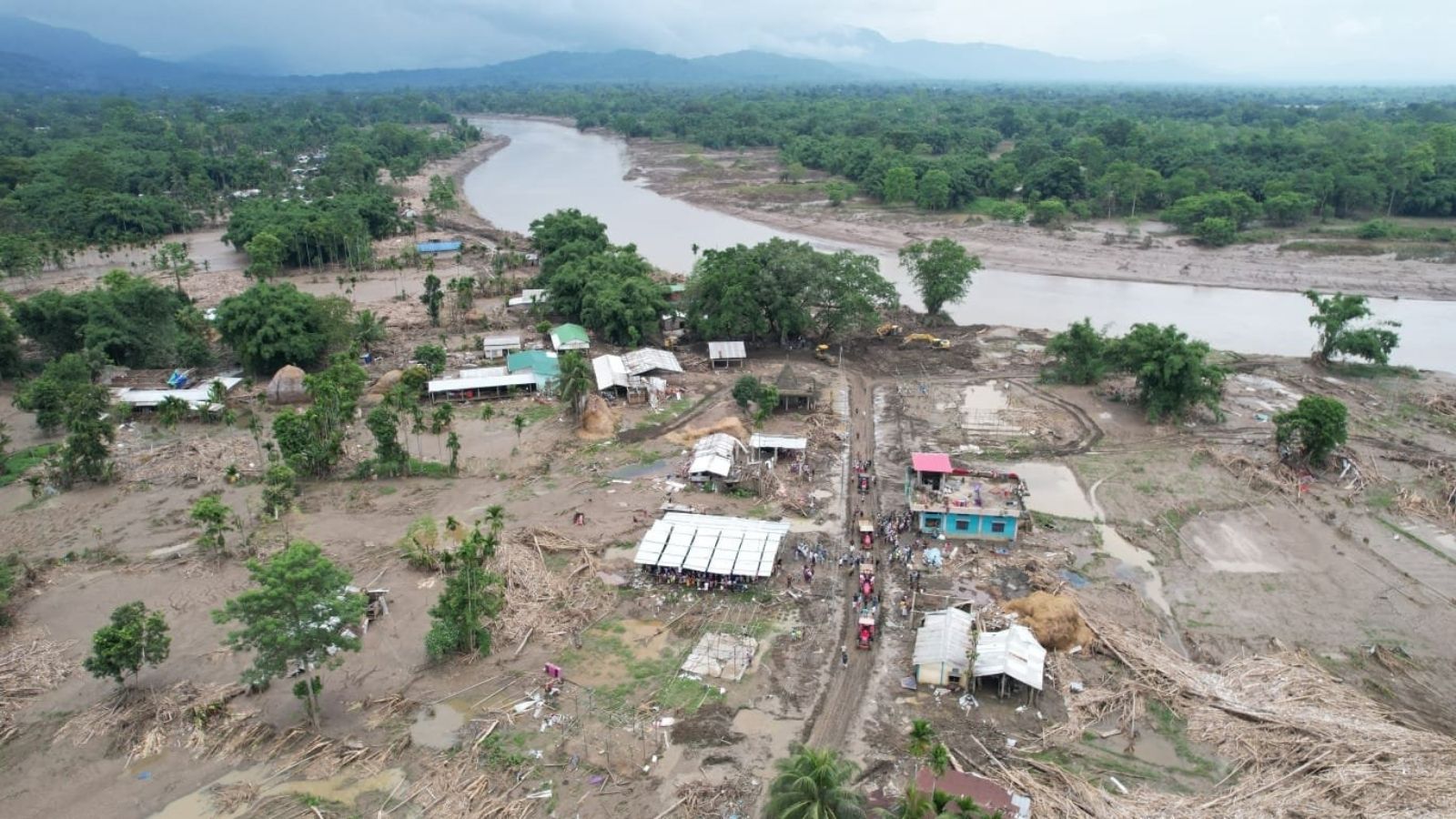
India’s Climate Resilience Depends on Its Health Workforce

Engineers of tomorrow must combine CS, AI and domain expertise
India's engineering education needs quality reset in AI era
IIT Kharagpur at 75: Director redefines IIT's purpose by 2047

Navrachana University Launches Centre for Public Health in Vadodara

IITs Expand AI and Emerging Technology Courses Across Engineering Disciplines

IIHM Launches Bengaluru Egg Bank For Sustained Student Nutrition Support

Murmu: India Remains World's Fastest-Growing Major Economy

Students Celebrate World Conservation Day Through SDG Exhibition

FCRA Amendment Bill 2026 Tightens India's Foreign Funding Rules
